Photographing a Doe Bobcat Showdown at Sequoyah NWR
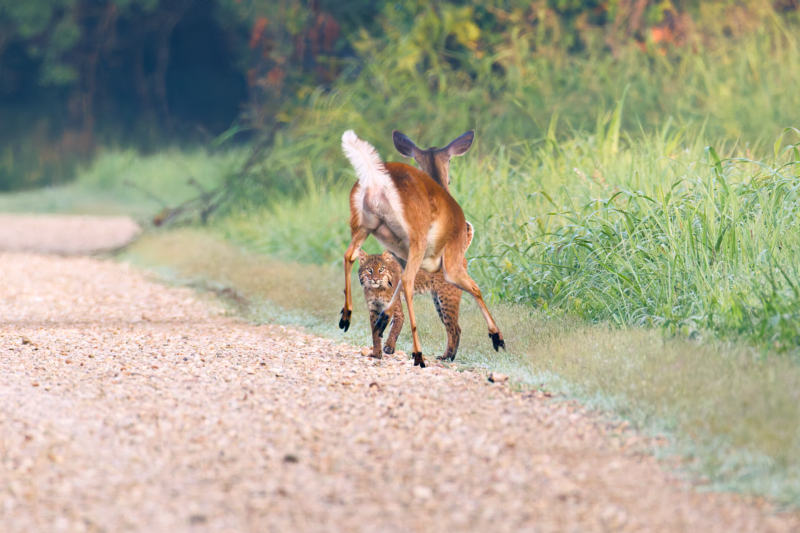
I photograph a tense wildlife moment at Sequoyah National Wildlife Refuge as a bobcat confronts a Whitetail doe along the auto tour road.
National Wildlife Refuges are crucial locations for my photography. I document the diverse species and habitats these areas protect. I capture the beauty of undisturbed ecosystems. I observe the behaviors of various wildlife within these refuges. I aim to show the importance of conservation and the preservation of natural spaces. Each refuge offers a unique glimpse into wild America.
I photograph a tense wildlife moment at Sequoyah National Wildlife Refuge as a bobcat confronts a Whitetail doe along the auto tour road.
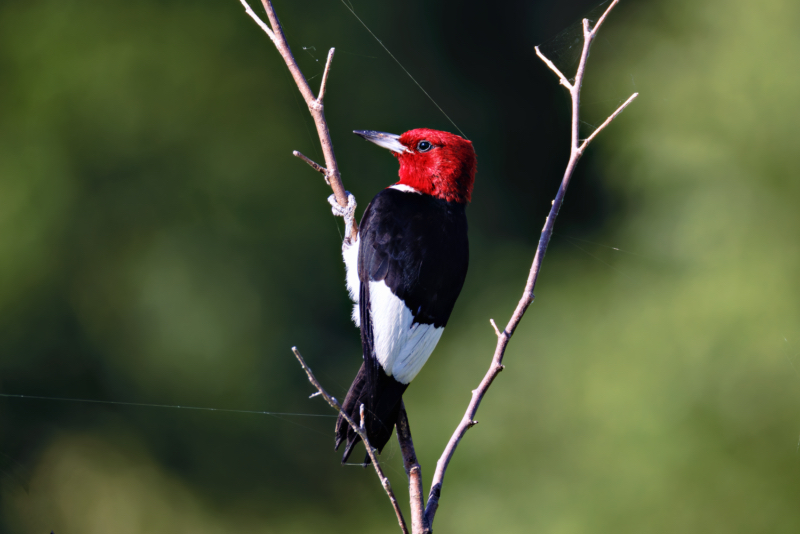
I spent a summer morning photographing Bald Eagles, Green Herons, and other wildlife at Sequoyah National Wildlife Refuge in Oklahoma.
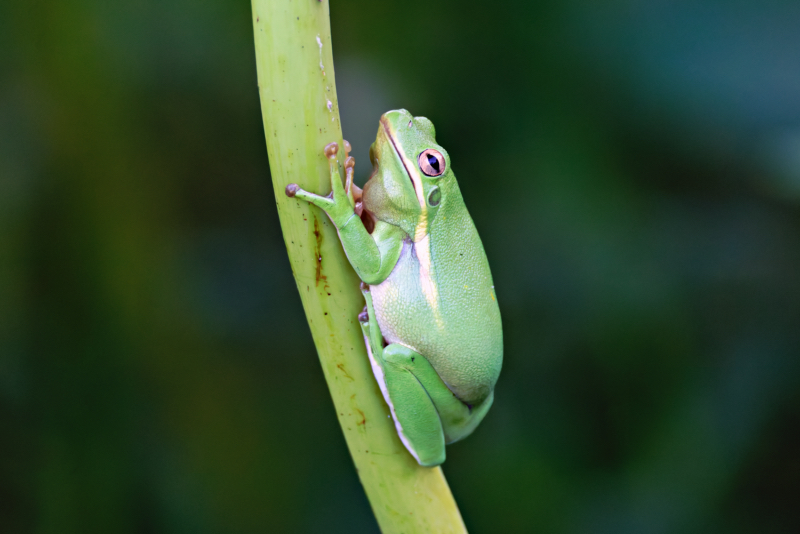
A Fourth of July visit to Sequoyah National Wildlife Refuge revealed whitetail fawns, Barred Owls, and several other wildlife surprises.
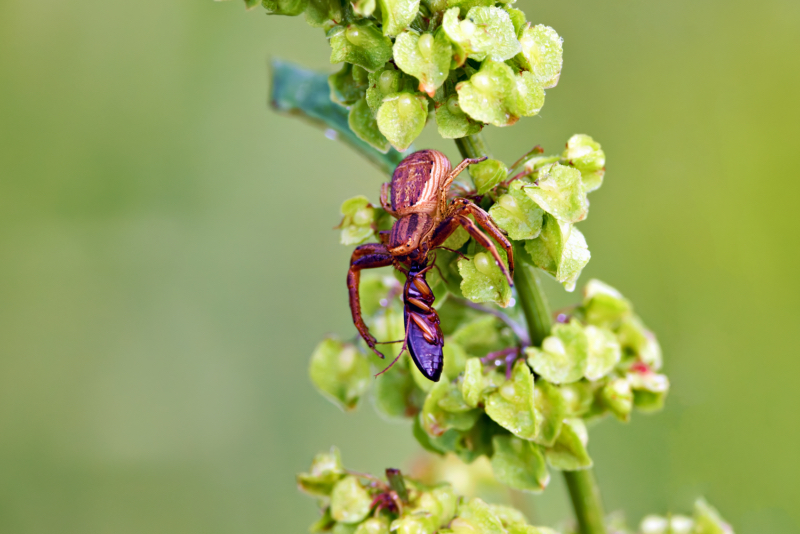
While exploring Sequoyah National Wildlife Refuge, I photographed a crab spider waiting in ambush on a flower.