Great Blue Heron Winter Adaptations
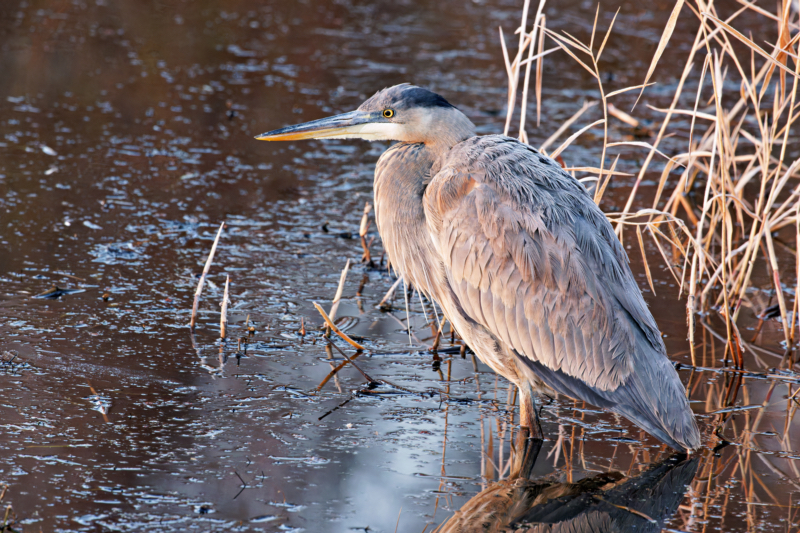
The physical and behavioral adaptations that allow Great Blue Herons to withstand freezing temperatures and still thrive.
Bird photography can be challenging. You need the right gear. A good camera and lens are key. Settings matter too. Fast shutter speeds help freeze motion. Learn how to adjust ISO and aperture. Techniques are important. Think about composition. Get close-ups. Try aerial shots. Capture birds in their habitat. Patience is needed. Birds move quickly. They can be hard to find. Study bird behavior. Know where they live. Understand their habits. This will help you get better photos.
The physical and behavioral adaptations that allow Great Blue Herons to withstand freezing temperatures and still thrive.

Close-up photos of a Great Blue Heron taken in early morning light, with observations on why herons use fishing piers at daybreak.
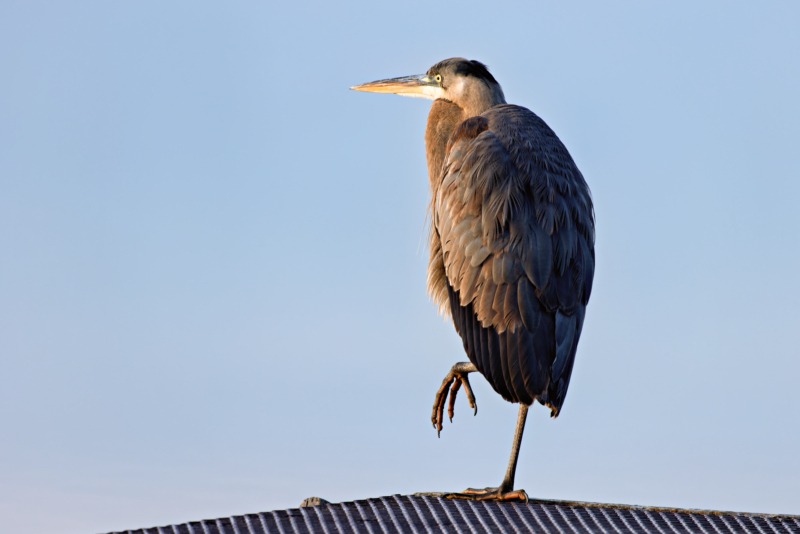
Why Great Blue Herons often stand on one leg, including heat conservation, resting behavior, and how this posture benefits long-legged birds.
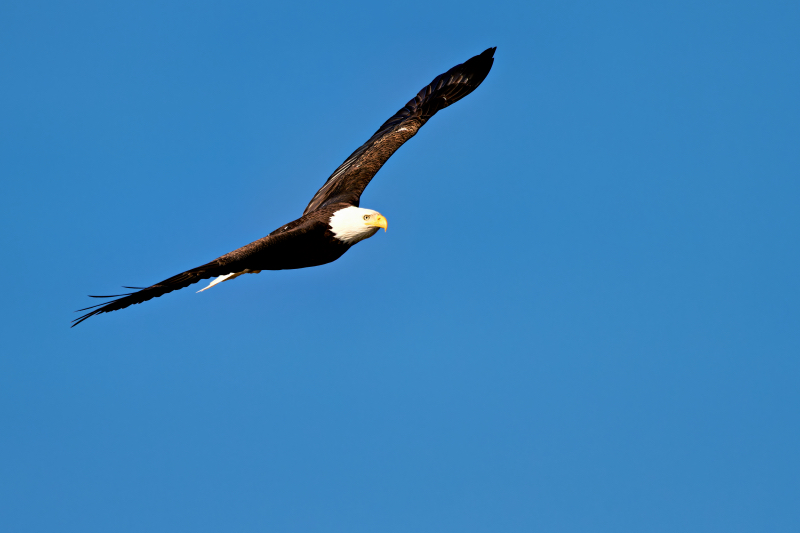
A wildlife photographer reflects on the significance of National Bird Day – appreciating birds and the importance of conservation.
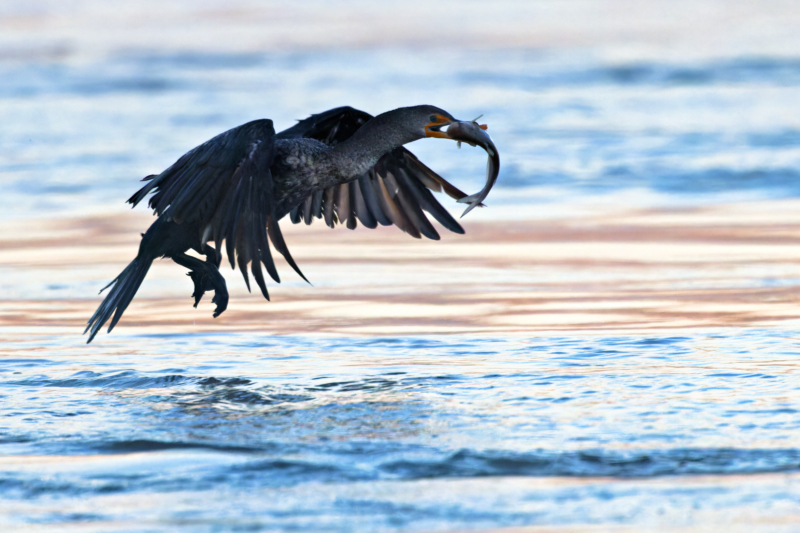
Cormorants have mastered the art of catching fish and taking brief flights while keeping their prey in perfect swallowing condition. Learn their secrets!

Why cormorants catch and release fish observed in the wild, with possible explanations based on behavior, prey size, and feeding efficiency.
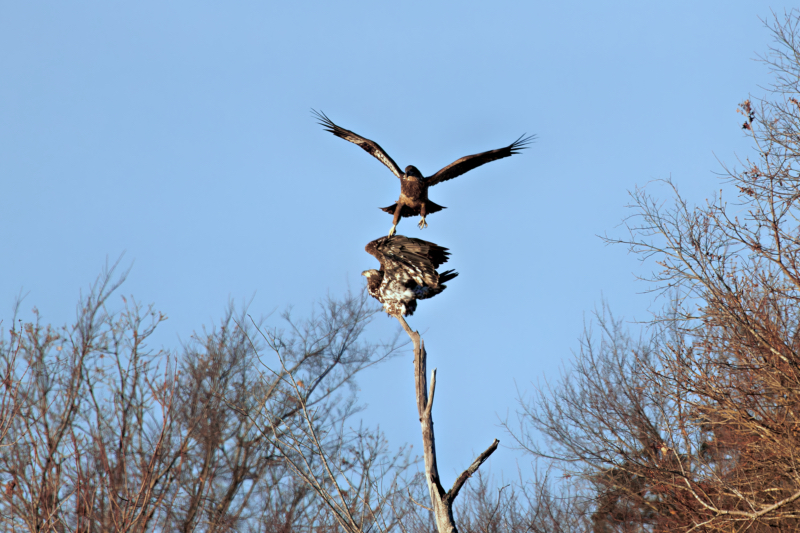
A firsthand look at two Bald Eagles disputing a perch tree at Charleston City Lake, with notes on territorial behavior and vocalizations.
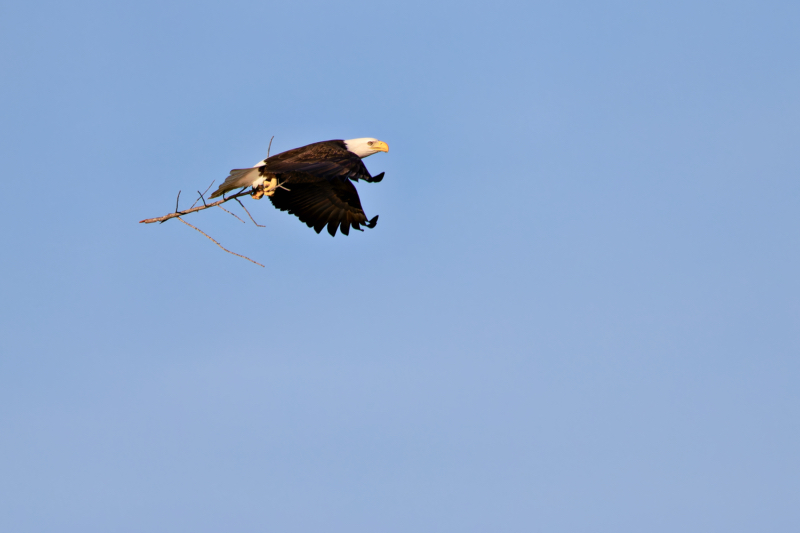
I photographed a mature Bald Eagle carrying nest materials at Charleston Lake in Arkansas and explain nesting behavior and timing.