Signs of Spring at Sequoyah National Wildlife Refuge
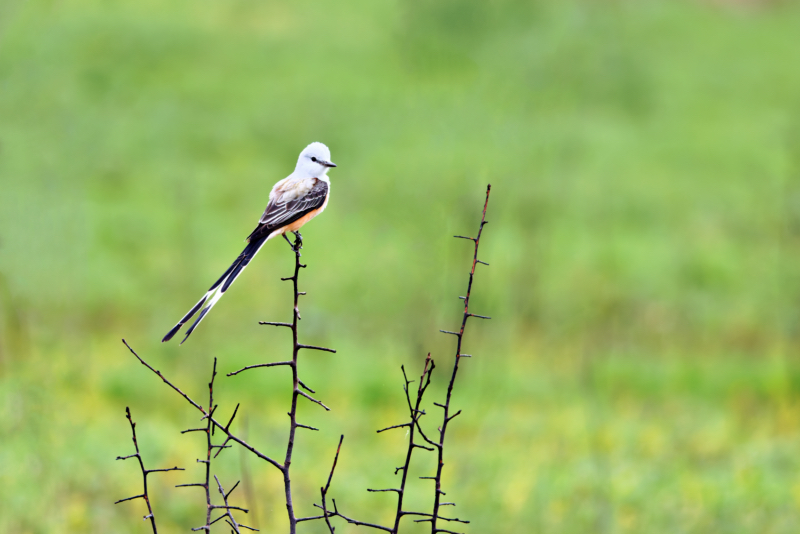
Signs of spring at Sequoyah refuge bring flycatchers, turtles, and snakes back to life as warmer weather returns to Oklahoma.
Bird photography can be challenging. You need the right gear. A good camera and lens are key. Settings matter too. Fast shutter speeds help freeze motion. Learn how to adjust ISO and aperture. Techniques are important. Think about composition. Get close-ups. Try aerial shots. Capture birds in their habitat. Patience is needed. Birds move quickly. They can be hard to find. Study bird behavior. Know where they live. Understand their habits. This will help you get better photos.
Signs of spring at Sequoyah refuge bring flycatchers, turtles, and snakes back to life as warmer weather returns to Oklahoma.
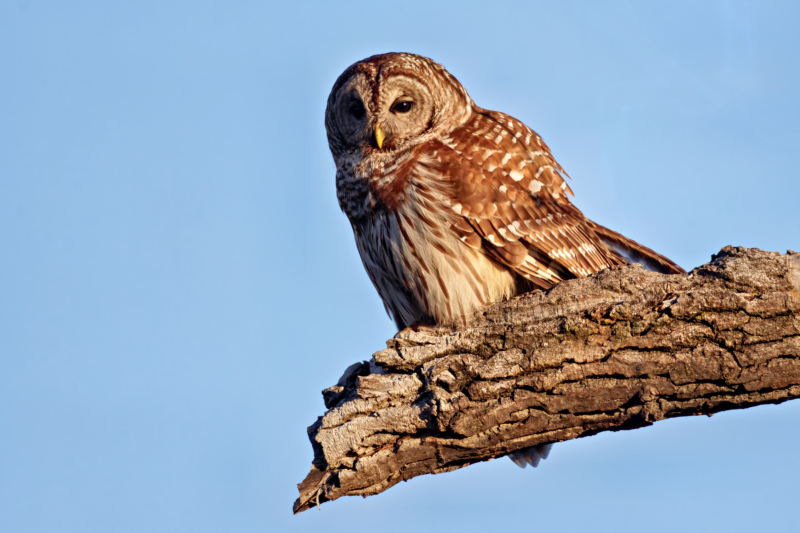
Learn about Barred Owl nesting season. Discover tips for spotting these birds at Sequoyah National Wildlife Refuge.
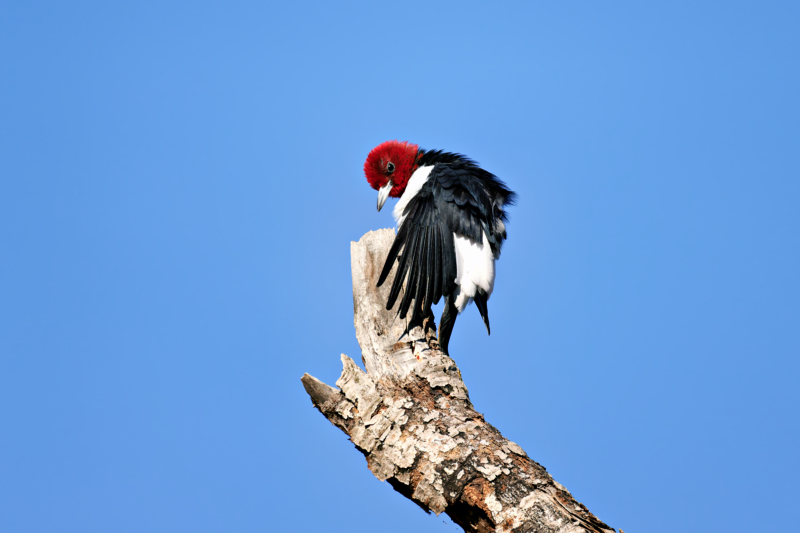
Red-headed Woodpecker sightings are up at Sequoyah NWR. Here’s why that matters, and the photo that made my day. Read more.
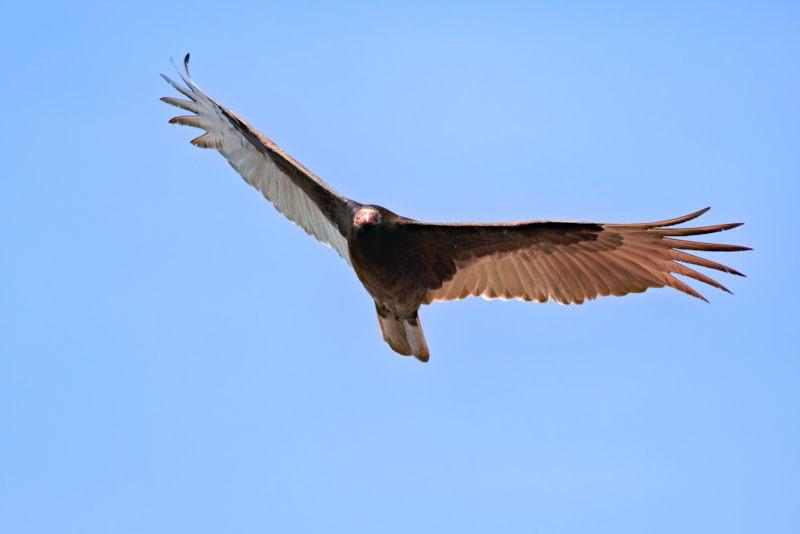
A close look at coyote and turkey vulture interactions, including defensive behavior and why coyotes keep their distance.
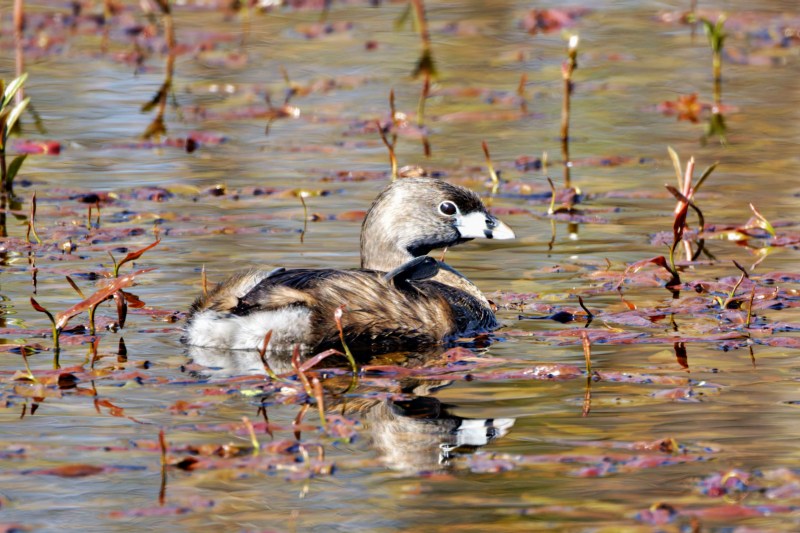
Pied-billed Grebe foot-shipping at Sequoyah Refuge shows a quiet warming behavior and a close look at this small waterbird.
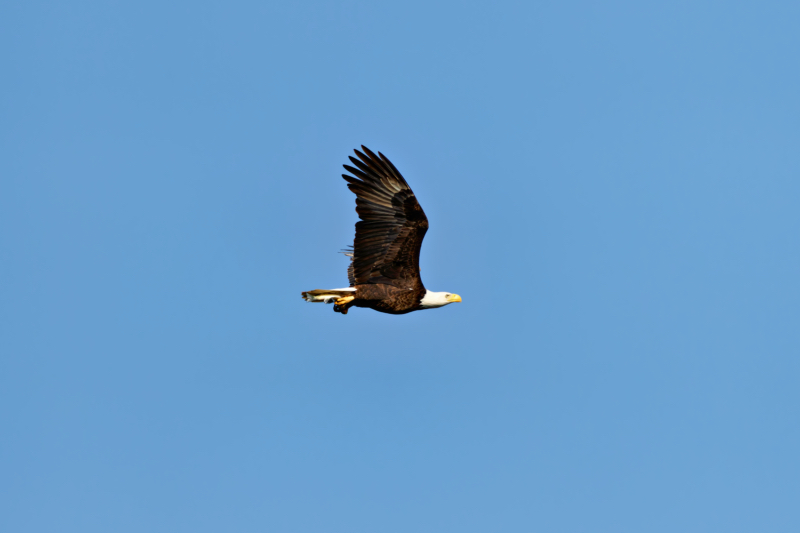
A bald eagle delivers a freshly caught fish at Sequoyah refuge, showing the strength and precision of this iconic bird.
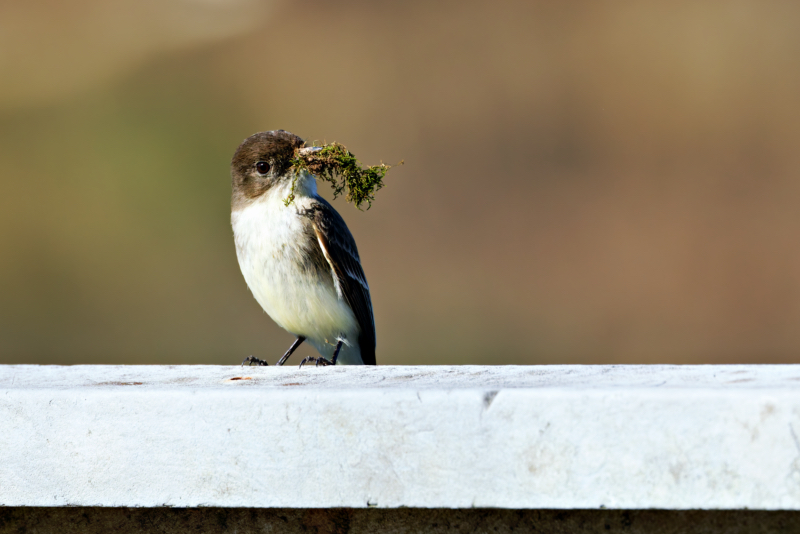
Eastern phoebe building a nest at Sequoyah National Wildlife Refuge, carrying moss under a fishing pier in early spring.
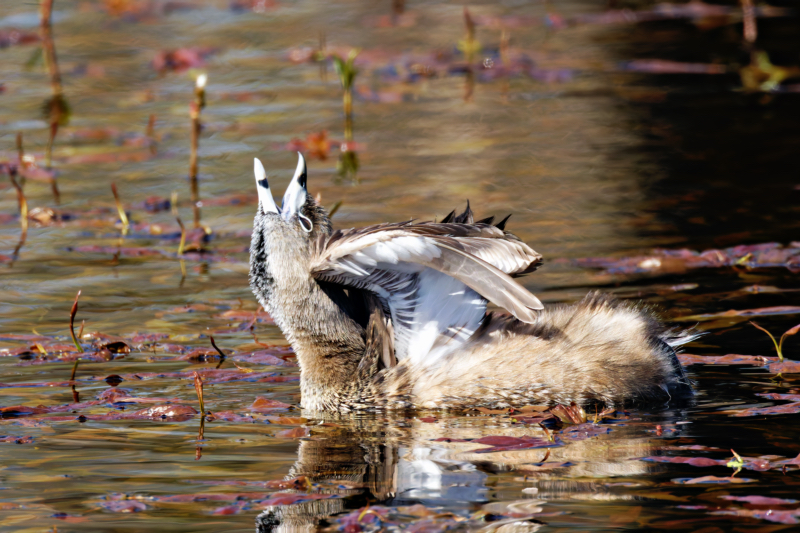
I spotted this Pied-billed Grebe doing something odd at Sequoyah NWR. A look at grebe behavior and what that strange pose might mean.