Identifying a Mysterious Hawk – Red-tailed or Krider’s?
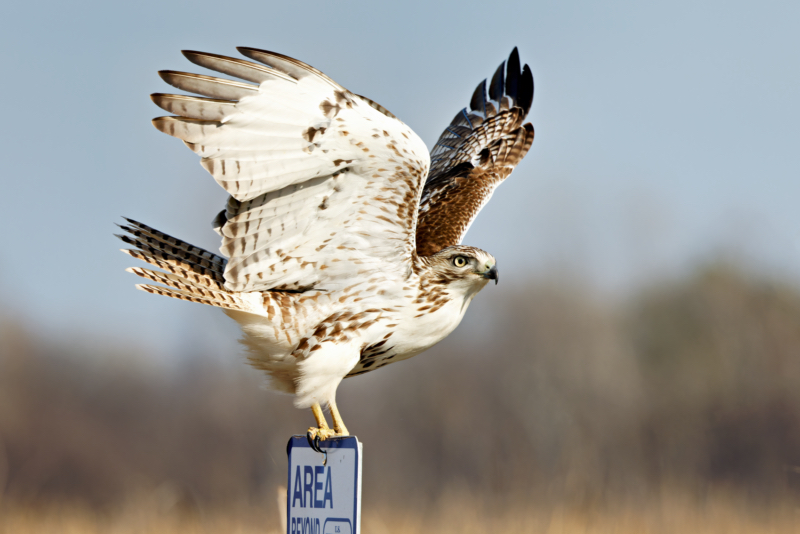
Join me in unraveling the identity of a mysterious hawk photographed at an Oklahoma wildlife refuge – is it a Red-tailed, Krider’s or hybrid?
Bird photography can be challenging. You need the right gear. A good camera and lens are key. Settings matter too. Fast shutter speeds help freeze motion. Learn how to adjust ISO and aperture. Techniques are important. Think about composition. Get close-ups. Try aerial shots. Capture birds in their habitat. Patience is needed. Birds move quickly. They can be hard to find. Study bird behavior. Know where they live. Understand their habits. This will help you get better photos.
Join me in unraveling the identity of a mysterious hawk photographed at an Oklahoma wildlife refuge – is it a Red-tailed, Krider’s or hybrid?

A Red-tailed Hawk at the Sequoyah National Wildlife Refuge sparks intrigue with its ground search. Was it hunting frogs or something else?
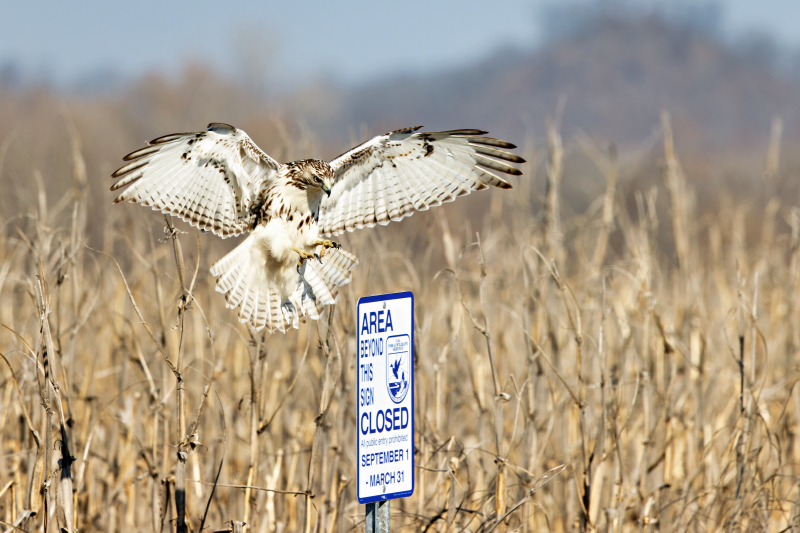
Witnessing the artful landing of a Red-tailed hawk, including details of its graceful maneuvers and talon extension as it alighted on a sign.

I photographed a female Northern Cardinal standing on a frosty post and discussing techniques for minimizing busy backgrounds.
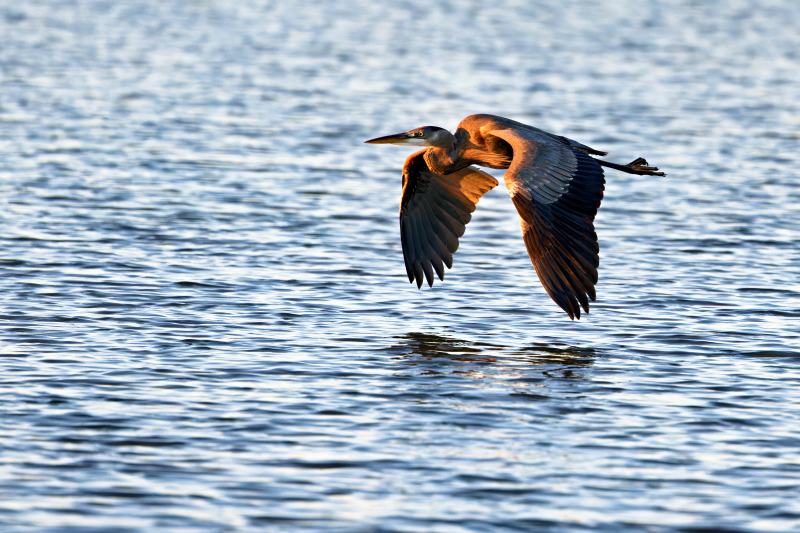
The beauty and elegance of watching a Great Blue Heron during sunrise by a lake, appreciating nature and the patterns of life.
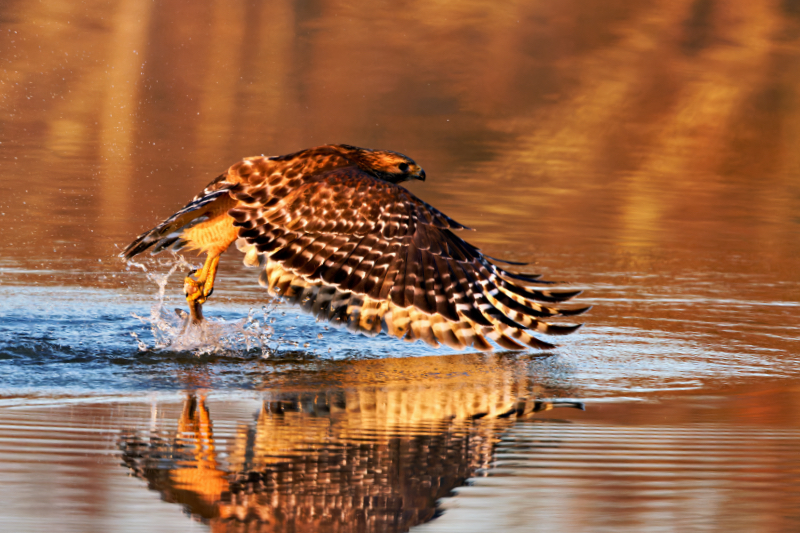
Red-shouldered Hawk Fishing at Charleston Lake as I photograph a rare moment of the hawk lifting a fish directly from the water.

Bald Eagle Flight Behavior explained through field observation, including soaring, diving speed, wingspan, and how eagles use air currents.

Watch how a Tufted Titmouse cracks sunflower seeds using its feet and beak, and learn why these seeds matter in winter.