Strange Behavior Of A Immature Red-tailed Hawk

I watched a young Red-tailed Hawk at Sequoyah National Wildlife Refuge practicing mock attacks on a tree limb. See the photos and learn why.
Bird photography can be challenging. You need the right gear. A good camera and lens are key. Settings matter too. Fast shutter speeds help freeze motion. Learn how to adjust ISO and aperture. Techniques are important. Think about composition. Get close-ups. Try aerial shots. Capture birds in their habitat. Patience is needed. Birds move quickly. They can be hard to find. Study bird behavior. Know where they live. Understand their habits. This will help you get better photos.
I watched a young Red-tailed Hawk at Sequoyah National Wildlife Refuge practicing mock attacks on a tree limb. See the photos and learn why.

On Leap Day, I reflect on the unexpected moments in nature and how wildlife photography rewards patience and observation.

Learn about the typical Eastern Bluebird nesting timeline in Arkansas and the role of conservation efforts like nest boxes.

Learn why providing fresh water for backyard birds in winter matters and how a simple birdbath can help birds survive cold weather.
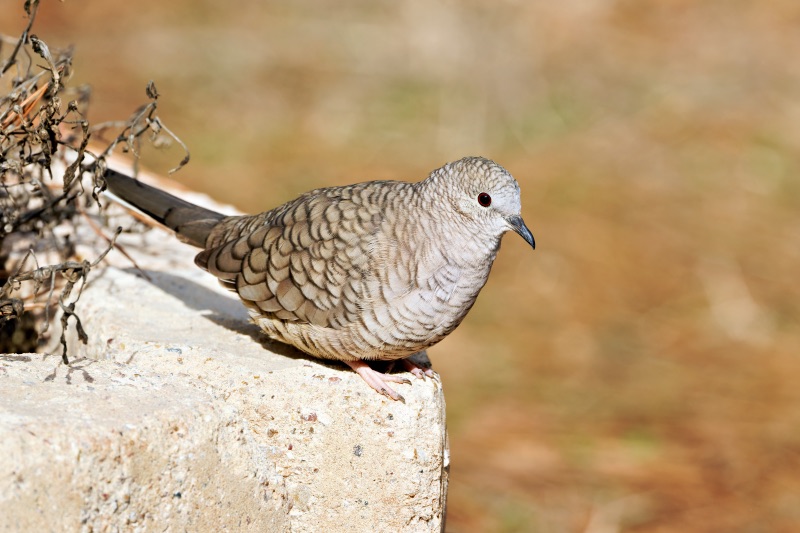
A visit from four Inca Doves in my yard in Arkansas, with facts about their range, habitat, appearance, behavior, and conservation status.

Pine Warbler, a suet-loving songbird thriving in Arkansas’ pine forests. Learn about their habitat, diet, and remarkable breeding habits.
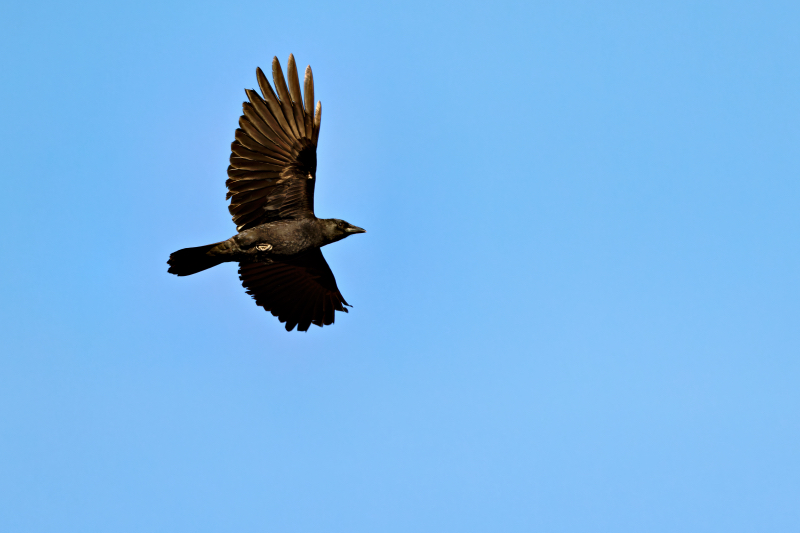
American crow intelligence shows up in flight, family life, and sharp calls. Here’s how I photographed one at Sequoyah NWR. Take a look.

Warm winter surprises Snow Geese at Sequoyah Refuge! Will they delay their migration? Explore the reasons behind their fascinating journey.