
Why Whitetail Deer Have Chin Whiskers
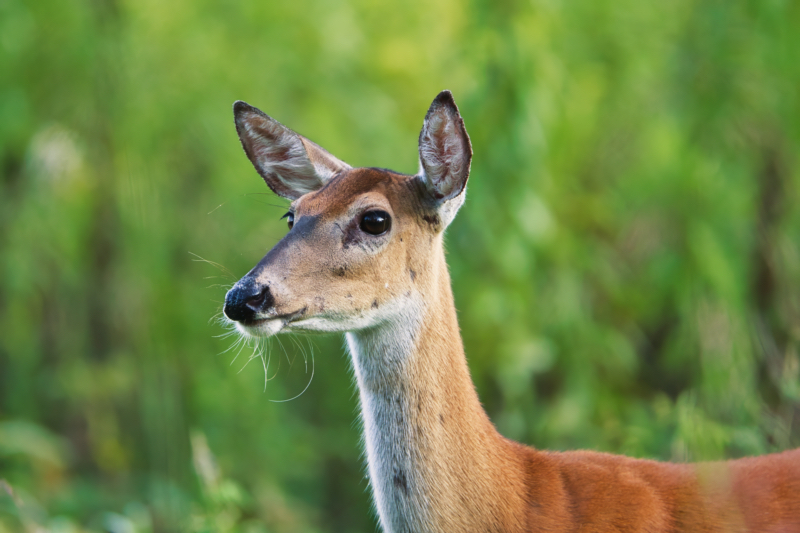
A wildlife photographer describes how he captured a close-up image of a whitetail doe’s chin whiskers, explaining their sensory purpose.
A wildlife photographer describes how he captured a close-up image of a whitetail doe’s chin whiskers, explaining their sensory purpose.
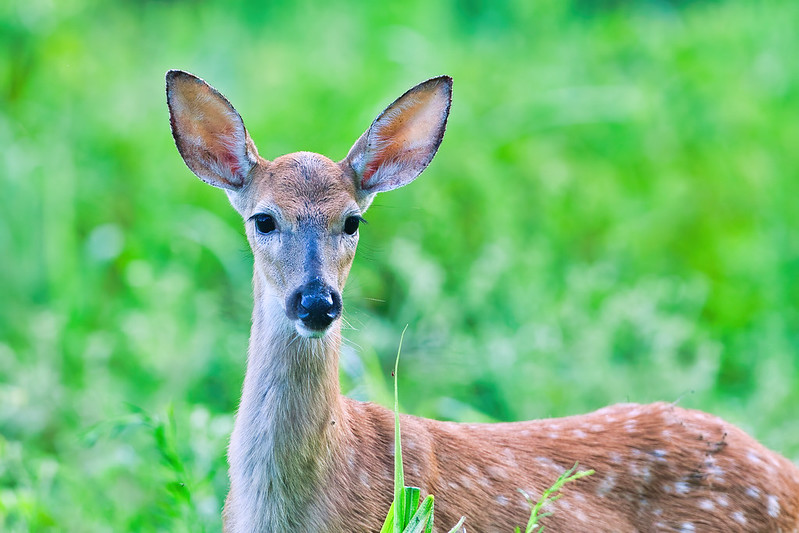
A wildlife photographer’s blog post about getting a closeup shot of a white-tailed deer fawn at the Sequoyah NWR in Oklahoma back in 2009 versus now.

This Doe began feeding on the side of the road, completely unfazed by my presence. The doe was so close that I had to back up in order to capture a photo.
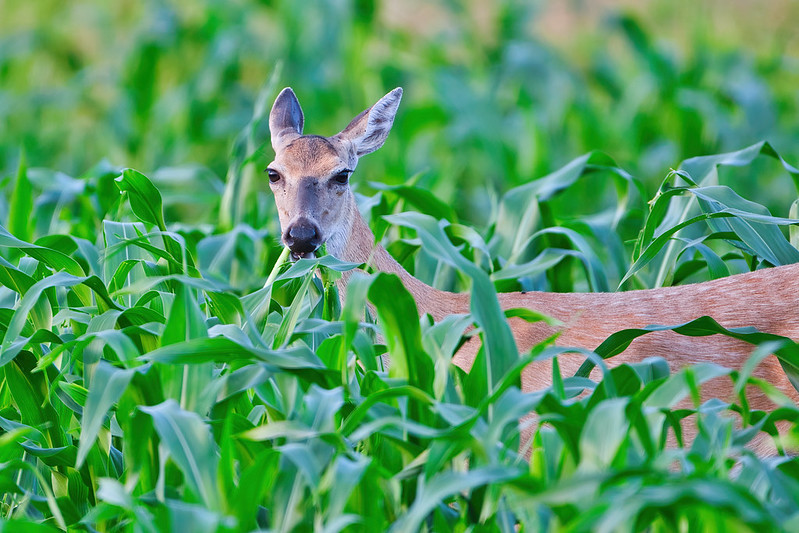
I was thrilled to come across this Doe feeding in a cornfield at the Sequoyah National Wildlife Refuge in Oklahoma. The corn was over head high and the Doe…
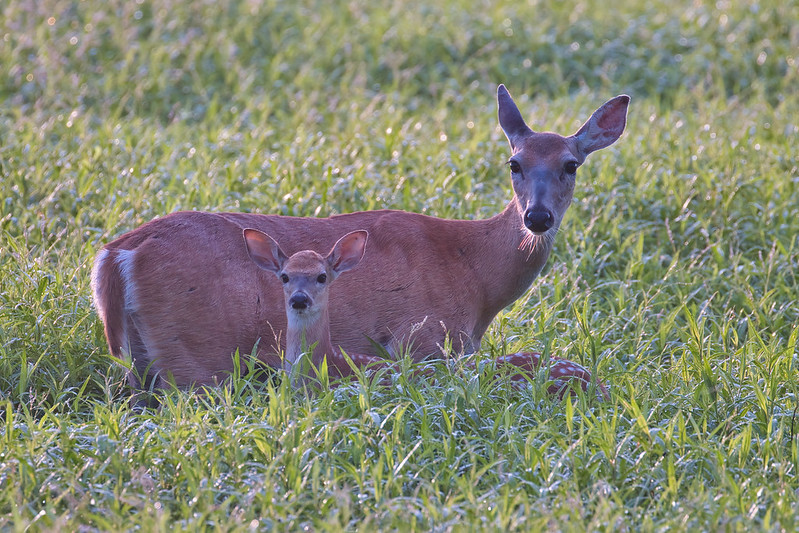
White-tailed Fawns Growing fast at Sequoyah National Wildlife Refuge as I photograph a doe and fawn near Shug’s Pond in summer.

I was lucky to spot this Whitetail Fawn crossing the road at Fort Chaffee. The Doe had already gone across, but then the fawn came out of the brush and decided
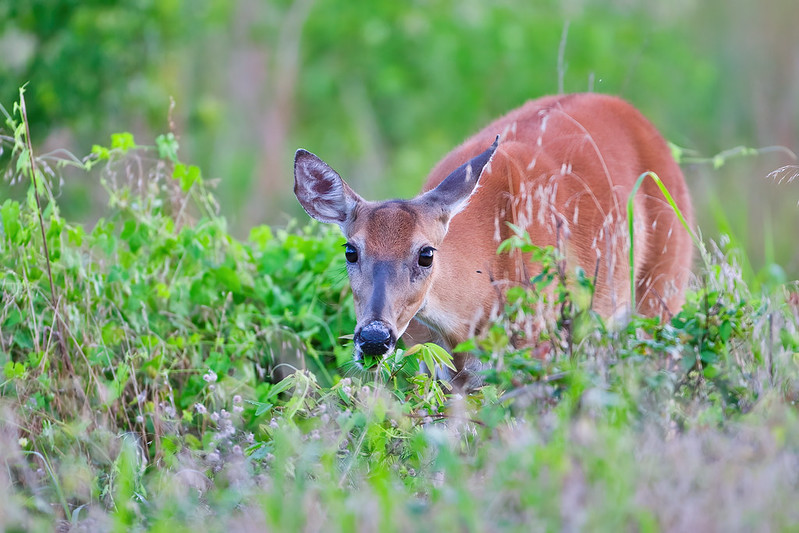
I came across a Whitetail Doe feeding on some vegetation. As I approached, I noticed that the deer was intently watching me while it continued to eat.

I watched this Whitetail Doe and Fawn for almost two weeks. I noticed the Fawn has something wrong with its mouth and nose. I researched what this could be and the information I found wasn’t very positive for the survival of the Fawn. Another dangerous thing for this Fawn is a Coyote I see in … Read more