Great Blue Heron Taking Off From Deep Water

Great Blue Heron takeoff from deep water at Charleston Lake, Arkansas, plus my settings and truck-window setup. See the full sequence.
Bird photography can be challenging. You need the right gear. A good camera and lens are key. Settings matter too. Fast shutter speeds help freeze motion. Learn how to adjust ISO and aperture. Techniques are important. Think about composition. Get close-ups. Try aerial shots. Capture birds in their habitat. Patience is needed. Birds move quickly. They can be hard to find. Study bird behavior. Know where they live. Understand their habits. This will help you get better photos.
Great Blue Heron takeoff from deep water at Charleston Lake, Arkansas, plus my settings and truck-window setup. See the full sequence.
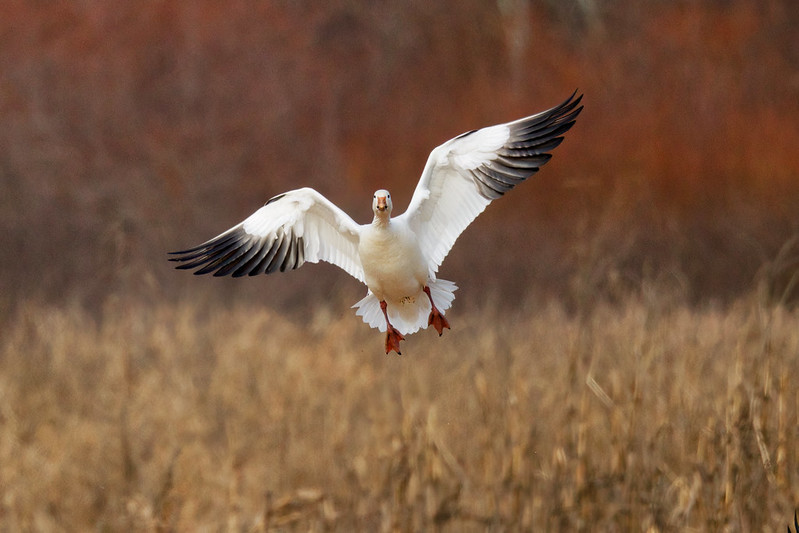
Snow goose landing at Sequoyah Refuge, Oklahoma. What I saw, what it means, and how I shot it. See the photo and notes.
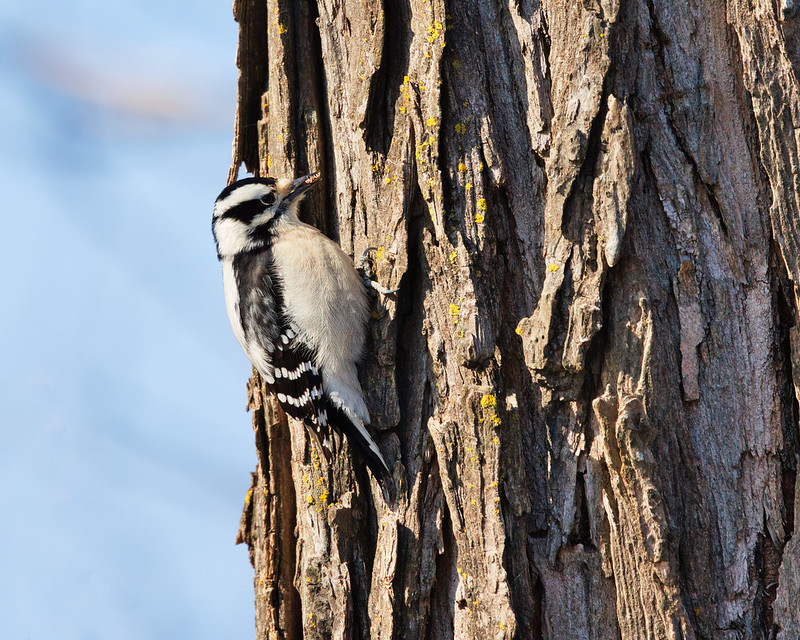
Downy woodpecker beetle moment at Sequoyah NWR, plus what I watched and how I shot it with my long lens. See the photo and notes.

The American Black Vulture’s vital role in nature, its unique features, and its behavior through an up-close encounter in Oklahoma.
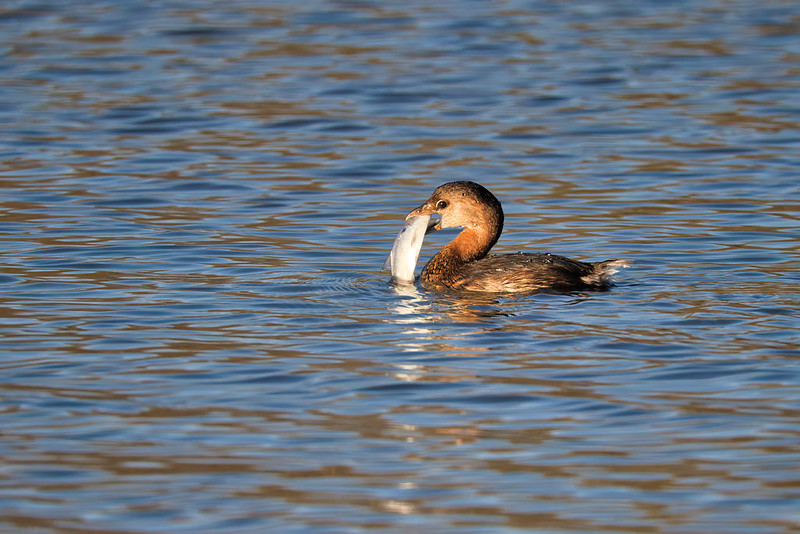
A Pied-billed Grebe handles and swallows a shad at Charleston Lake in Arkansas, showing how this small diving bird manages its prey.

Winter flocks of Red-winged blackbirds in flight sweep across Sequoyah National Wildlife Refuge during the non-breeding season.
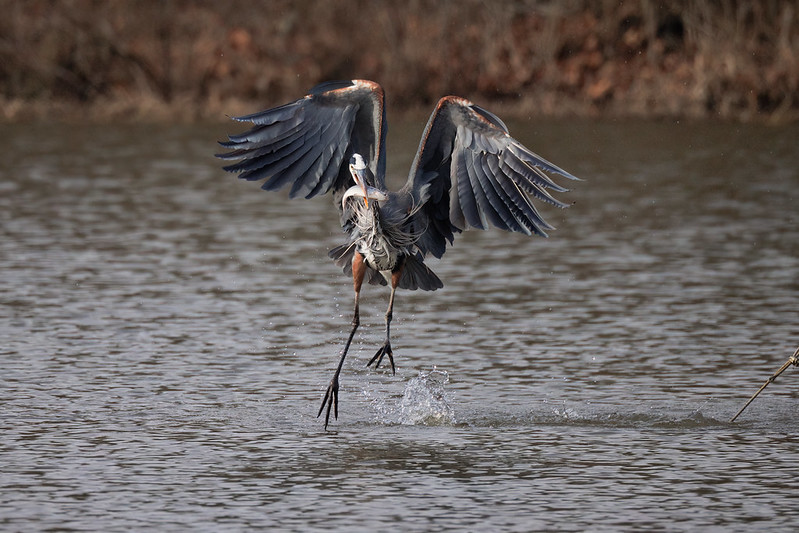
Heron flying with shad at Charleston City Lake, Arkansas. See the action, plus my gear and settings. Take a look at the photos.
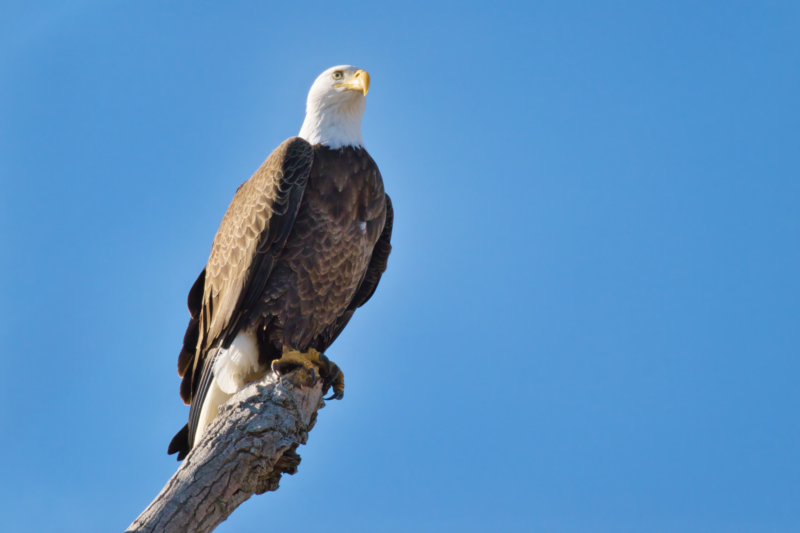
Bald Eagle perched high at Sequoyah NWR, its posture reminded me of a vintage hood ornament. See the photo and my settings.