Great Blue Heron With Wingtip Touching Water

I photographed this Great Blue Heron With Wingtip Touching Water while I was at the Charleston City Lake in Charleston, Arkansas.
Bird photography can be challenging. You need the right gear. A good camera and lens are key. Settings matter too. Fast shutter speeds help freeze motion. Learn how to adjust ISO and aperture. Techniques are important. Think about composition. Get close-ups. Try aerial shots. Capture birds in their habitat. Patience is needed. Birds move quickly. They can be hard to find. Study bird behavior. Know where they live. Understand their habits. This will help you get better photos.
I photographed this Great Blue Heron With Wingtip Touching Water while I was at the Charleston City Lake in Charleston, Arkansas.

Great Blue Heron fishing technique: diving headfirst from a platform to catch fish. Learn more about this bird’s impressive adaptability.
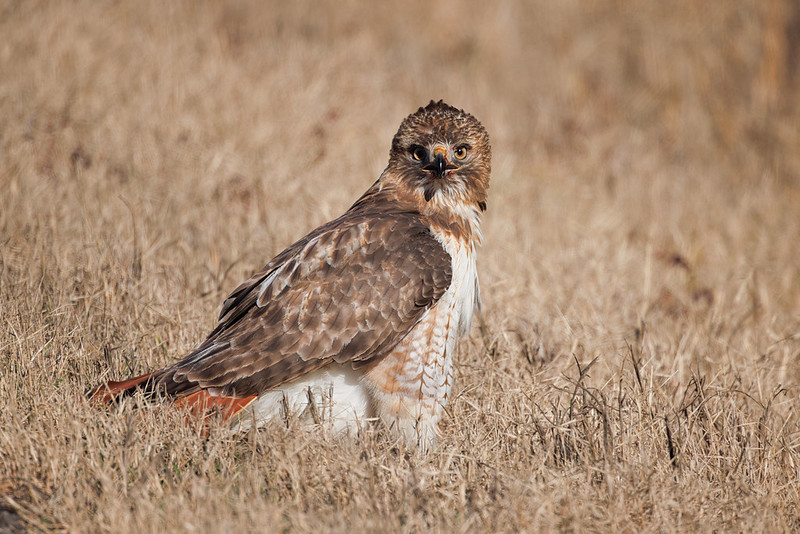
A Red-tailed Hawk stood in roadside grass near Sequoyah National Wildlife Refuge while feeding, giving me a brief chance to photograph it.

I photographed this Juvenile Northern Harrier after it made an American Kestrel leave its perch at Sequoyah National Wildlife Refuge.

I photographed an American Kestrel at dawn in Oklahoma with its wings spread while grooming at Sequoyah National Wildlife Refuge.
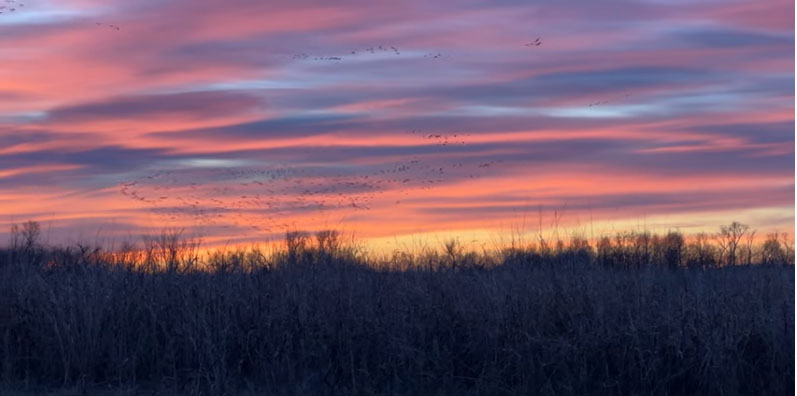
Sunrise at Sequoyah brought in waves of Snow Geese. I watched the light build and the flocks settle into the fields on a calm winter morning.
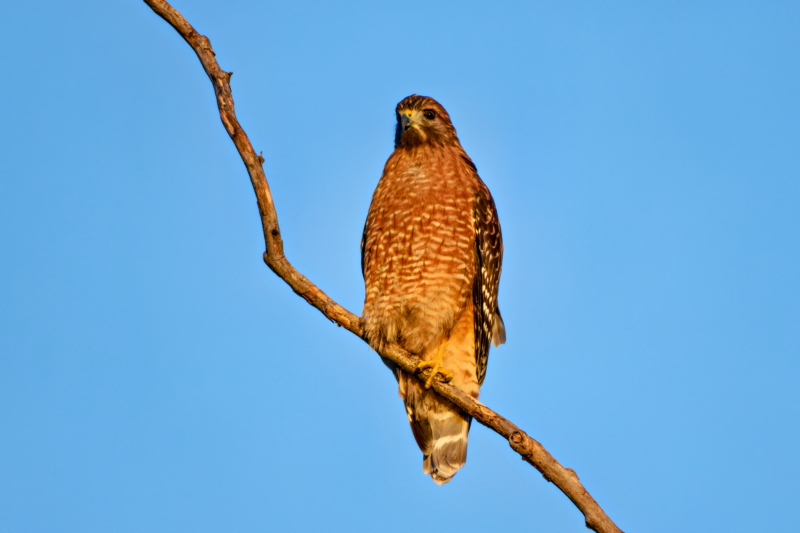
A red-shouldered hawk perches above the auto tour road at Sequoyah National Wildlife Refuge in soft morning light.
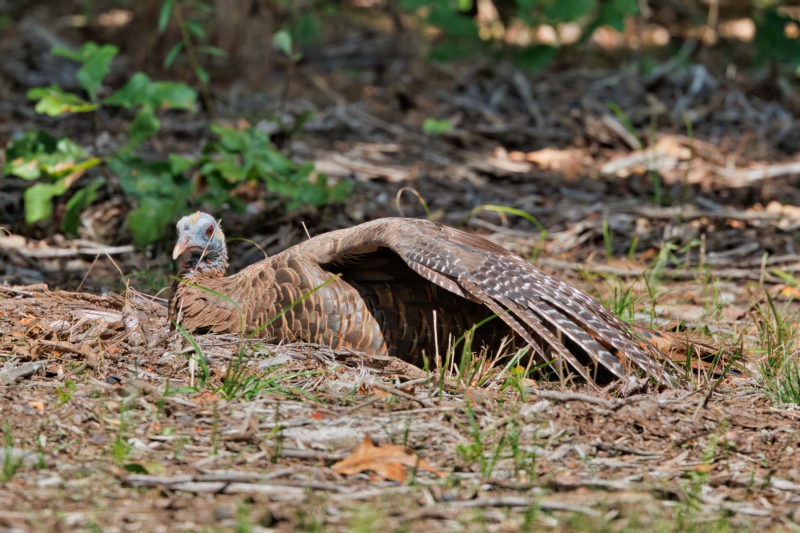
Photos of a wild turkey hen taking a dirt bath in Arkansas near the Ouachita National Forest. Learn interesting facts about this grooming behavior.