
The Carolina Chickadee in My Arkansas Backyard

The Carolina Chickadee is a true gem of the avian world, and I feel incredibly fortunate to have had the opportunity to photograph it in my own backyard.
Bird photography can be challenging. You need the right gear. A good camera and lens are key. Settings matter too. Fast shutter speeds help freeze motion. Learn how to adjust ISO and aperture. Techniques are important. Think about composition. Get close-ups. Try aerial shots. Capture birds in their habitat. Patience is needed. Birds move quickly. They can be hard to find. Study bird behavior. Know where they live. Understand their habits. This will help you get better photos.
The Carolina Chickadee is a true gem of the avian world, and I feel incredibly fortunate to have had the opportunity to photograph it in my own backyard.

I photographed this Rock Wren at Antelope Island State Park in Utah. The Rock Wren is native to western North America and is found in rocky, arid habitats…
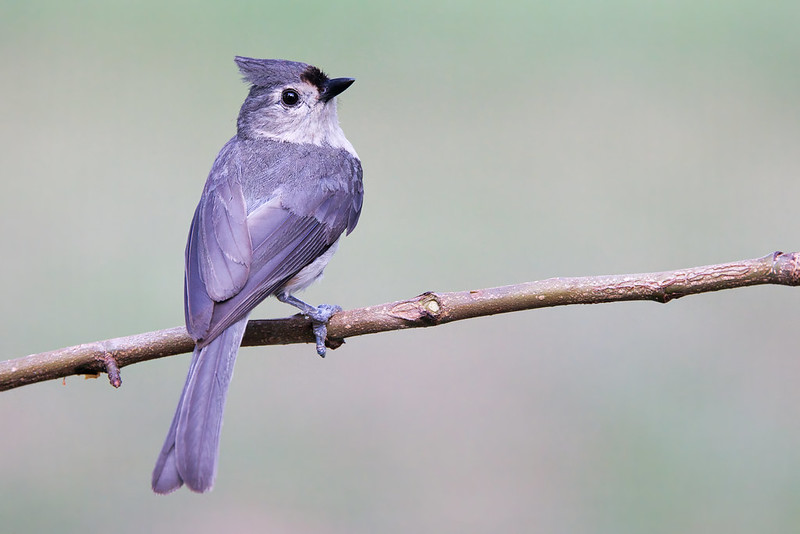
Experience the charm of the Tufted Titmouse in my Arkansas backyard. Discover their acrobatics, distinctive crests, and melodic calls.

Spotting the brilliant, golden-yellow Prothonotary Warbler at Oklahoma’s Sequoyah National Wildlife Refuge is a highlight for any visitor.

I captured a remarkable moment as I observed a majestic Great Egret with a tadpole in its beak. This encounter was at the Sequoyah National Wildlife Refuge…

Painted Buntings are difficult to photograph. With their cautious nature and elusive behavior, they often remain hidden, requiring a keen eye and patients.
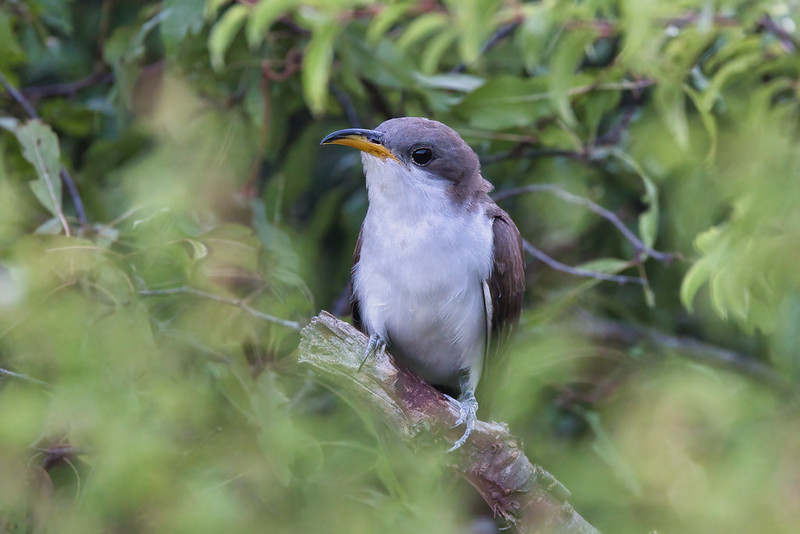
In a plum thicket, I spied a Yellow-billed Cuckoo, a bird that is both challenging to find and a delight to observe in its natural habitat.

Wildlife photographer captures a portrait of a Yellow-crowned Night-Heron at the Sequoyah National Wildlife Refuge using a Canon EOS R5 camera and 800mm lens.