The Piercing Cries of the Bald Eagle
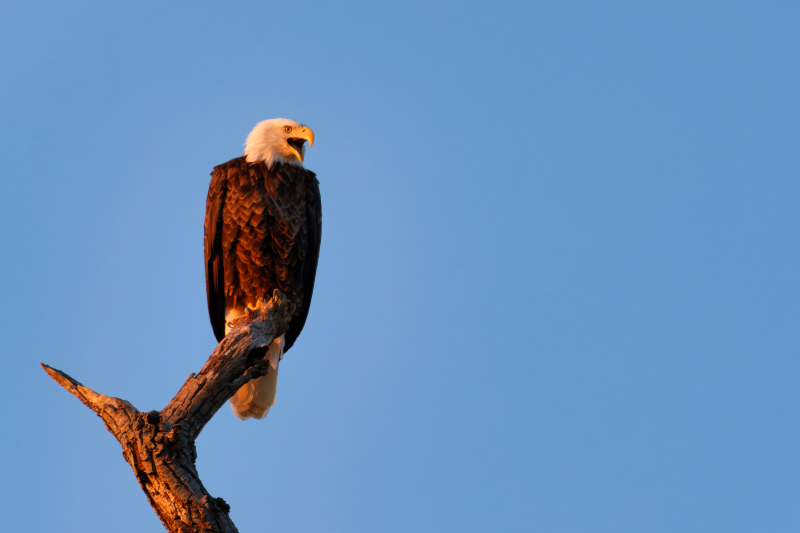
I photographed a Bald Eagle calling from a riverside perch at Sequoyah National Wildlife Refuge in Oklahoma on a clear autumn morning.
Bird photography can be challenging. You need the right gear. A good camera and lens are key. Settings matter too. Fast shutter speeds help freeze motion. Learn how to adjust ISO and aperture. Techniques are important. Think about composition. Get close-ups. Try aerial shots. Capture birds in their habitat. Patience is needed. Birds move quickly. They can be hard to find. Study bird behavior. Know where they live. Understand their habits. This will help you get better photos.
I photographed a Bald Eagle calling from a riverside perch at Sequoyah National Wildlife Refuge in Oklahoma on a clear autumn morning.

A wildlife photography blog post about photographing a Northern Harrier hawk at the Sequoyah National Wildlife Refuge in Oklahoma.

A nature photography blog post describing and showing images of a Northern Shoveler duck feeding on duckweed at an Oklahoma wildlife refuge.

Wildlife photographer Steve Creek recounts spotting and photographing a Barred Owl at sunrise during a morning hike at Torraine Lake in Fort Smith, Arkansas.
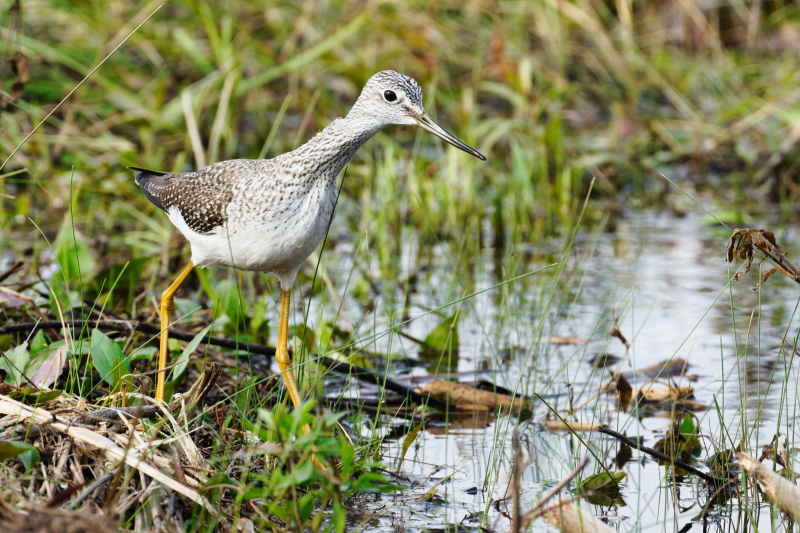
I photographed Greater Yellowlegs wading at Sequoyah National Wildlife Refuge in Oklahoma. Read my Wildlife and Photography Notes.

Close-up encounter with well-hidden Wilson’s Snipes at Sequoyah National Wildlife Refuge made for a rare and rewarding morning.
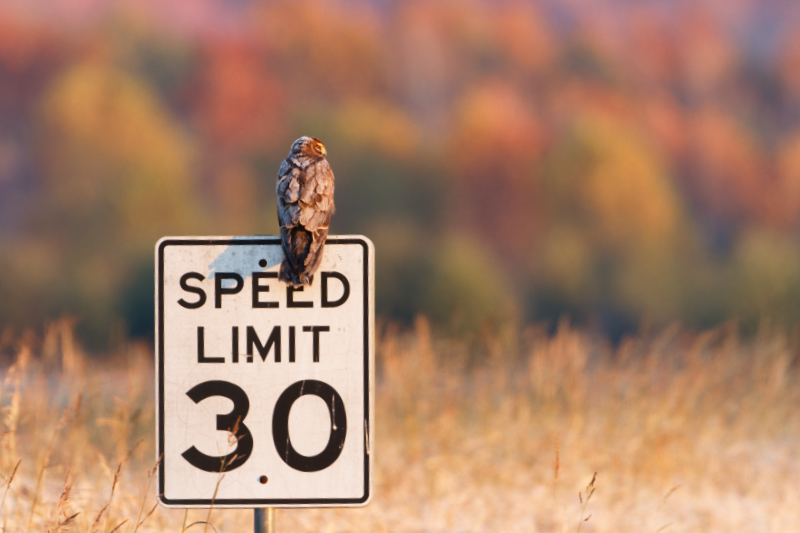
See how birds cope with cold as I photograph a Northern Harrier covered in frost on a cold November morning.

A wildlife photographer looks at why bird names are changing and how inclusivity and accuracy play a role in the updates.