American White Pelican Playing With Object
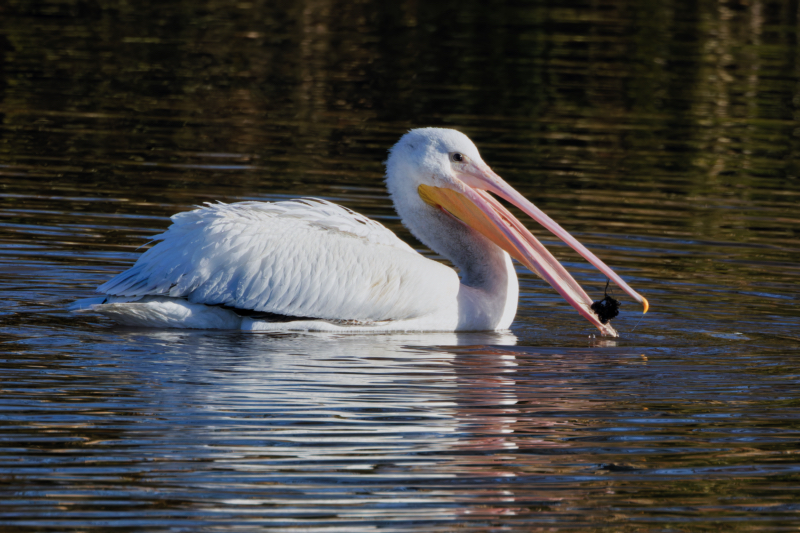
I photographed an American White Pelican playing with a small object at Sequoyah National Wildlife Refuge in Oklahoma.
Bird photography can be challenging. You need the right gear. A good camera and lens are key. Settings matter too. Fast shutter speeds help freeze motion. Learn how to adjust ISO and aperture. Techniques are important. Think about composition. Get close-ups. Try aerial shots. Capture birds in their habitat. Patience is needed. Birds move quickly. They can be hard to find. Study bird behavior. Know where they live. Understand their habits. This will help you get better photos.
I photographed an American White Pelican playing with a small object at Sequoyah National Wildlife Refuge in Oklahoma.

A wildlife photographer captures the moment an American White Pelican throws its head back and opening its pouch-like beak wide.
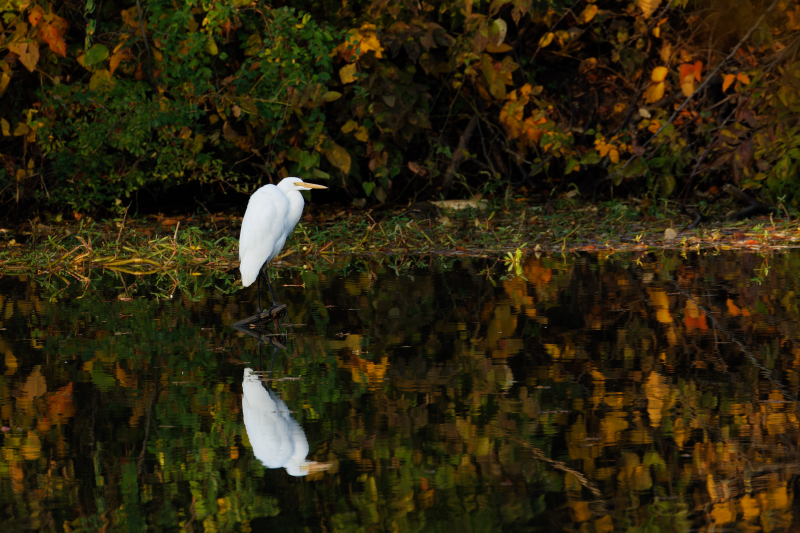
See this elegant Great Egret standing amongst fall colors at dawn. Explore the contrasts and beauty in this Oklahoma wildlife refuge photograph.
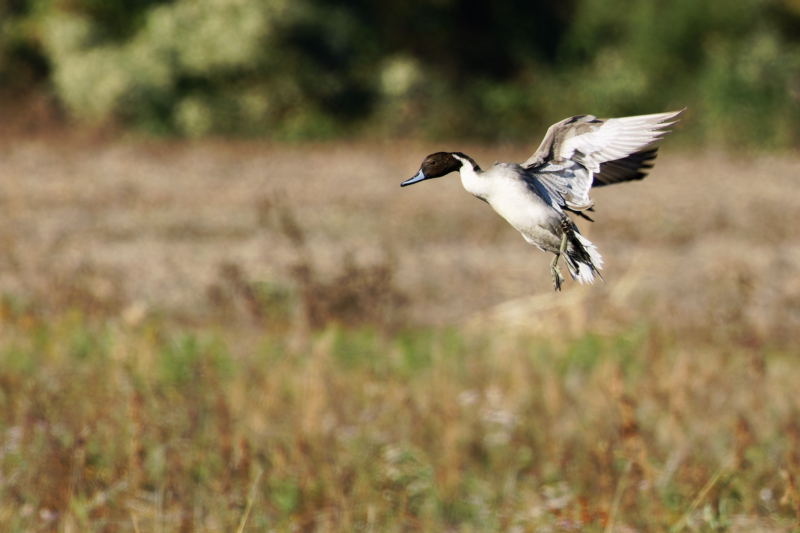
I photographed a Northern Pintail drake landing at Sequoyah National Wildlife Refuge in Oklahoma. Read my Wildlife Notes.
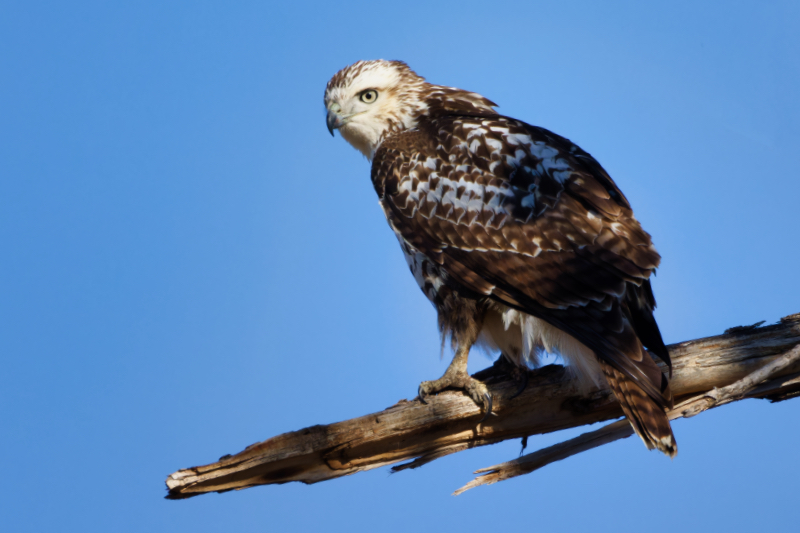
A wildlife photographer recounts spotting and photographing a rare young Krider’s Red-tailed Hawk while visiting an Oklahoma wildlife refuge.

A wildlife photography blog post about a photo of a Pied-billed Grebe swimming in a dense patch of duckweed at an Oklahoma refuge.
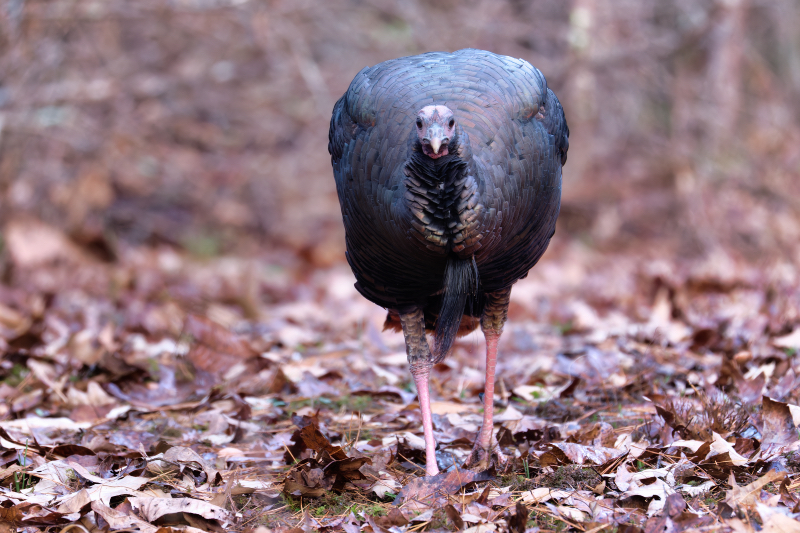
A wildlife photographer reflects on Arkansas’ natural bounty and gatherings of animal families while finding serenity outdoors this Thanksgiving season.

I photographed a Great Blue Heron with a fish at Sequoyah National Wildlife Refuge. Read my Wildlife and Photography Notes on this catch.