Mourning Dove Winter Resilience: Quiet Strength in Arkansas
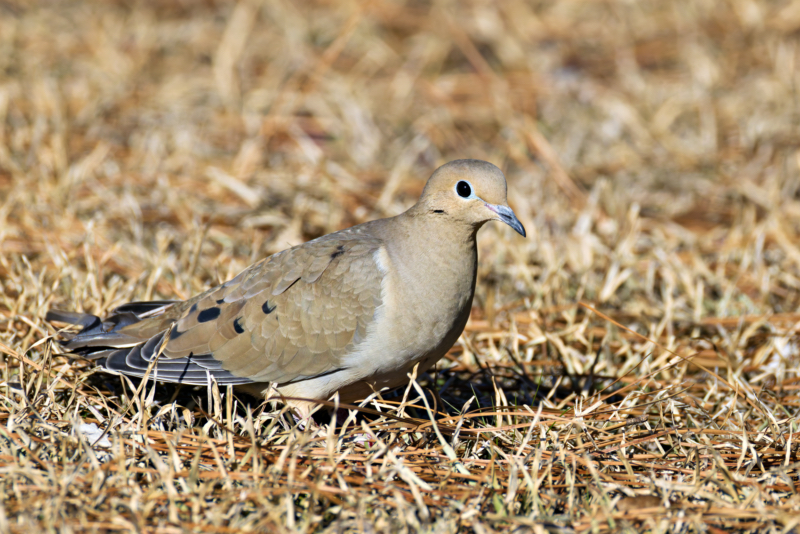
Discover the Mourning Dove’s winter resilience in Arkansas—thriving in 20 mph winds and cold, a lesson in quiet survival.
Bird photography can be challenging. You need the right gear. A good camera and lens are key. Settings matter too. Fast shutter speeds help freeze motion. Learn how to adjust ISO and aperture. Techniques are important. Think about composition. Get close-ups. Try aerial shots. Capture birds in their habitat. Patience is needed. Birds move quickly. They can be hard to find. Study bird behavior. Know where they live. Understand their habits. This will help you get better photos.
Discover the Mourning Dove’s winter resilience in Arkansas—thriving in 20 mph winds and cold, a lesson in quiet survival.
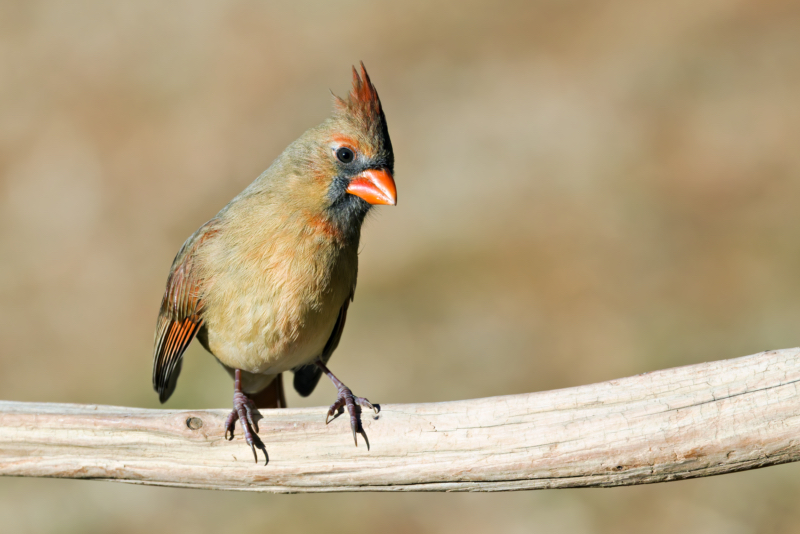
Learn how birds and fox squirrels use winter survival adaptations and discover simple ways to support wildlife during cold weather.
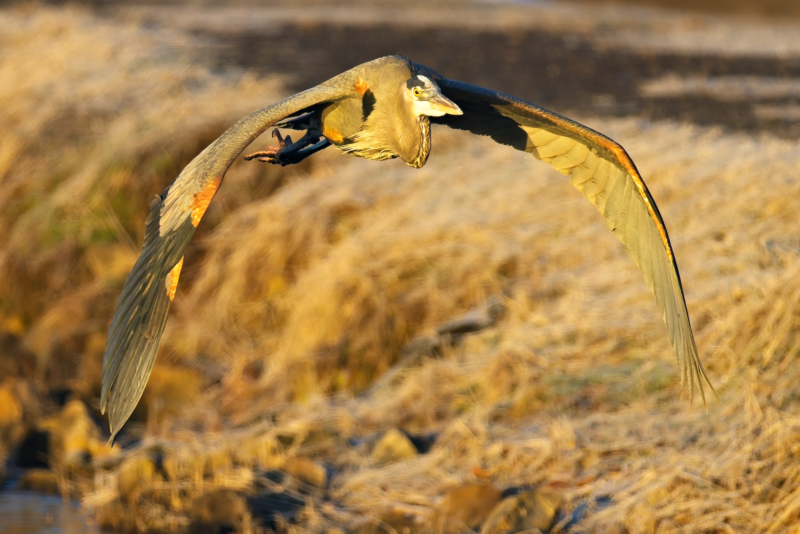
Experience Great Blue Herons at Charleston Lake. Witness their graceful flights and dynamic behavior in stunning golden sunrise light..
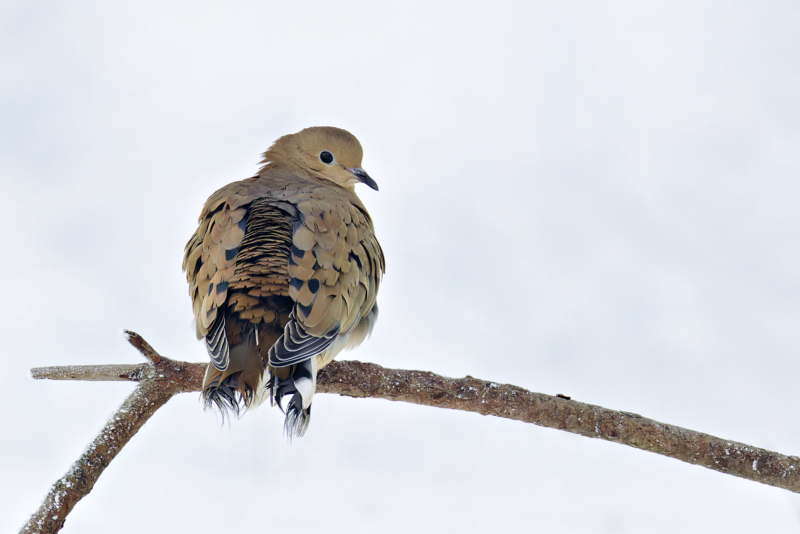
Snow in Arkansas brought Brown Thrashers, Mockingbirds, Cowbirds, Mourning Doves, and Pine Warblers to my yard. Winter birdwatching!
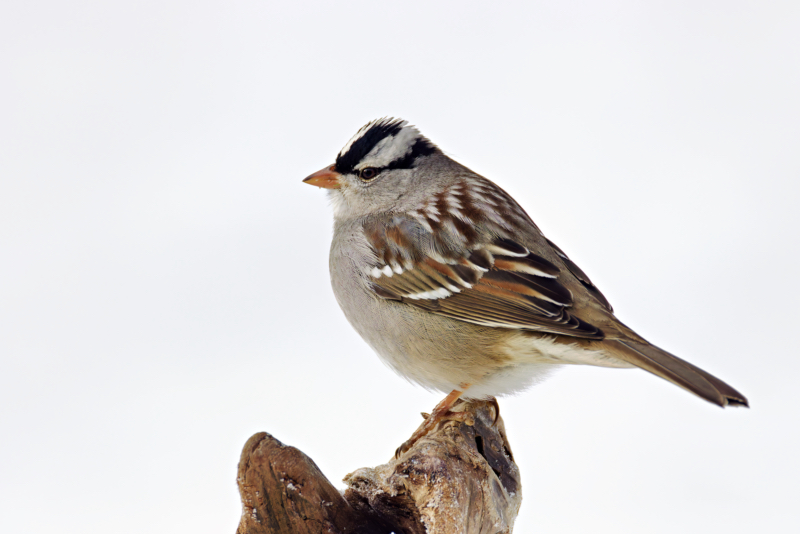
Snow in Arkansas brought a female Purple Finch, a male House Finch, and a White-crowned Sparrow to my yard. Here’s their story.
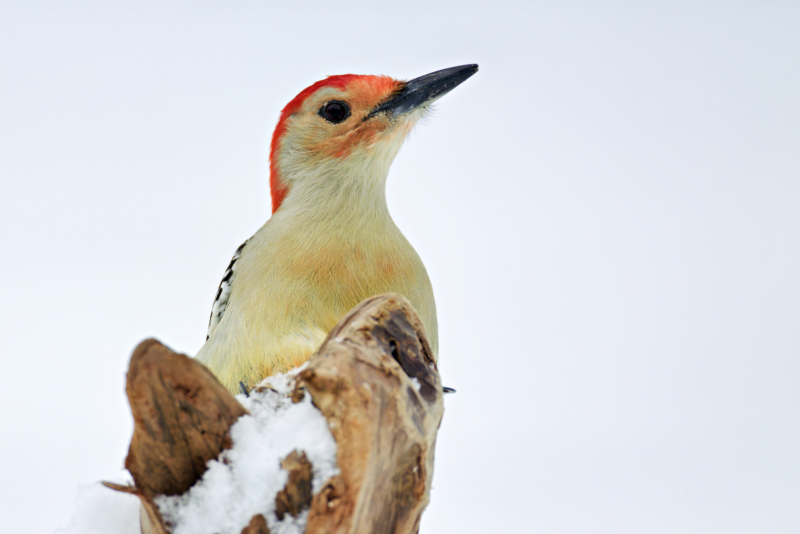
Red-bellied Woodpecker visits Arkansas feeder after snow, captured with Canon R5 Mark II and RF 200-800 lens. Vibrant colors in winter.
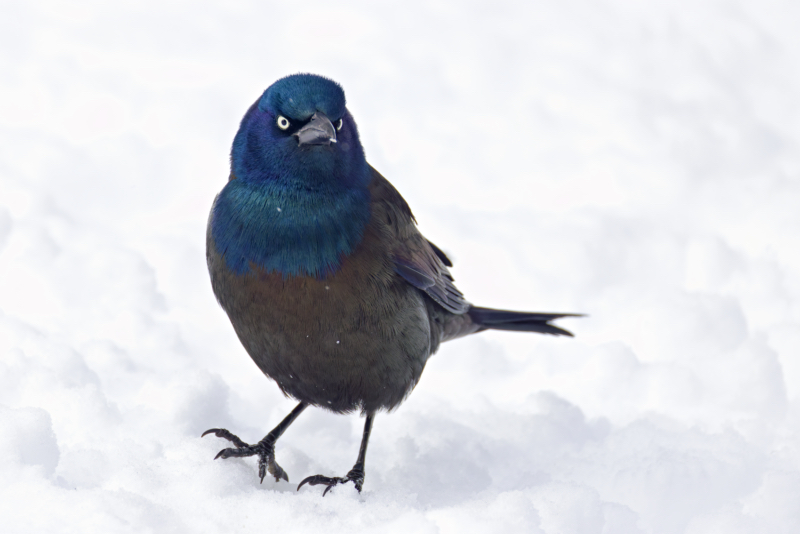
Common Grackles and Red-winged Blackbirds flock to snowy Arkansas feeders, showcasing bold behavior and survival strategies during winter.
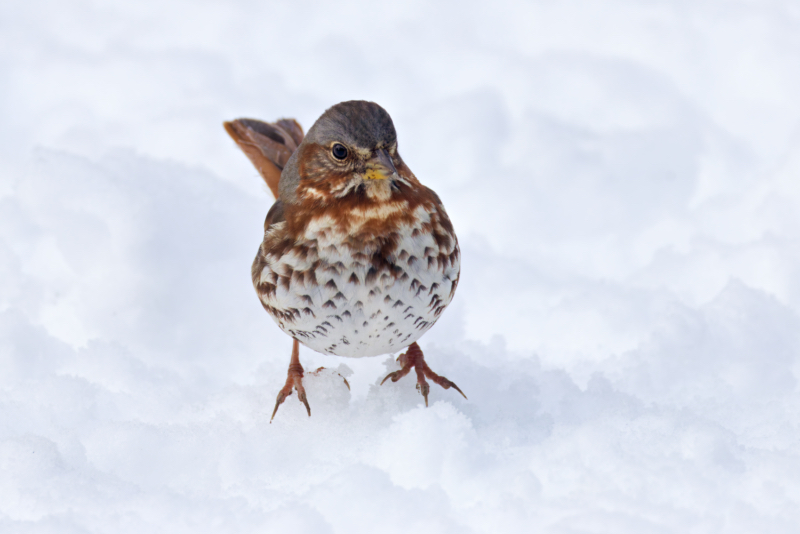
Fox Sparrows are winter visitors to Arkansas. Learn about their habits, habitat, and how to spot them with photos of one in the snow.