Skinks Emerge at Sequoyah National Wildlife Refuge in Spring
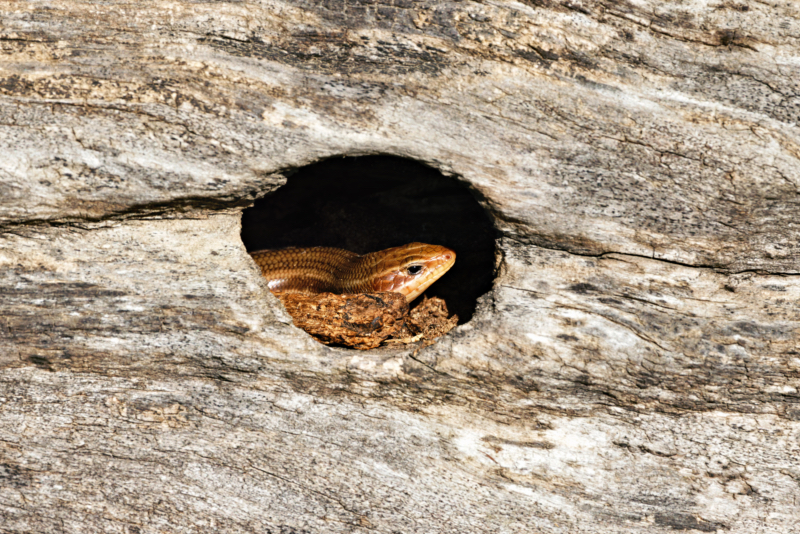
Five-lined skinks emerge in spring at Sequoyah National Wildlife Refuge as warming temperatures bring them out of hibernation.
Skinks are a common and active subject for my photography, especially in the warm Arkansas climate. I document their diverse patterns and their quick movements. I capture their sunbathing behavior and their role as insect predators. I observe their interactions with their environment. I aim to show their adaptability and their importance in the local reptile community. Their varied colors and behaviors make them a dynamic subject.
Five-lined skinks emerge in spring at Sequoyah National Wildlife Refuge as warming temperatures bring them out of hibernation.

A close look at lizard and skink tail regrowth after loss, photographed at Sequoyah National Wildlife Refuge.

Explore the hibernation habits of Five-lined Skinks and learn how to photograph them before and after their winter slumber.

A skink duo pauses at Sequoyah National Wildlife Refuge as I photograph their markings and watch them share a familiar log.
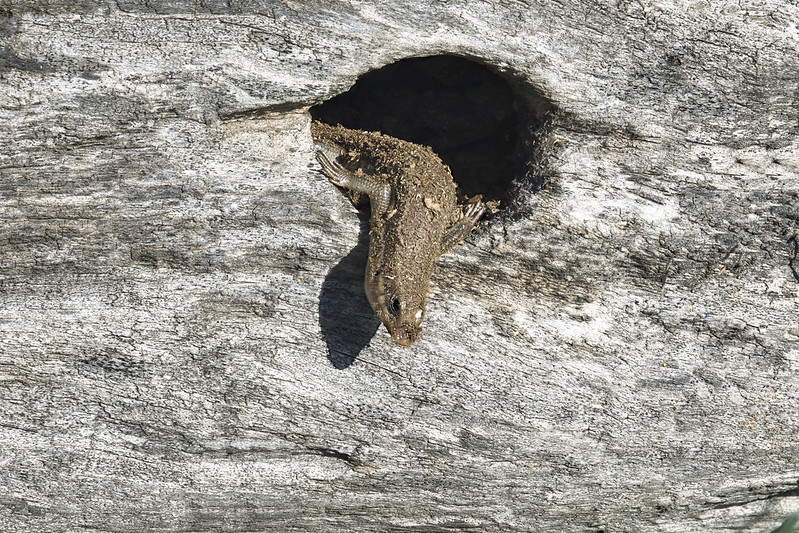
A skink in wet sawdust watches from a dead tree at Sequoyah National Wildlife Refuge during a spring morning encounter.
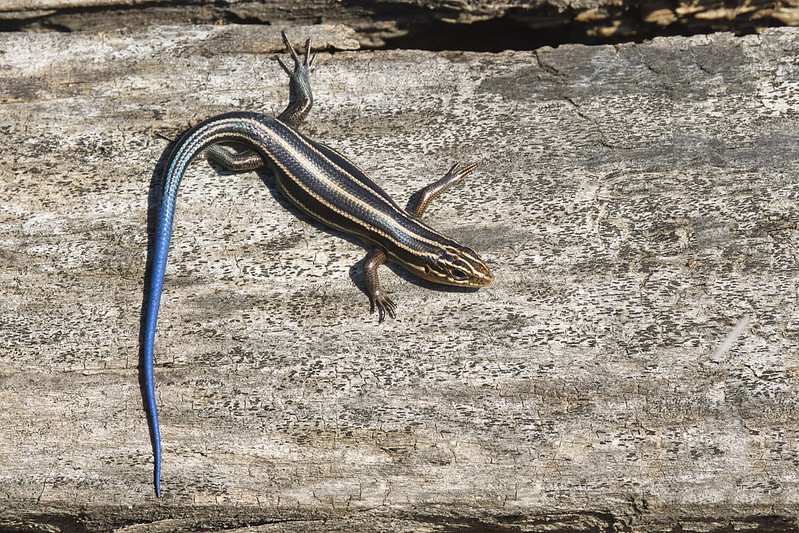
Sunning Five-lined Skink on a log at Sequoyah National Wildlife Refuge in Oklahoma, with a closer look at its behavior and bright blue tail.

I was able to witness and capture on camera a rare event: the mating ritual of a pair of Five-lined Skinks.

This Broad-headed Skink was on a large cottonwood tree that was dead and near the auto tour road. This was at the Sequoyah National Wildlife Refuge.