A Possible Deer Fibroma Below a Buck’s Eye
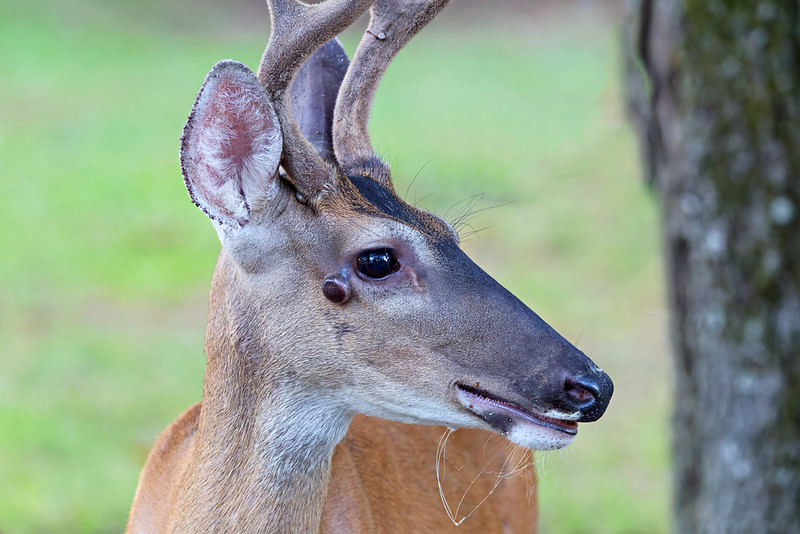
White-tailed Deer Fibroma may explain the dark growth below a buck’s eye that I photographed at Mount Nebo State Park in Arkansas.
White-tailed deer: I venture into woodlands and fields, seeking to capture their graceful movements and wary nature. Photographing their diverse behaviors, from foraging to fawning, is a constant pursuit. I explore their habitats, documenting their seasonal changes and interactions. Their vital role in the ecosystem and their adaptability fascinate me. I aim to portray their beauty and resilience.
White-tailed Deer Fibroma may explain the dark growth below a buck’s eye that I photographed at Mount Nebo State Park in Arkansas.
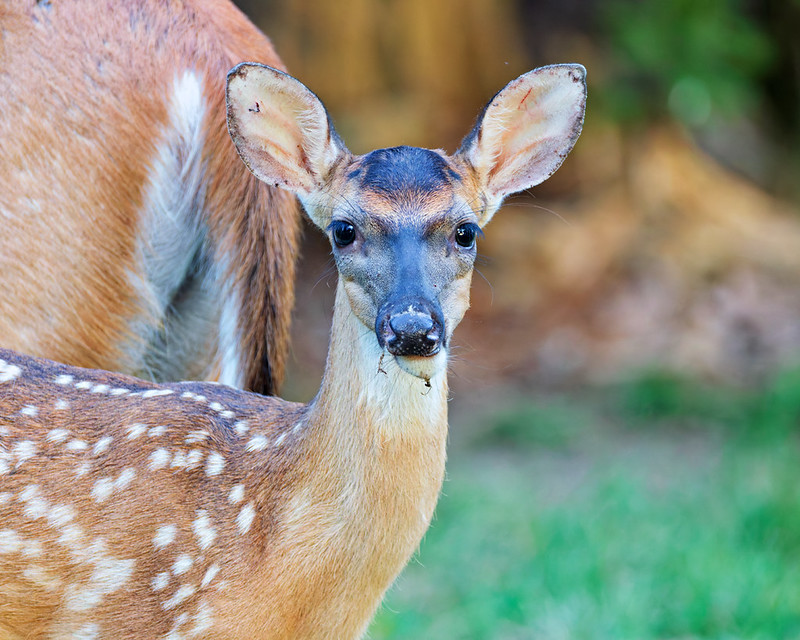
White-tailed Fawn coat color varies more than many people expect. Two Arkansas fawns showed strikingly different shades.
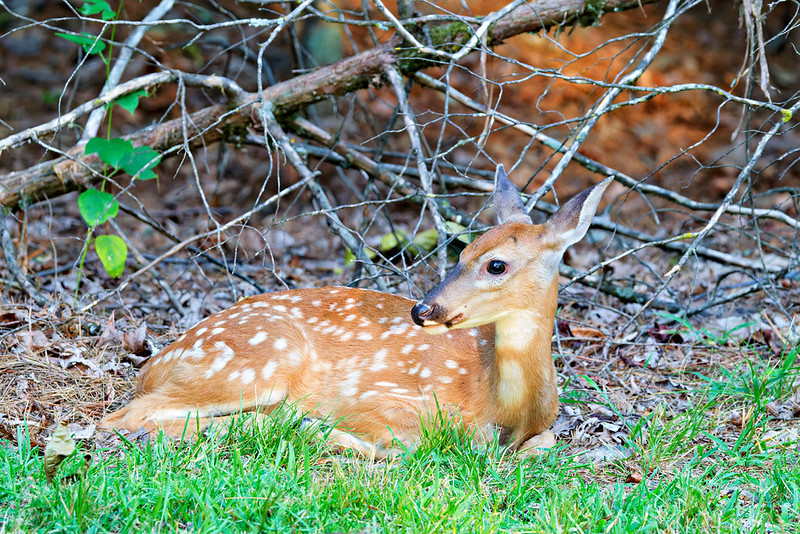
White-tailed fawns resting at Mount Nebo State Park gave me two peaceful wildlife encounters during an Arkansas morning.
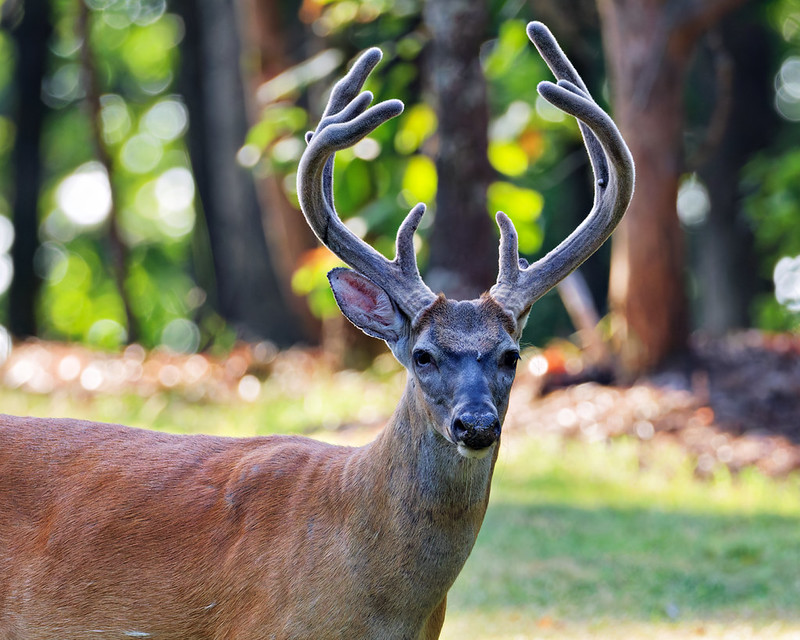
Mount Nebo velvet bucks gathered near small pools of water during a hot July morning when close to 20 deer filled one yard.
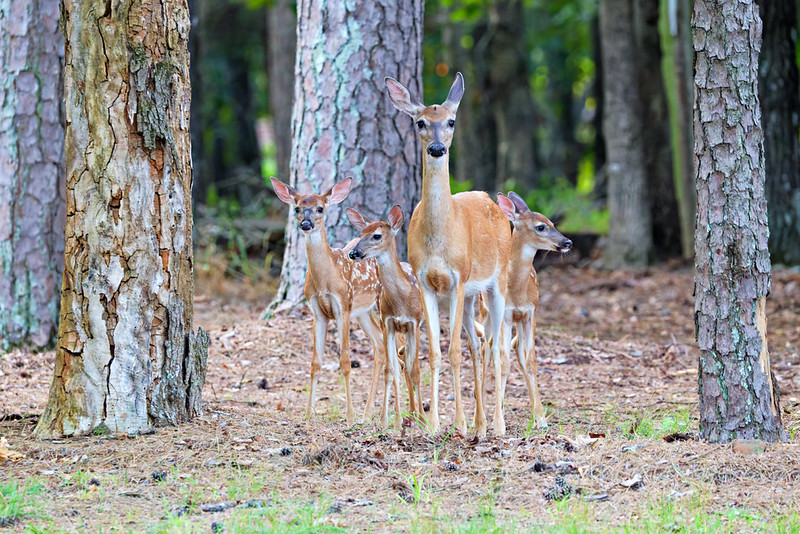
White-tailed Deer triplets kept me waiting at Mount Nebo State Park before all three fawns gathered for two family photos.
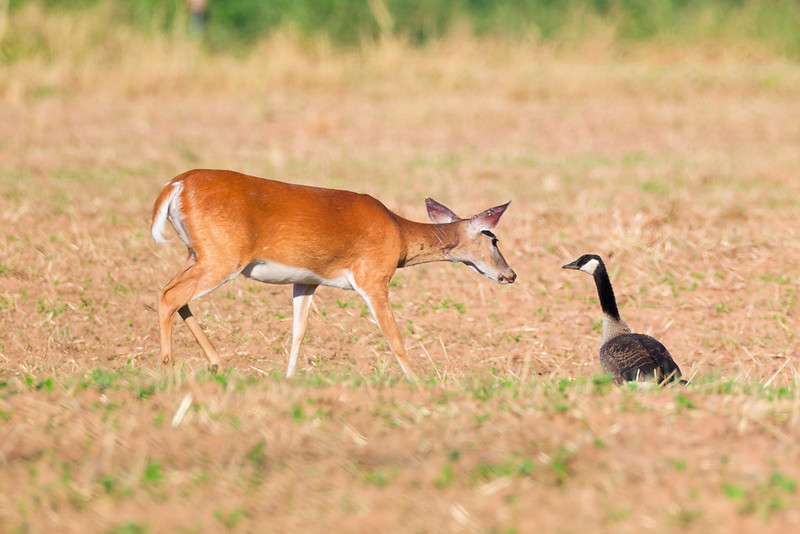
A White-tailed Doe approached a group of Canada Geese at Sequoyah National Wildlife Refuge and appeared to invite them to play.
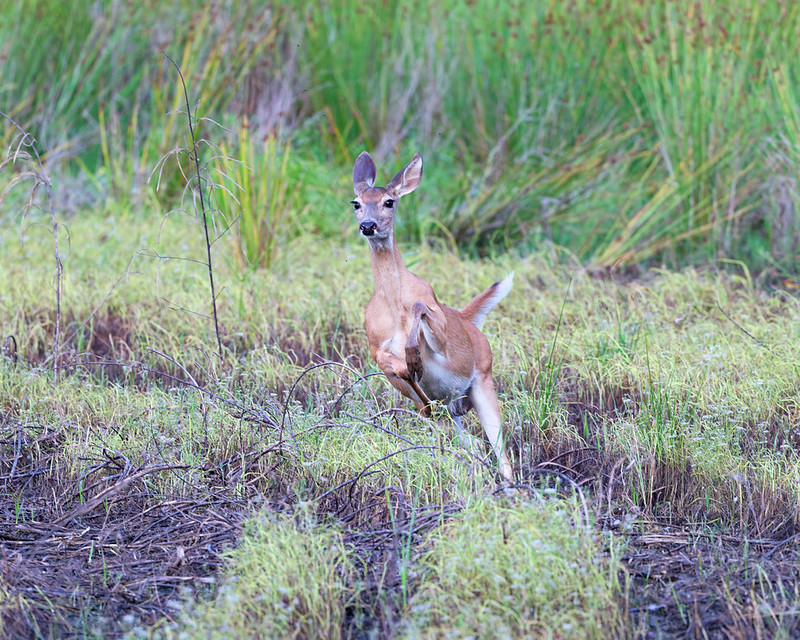
White-tailed doe encounter on a service road at Sequoyah Refuge, where a running deer came straight toward me.
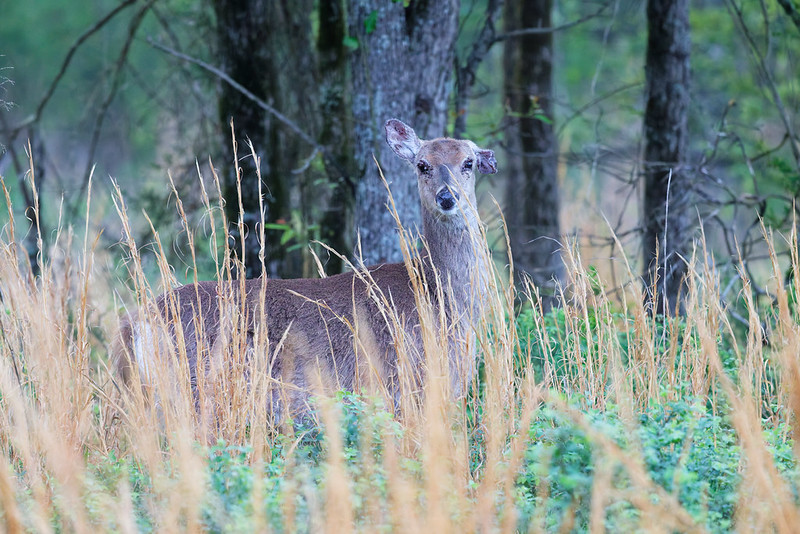
A doe with injured ear markings appears near the same Fort Smith trail nearly three years apart, with more visible ticks in 2026.