A Brown-headed Cowbird and a Texas Longhorn
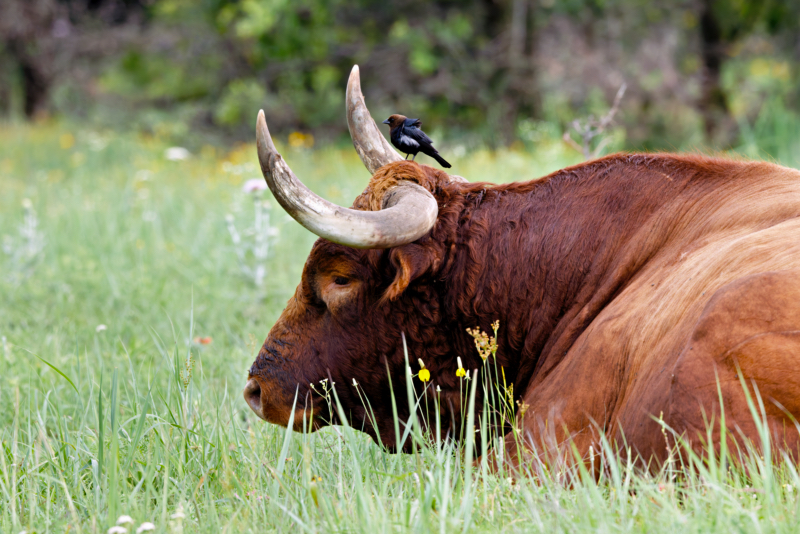
A Brown-headed Cowbird rides a resting Texas Longhorn in the Wichita Mountains, a quiet moment that shows a smart feeding habit.
Deer and ungulates: I venture into forests and fields, seeking to capture their grace and power. Photographing their diverse forms, from white-tailed deer to elk, is a constant pursuit. I explore their habitats, documenting their social behaviors and seasonal changes. Their role as grazers and their interactions with predators fascinate me. I aim to portray their vital place in the landscape.
A Brown-headed Cowbird rides a resting Texas Longhorn in the Wichita Mountains, a quiet moment that shows a smart feeding habit.
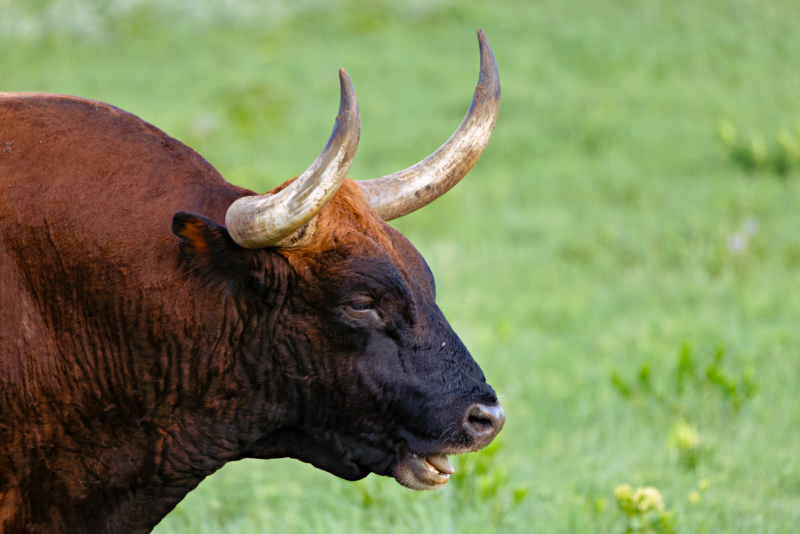
Texas Longhorns are a familiar sight at Wichita Mountains Wildlife Refuge, where a long-managed herd helped preserve the breed.
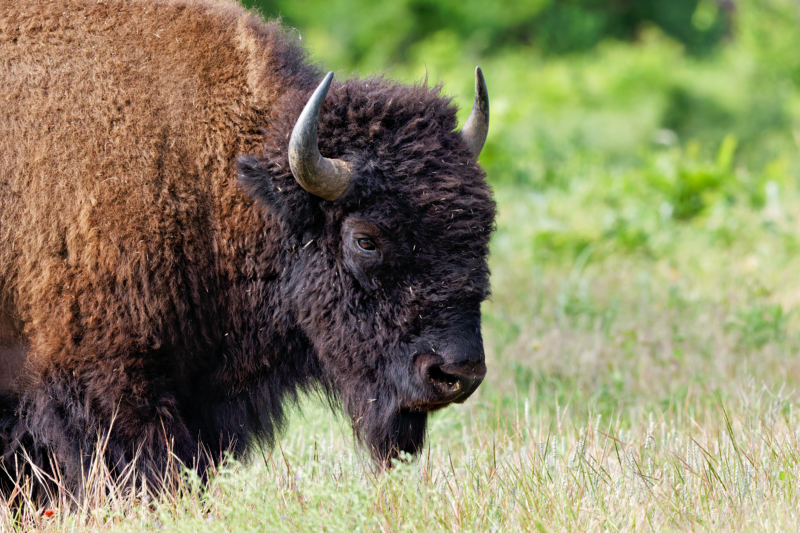
Wichita Mountains bison on the refuge, a close look at wild bison behavior and the photography choices behind these Oklahoma images.

I found a golden wheat field at Sequoyah National Wildlife Refuge and learned more about winter wheat in Oklahoma.
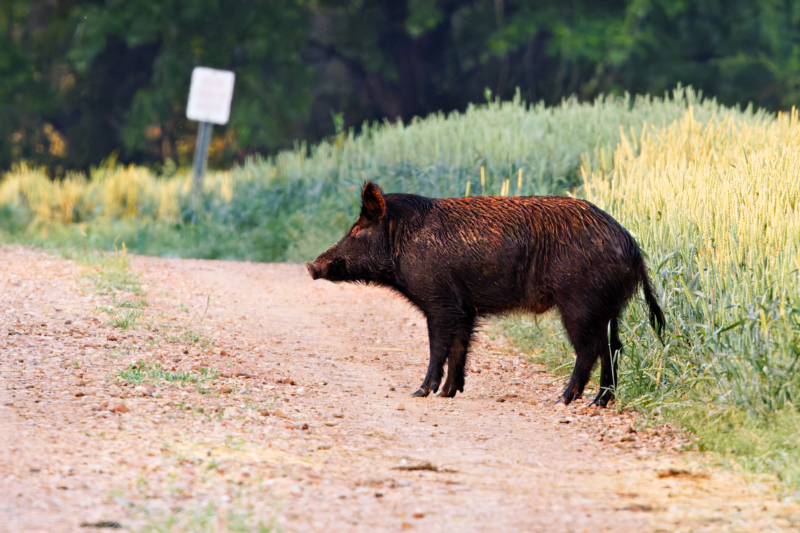
I looked at how feral hog damage affects habitat at Sequoyah National Wildlife Refuge and why managers work to control it.
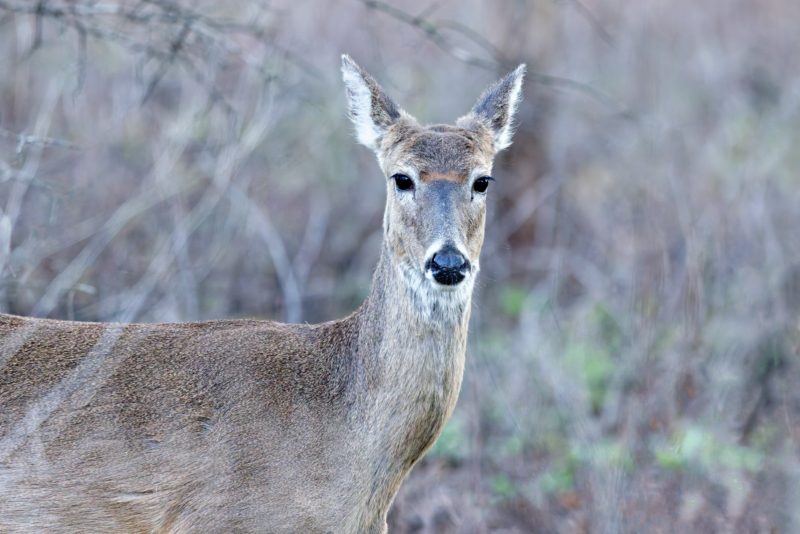
Whitetail does are often seen alone in spring. I explain how this behavior connects to fawning season and helps protect newborn fawns.

Deer swimming ability often surprises people. Learn how far whitetail deer swim, why they enter water, and what makes them strong swimmers.
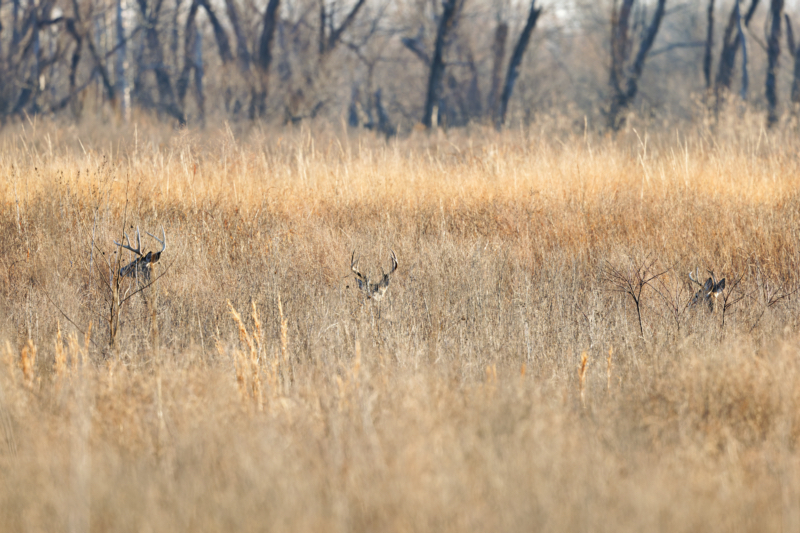
Spotting elusive Whitetail Bucks at Oklahoma’s Sequoyah National Wildlife Refuge highlights the importance of preserving untouched natural habitats.