Patterning Whitetail Bucks | Insights for Wildlife Photographers
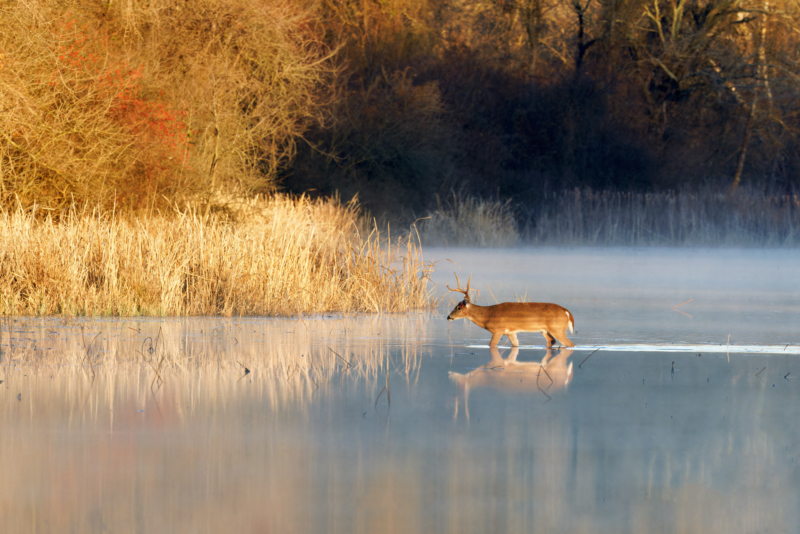
I share how I pattern whitetail bucks and predict where they cross water for better wildlife photography opportunities.
Deer and ungulates: I venture into forests and fields, seeking to capture their grace and power. Photographing their diverse forms, from white-tailed deer to elk, is a constant pursuit. I explore their habitats, documenting their social behaviors and seasonal changes. Their role as grazers and their interactions with predators fascinate me. I aim to portray their vital place in the landscape.
I share how I pattern whitetail bucks and predict where they cross water for better wildlife photography opportunities.

I explain how and why whitetail bucks shed their antlers each year and why research shows this natural process is not painful.
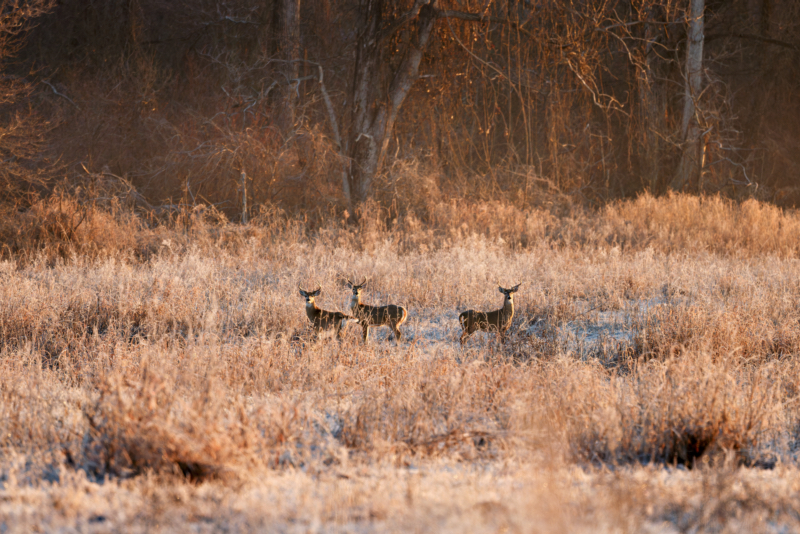
Whitetail bucks field scene at Sequoyah National Wildlife Refuge in Oklahoma, with late-winter antlers and early buds. See the photo.

How whitetail bucks utilize various techniques like turning their antlers, ducking low, and picking paths to move through dense brush.
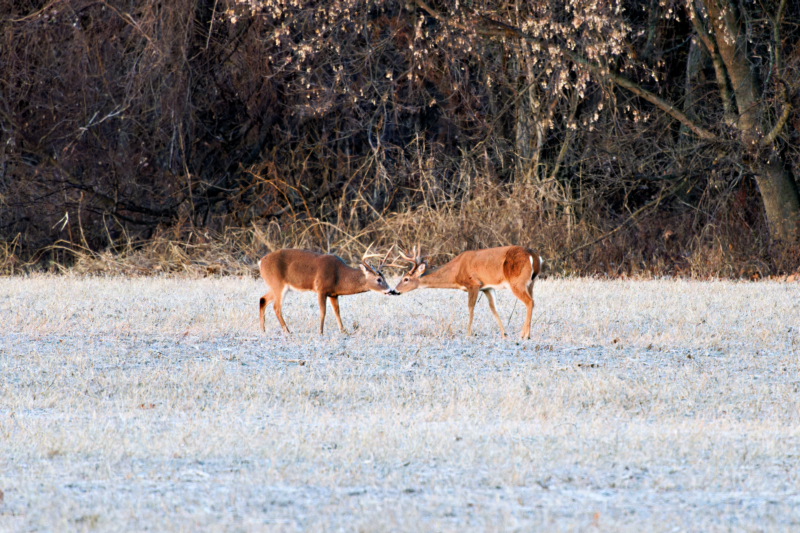
A rare interaction between two Whitetail Bucks in an Oklahoma field, captured nose to nose and explored through deer behavior.

The winter travel patterns, home ranges, and habitat usage of whitetail bucks at the Sequoyah National Wildlife Refuge in Oklahoma.

Examining factors like nutrition, accessibility, and digestibility that lead deer to choose greenbrier over corn in winter.

Whitetail deer swimming across Charleston Lake in Arkansas, with notes on how deer swim, why they do it, and what I observed.