Injured White-tailed Does Surviving in the Wild
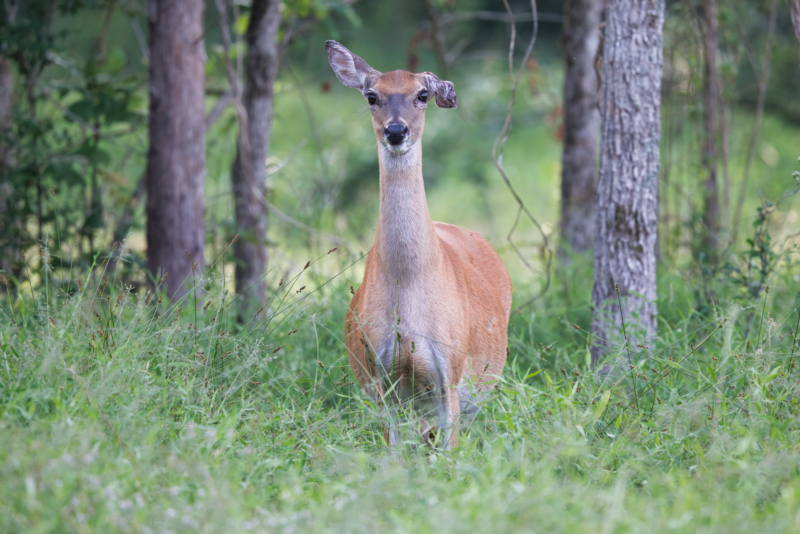
I photographed injured white-tailed does in Arkansas and Oklahoma, showing how these resilient deer survive and adapt in the wild.
Deer and ungulates: I venture into forests and fields, seeking to capture their grace and power. Photographing their diverse forms, from white-tailed deer to elk, is a constant pursuit. I explore their habitats, documenting their social behaviors and seasonal changes. Their role as grazers and their interactions with predators fascinate me. I aim to portray their vital place in the landscape.
I photographed injured white-tailed does in Arkansas and Oklahoma, showing how these resilient deer survive and adapt in the wild.
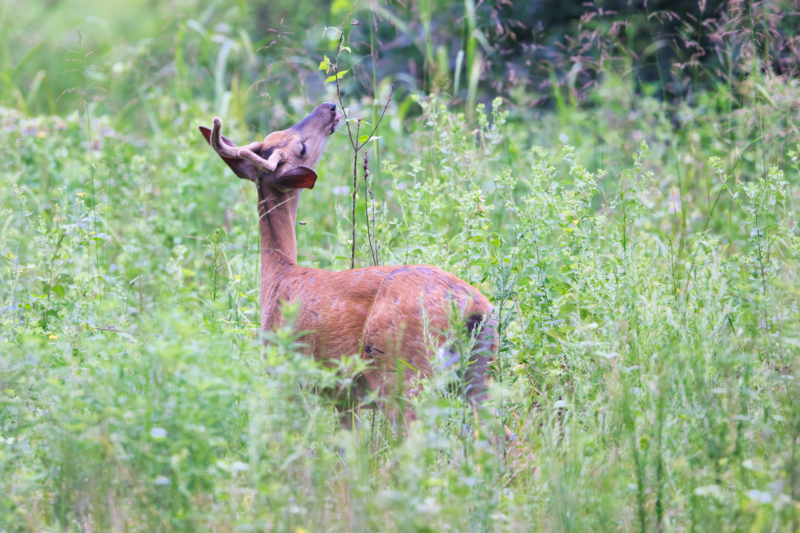
I spent another morning photographing my favorite young buck at Sequoyah National Wildlife Refuge as he fed and interacted with nearby does.
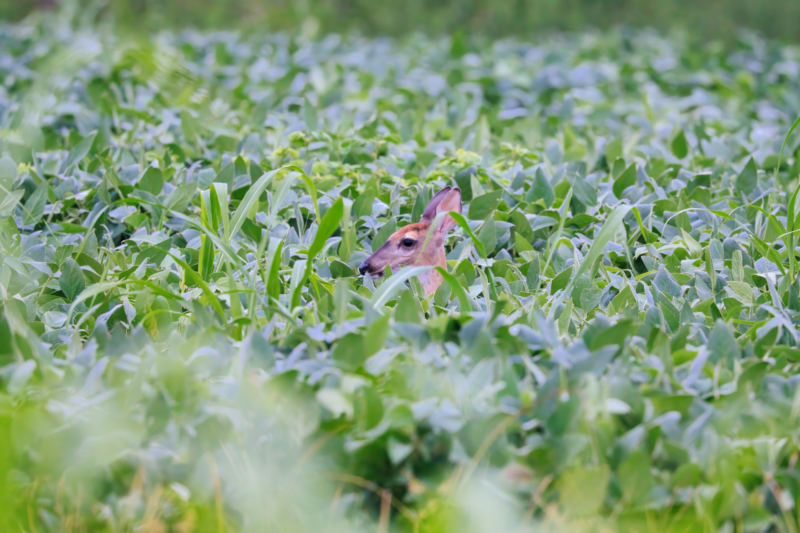
Whitetail deer in soybean fields at Sequoyah Refuge show how crops conceal wildlife. See a fawn and doe hidden in dense summer growth.

Spike whitetail buck photographed in summer velvet along the auto tour road at Sequoyah National Wildlife Refuge.
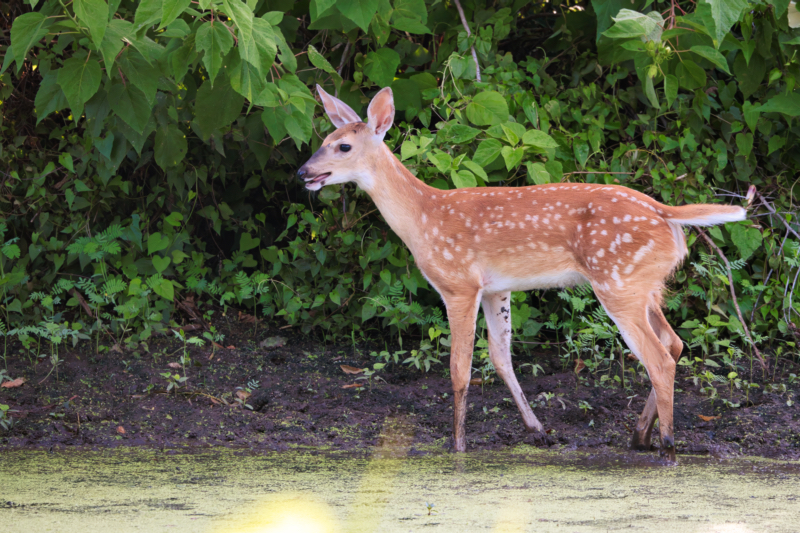
Whitetail fawn in summer heat at Sequoyah National Wildlife Refuge, walking near a slough on a hot July morning.

Whitetail does and fawn move through lotus leaves at Sequoyah National Wildlife Refuge during a calm June morning in Oklahoma.

I photographed a pregnant Whitetail Doe at Sequoyah National Wildlife Refuge in Oklahoma and observed signs she may soon give birth.

A whitetail buck in velvet feeds among young corn at Sequoyah National Wildlife Refuge during a late May morning.