Baby Bluebirds Fledge From My Arkansas Birdhouse
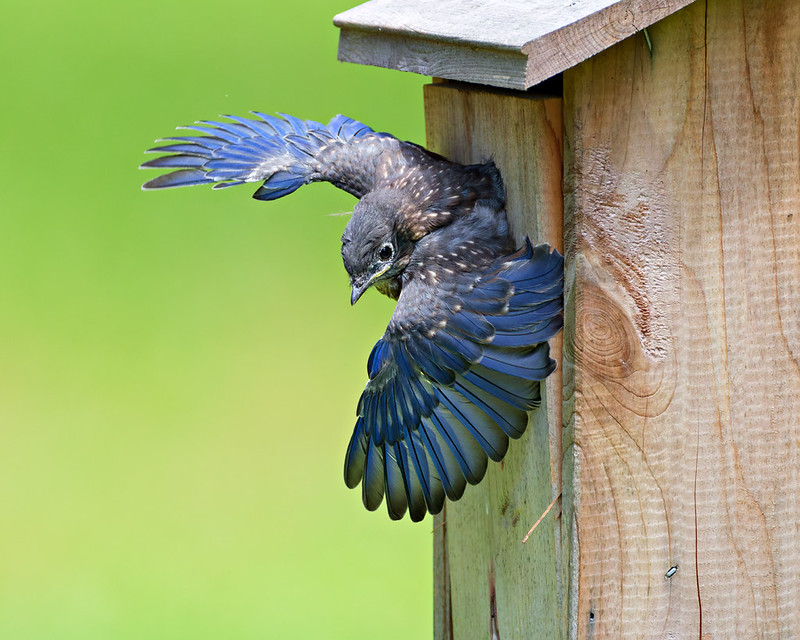
Baby Bluebirds Fledge from my Arkansas birdhouse as all four young leave the nest, reach nearby trees, and ride out rain.
Bird photography can be challenging. You need the right gear. A good camera and lens are key. Settings matter too. Fast shutter speeds help freeze motion. Learn how to adjust ISO and aperture. Techniques are important. Think about composition. Get close-ups. Try aerial shots. Capture birds in their habitat. Patience is needed. Birds move quickly. They can be hard to find. Study bird behavior. Know where they live. Understand their habits. This will help you get better photos.
Baby Bluebirds Fledge from my Arkansas birdhouse as all four young leave the nest, reach nearby trees, and ride out rain.
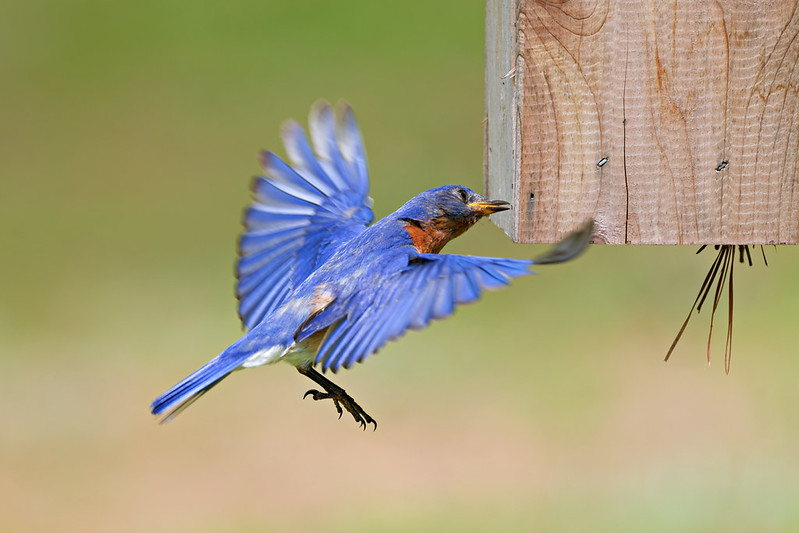
Eastern Bluebird Ant Removal at my Arkansas nest box showed a behavior I had never seen while the adults fed their young.
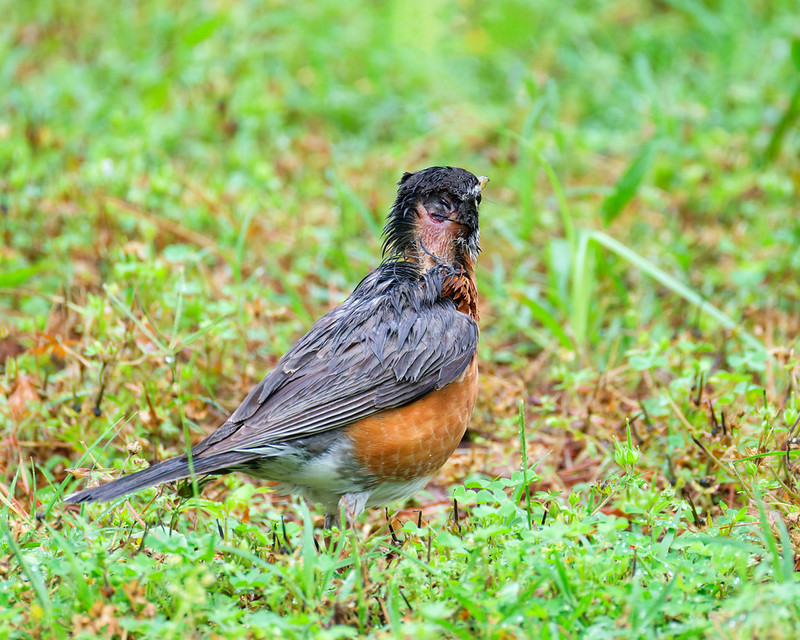
I photographed an American Robin in my Arkansas yard with a nasty head wound, missing feathers, and otherwise normal foraging behavior.
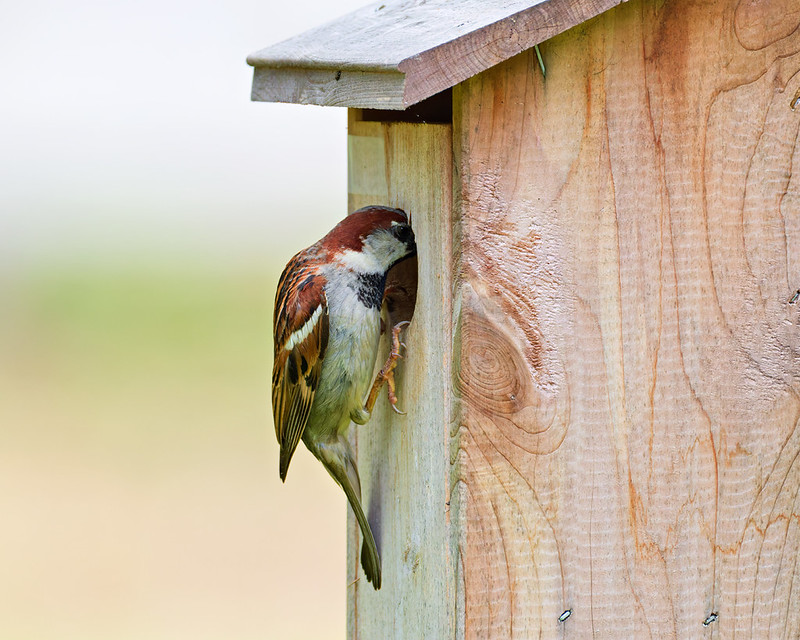
A House Sparrow entered my bluebird nest box, creating a tense moment before the Eastern Bluebird parents returned.
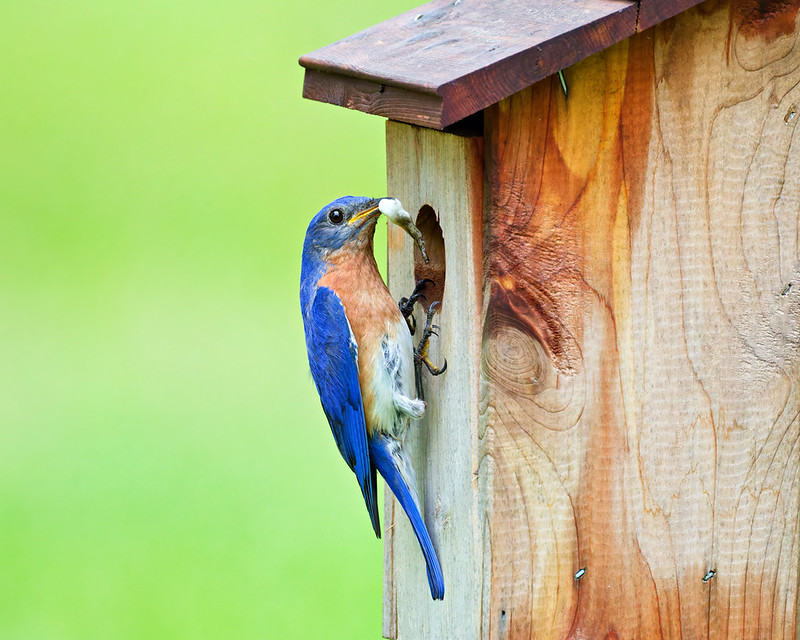
Both bluebird parents are feeding nestlings just three days after hatch in my Arkansas backyard. Rain hasn’t slowed them down at all.
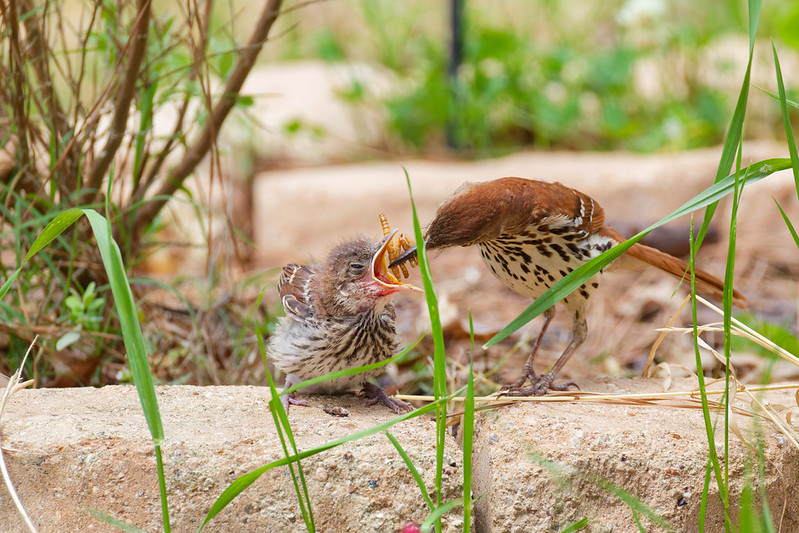
Brown Thrasher Fledglings were hidden near my deck while adults carried worms and mealworms through my Arkansas yard on a busy spring day.
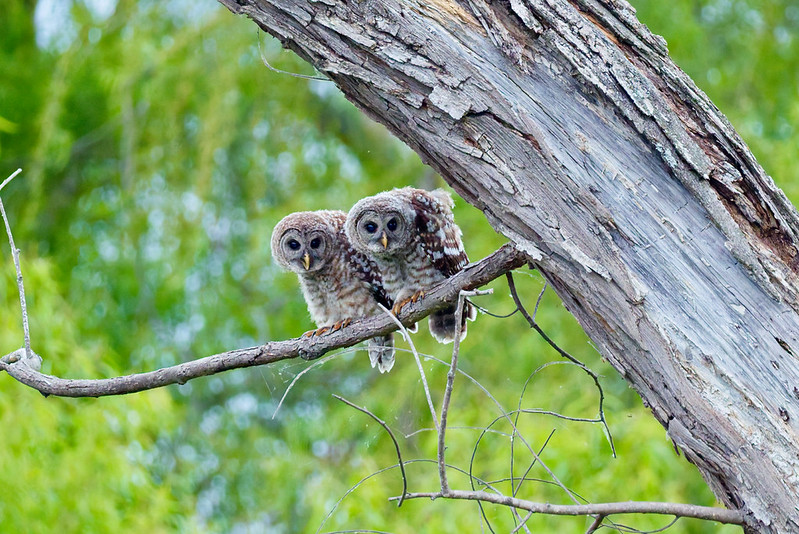
Young Barred Owls waited before sunrise at Miner’s Cove as an adult brought food on a dim May morning at the refuge.
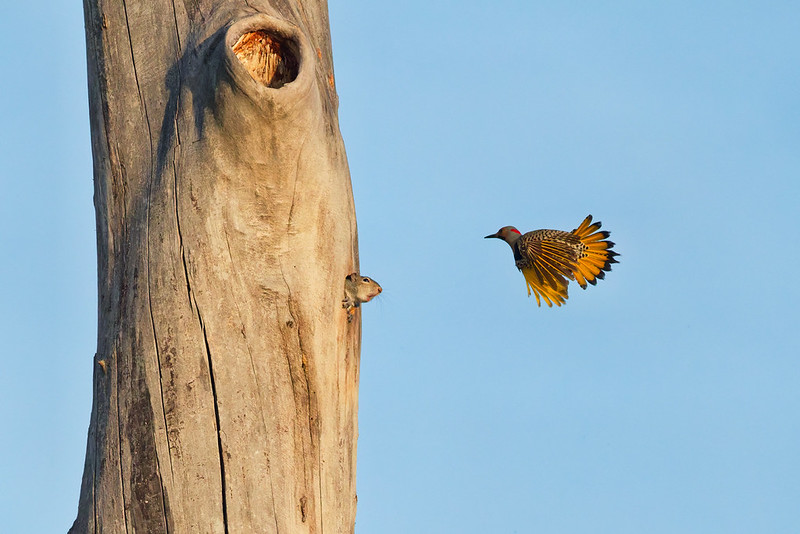
A Northern Flicker nest cavity encounter at Sequoyah NWR turned uncertain when a Gray Squirrel appeared, then the flickers mated nearby.