Bird Photography Setup in Arkansas: A Peaceful Backyard Hideaway

A look at my Arkansas bird photography setup, featuring a camouflage blind and feeders in a quiet backyard corner.
Bird photography can be challenging. You need the right gear. A good camera and lens are key. Settings matter too. Fast shutter speeds help freeze motion. Learn how to adjust ISO and aperture. Techniques are important. Think about composition. Get close-ups. Try aerial shots. Capture birds in their habitat. Patience is needed. Birds move quickly. They can be hard to find. Study bird behavior. Know where they live. Understand their habits. This will help you get better photos.
A look at my Arkansas bird photography setup, featuring a camouflage blind and feeders in a quiet backyard corner.
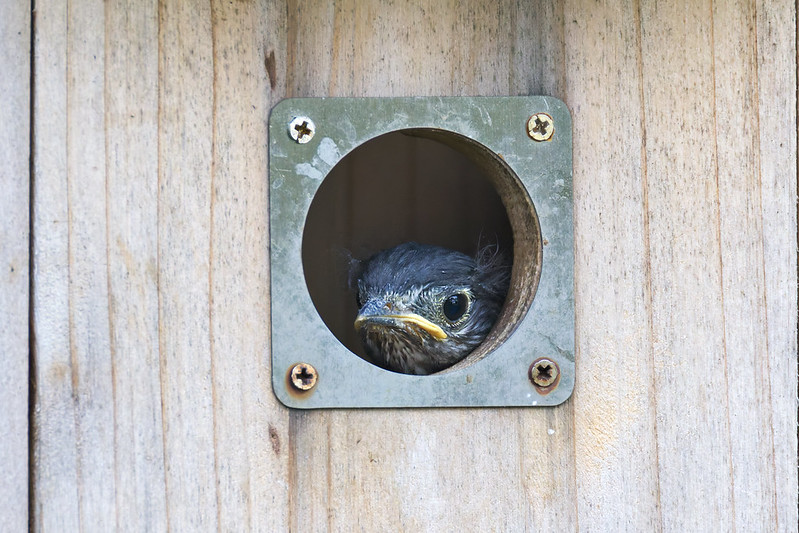
Eastern Bluebird fledgling peers out from its nest box, just days from fledging, as nesting season nears a thrilling milestone.
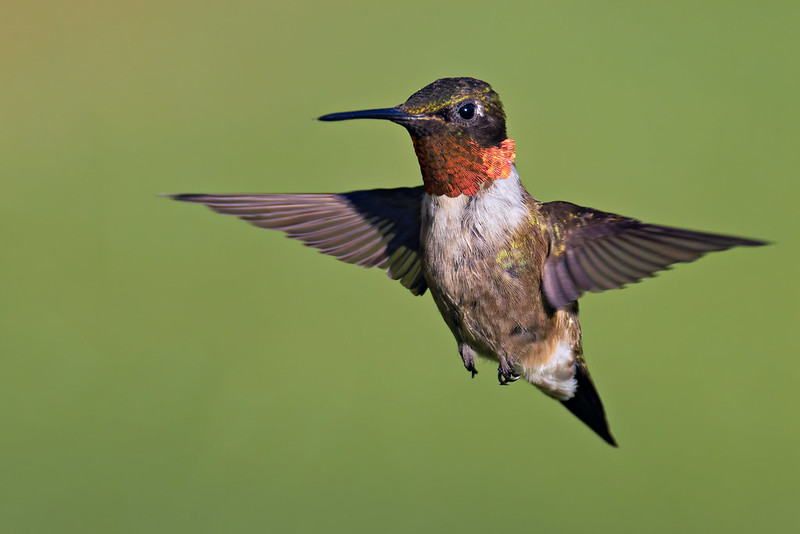
Ruby-throated Hummingbird captured midair in Arkansas. Discover the beauty and behavior of this tiny bird with a blazing red throat.

Northern Mockingbirds drive away other birds near my feeders. I relocated them to ease tensions among backyard species.