
Great Blue Heron With a Fresh Catch

Great Blue Heron with a fresh catch at Sequoyah National Wildlife Refuge. Post-hunting season means better photo opportunities.
Bird photography can be challenging. You need the right gear. A good camera and lens are key. Settings matter too. Fast shutter speeds help freeze motion. Learn how to adjust ISO and aperture. Techniques are important. Think about composition. Get close-ups. Try aerial shots. Capture birds in their habitat. Patience is needed. Birds move quickly. They can be hard to find. Study bird behavior. Know where they live. Understand their habits. This will help you get better photos.
Great Blue Heron with a fresh catch at Sequoyah National Wildlife Refuge. Post-hunting season means better photo opportunities.
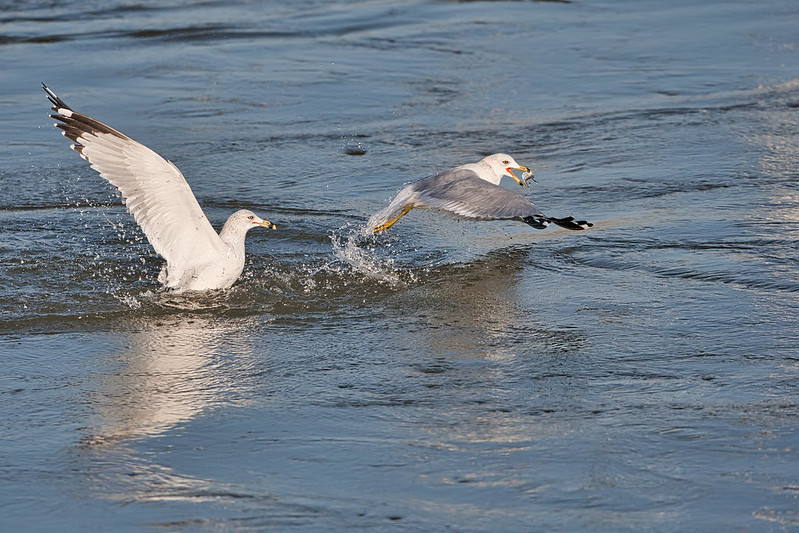
Two Gulls compete for the same fish at Kerr Dam in Oklahoma, captured in a split-second moment during winter feeding behavior.
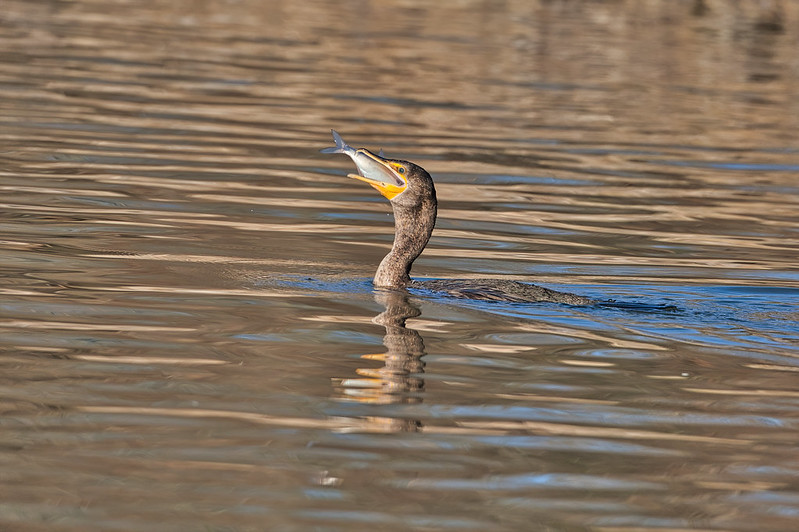
I photographed this Double-crested Cormorant swallowing a shad at Robert S. Kerr Reservoir (Kerr Dam) near Sallisaw, Oklahoma.

I photographed a Bald Eagle making a sharp turn over Charleston Lake in Arkansas, capturing winter hunting behavior and flight detail.

Witnessing a bald eagle swoop down from a cottonwood tree to search a log in the Arkansas River while at the Sequoyah National Wildlife Refuge in Oklahoma.

Wildlife photographer Steve Creek shares a photo of an American Robin he photographed at the Fort Smith National Historic Site in Arkansas.
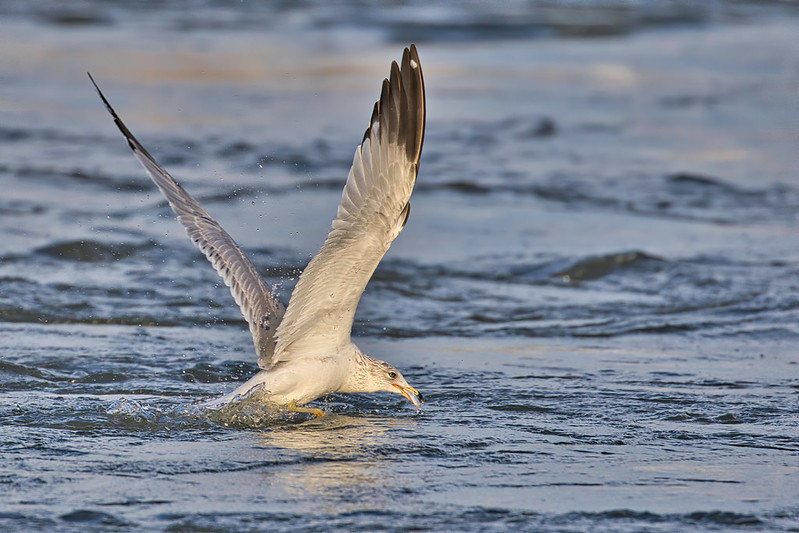
Photographing this Ring-billed Gull leaving the water with a shad was exciting and fast paced.
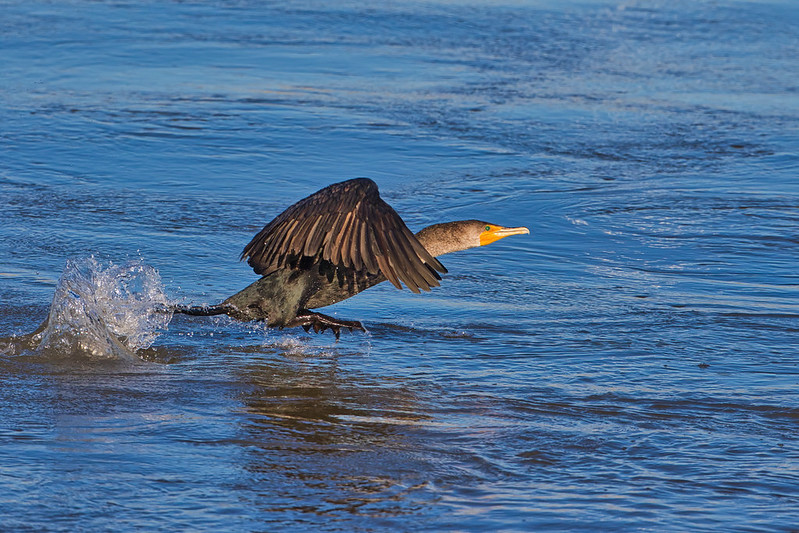
Discover Robert S. Kerr Reservoir for winter bird photography. Learn to capture stunning action shots of Double-crested Cormorants and more.