American Robin At Fort Smith National Historic Site
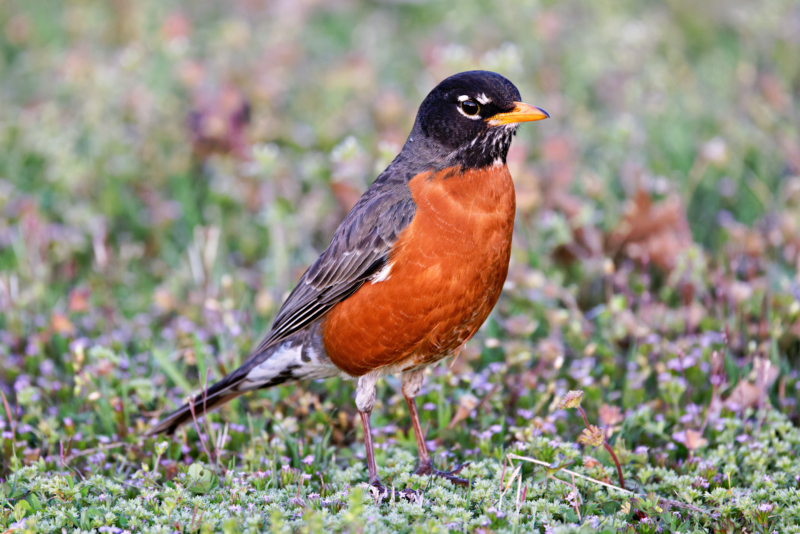
I photographed this American Robin while hiking the trails at the Fort Smith National Historic Site here in Arkansas.
Bird photography can be challenging. You need the right gear. A good camera and lens are key. Settings matter too. Fast shutter speeds help freeze motion. Learn how to adjust ISO and aperture. Techniques are important. Think about composition. Get close-ups. Try aerial shots. Capture birds in their habitat. Patience is needed. Birds move quickly. They can be hard to find. Study bird behavior. Know where they live. Understand their habits. This will help you get better photos.
I photographed this American Robin while hiking the trails at the Fort Smith National Historic Site here in Arkansas.

During a recent nature walk near the train tracks at the Fort Smith National Historic Site in Arkansas, I had the pleasure of photographing a Carolina Wren.
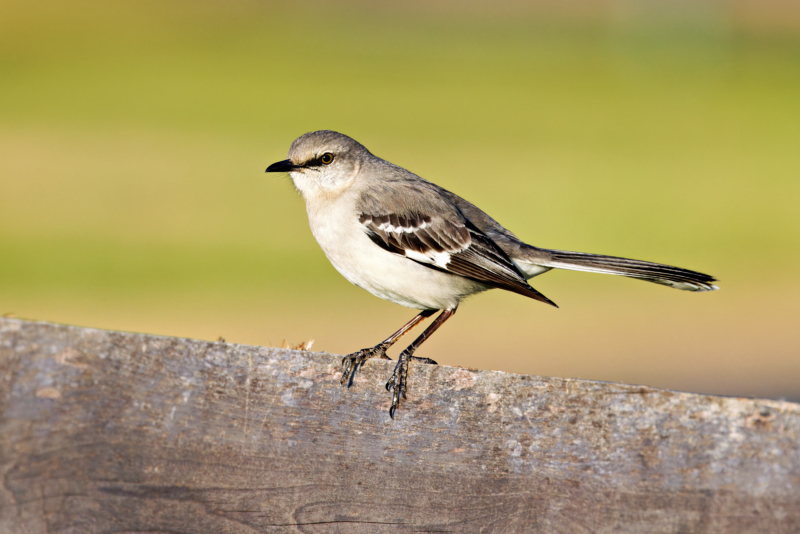
I photographed this Northern Mockingbird while hiking the trails at the Fort Smith National Historic Site here in Arkansas. I was hand-holding my camera.
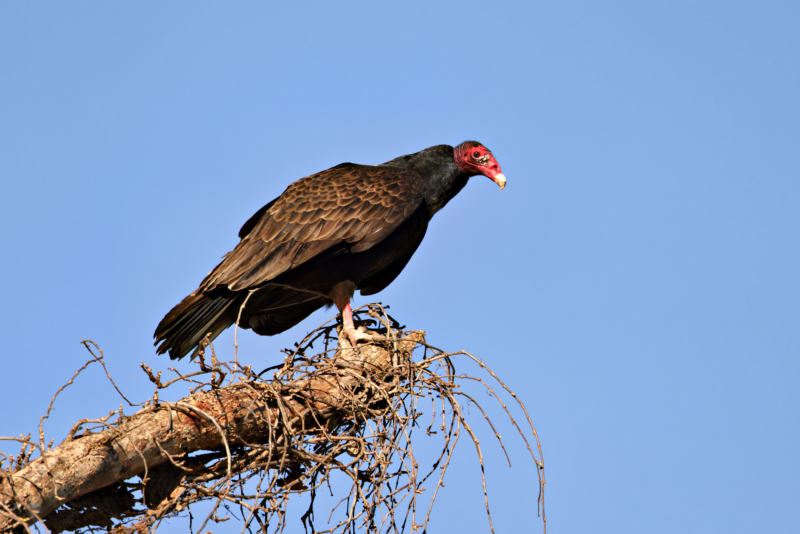
This Turkey Vulture perched in a tree was photographed at the Sequoyah National Wildlife Refuge in Oklahoma.
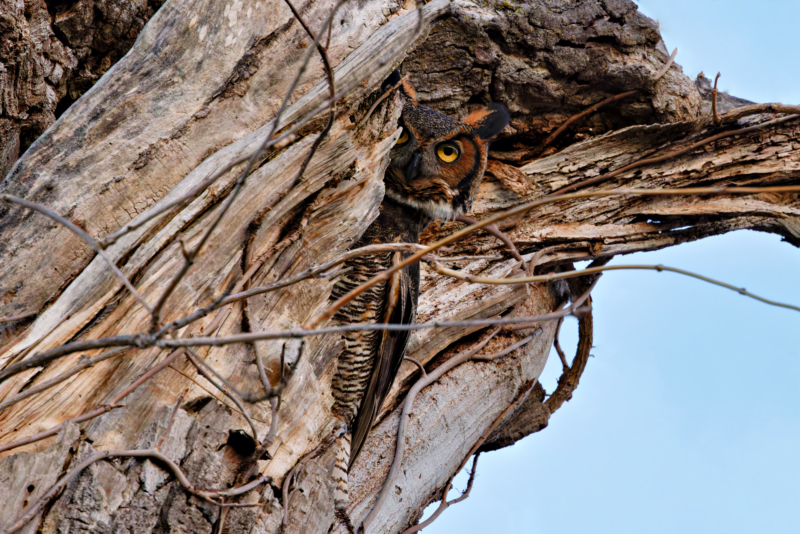
Witness a photographer’s amazing encounter with a Great Horned Owl at Sequoyah National Wildlife Refuge. Learn fascinating facts about these incredible birds!
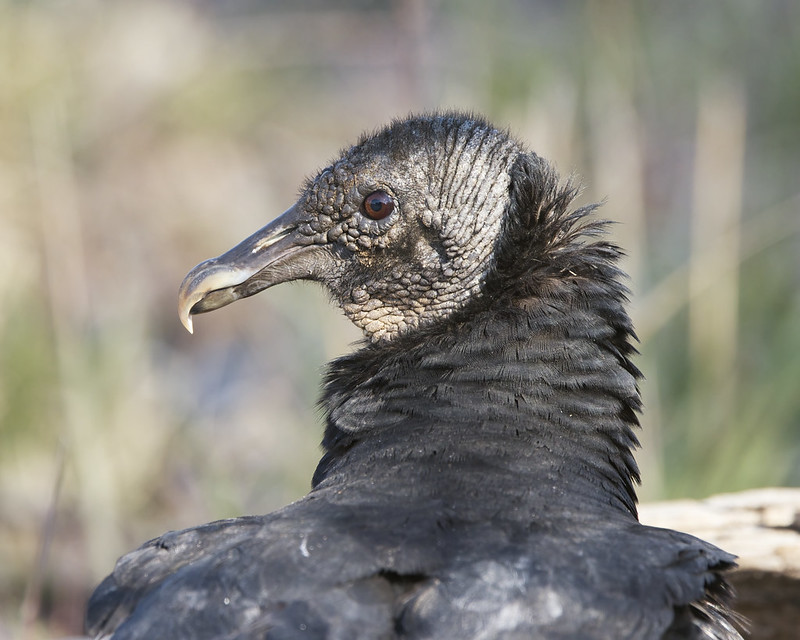
This Black Vulture was outside the nest near the road. I parked on the opposite side of the road to photograph this bird.

I photographed a rare leucistic Bald Eagle at Sequoyah National Wildlife Refuge. See the photos and learn about this unique genetic condition
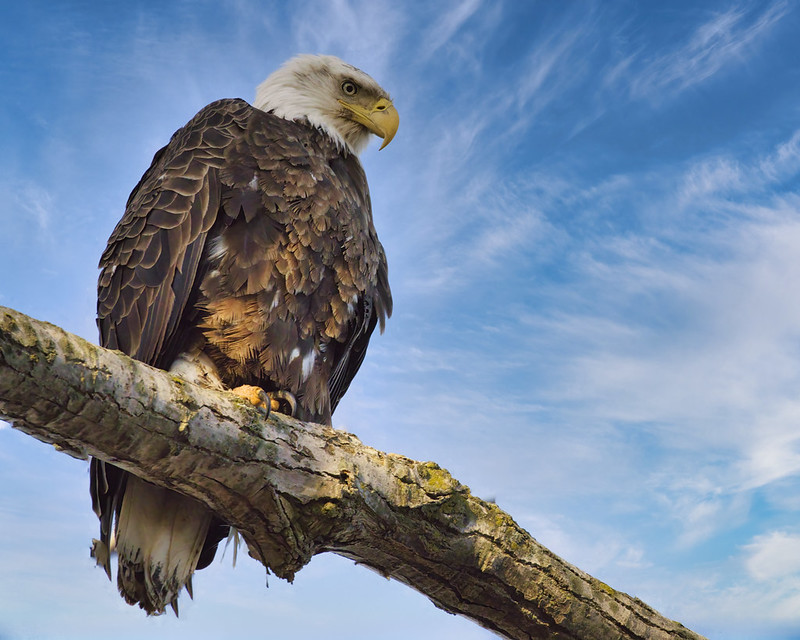
I photographed this Bald Eagle at the Sequoyah National Wildlife Refuge in Oklahoma. It was perched over the auto tour road. Bald Eagle How I Got The Photo: I drove underneath this Bald Eagle and had to open my pickup door and lean out to get this photo. I braced my camera and lens on … Read more