Carolina Chickadee on a Snowy Morning in My Arkansas Yard
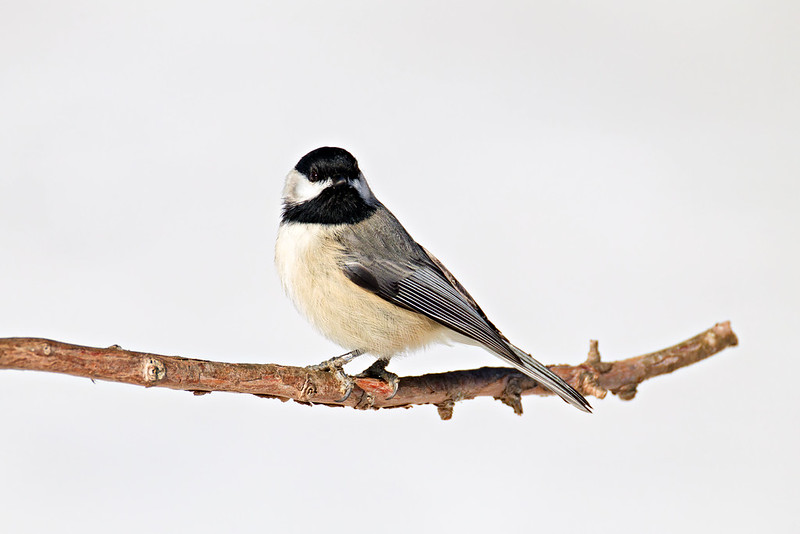
Carolina Chickadee in snow in my Arkansas yard, a quick perch photo after the storm, plus the settings I used to freeze the moment.
Bird photography can be challenging. You need the right gear. A good camera and lens are key. Settings matter too. Fast shutter speeds help freeze motion. Learn how to adjust ISO and aperture. Techniques are important. Think about composition. Get close-ups. Try aerial shots. Capture birds in their habitat. Patience is needed. Birds move quickly. They can be hard to find. Study bird behavior. Know where they live. Understand their habits. This will help you get better photos.
Carolina Chickadee in snow in my Arkansas yard, a quick perch photo after the storm, plus the settings I used to freeze the moment.
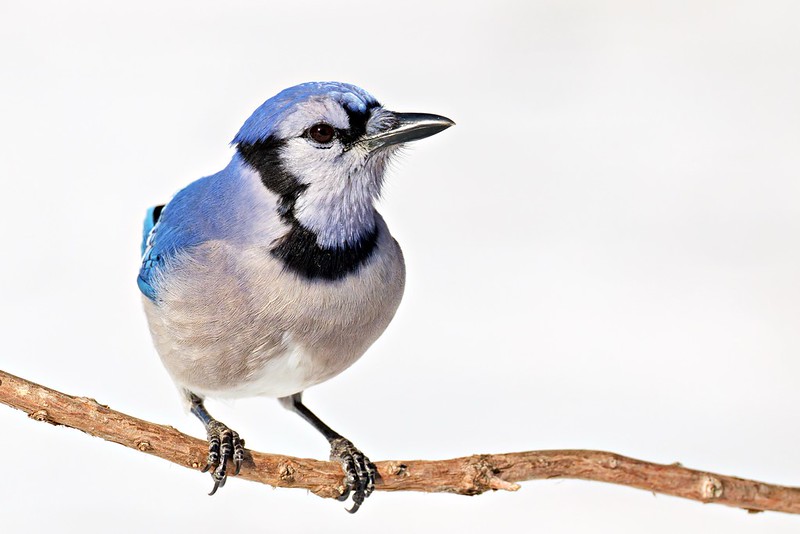
A backyard Blue Jay stands out against fresh Arkansas snow. Winter habits, yard activity, and the photo settings I used to nail the exposure.

White-throated Sparrow in fresh snow, photographed in my Arkansas yard, with field notes and the settings I used on the Canon R5 Mark II.
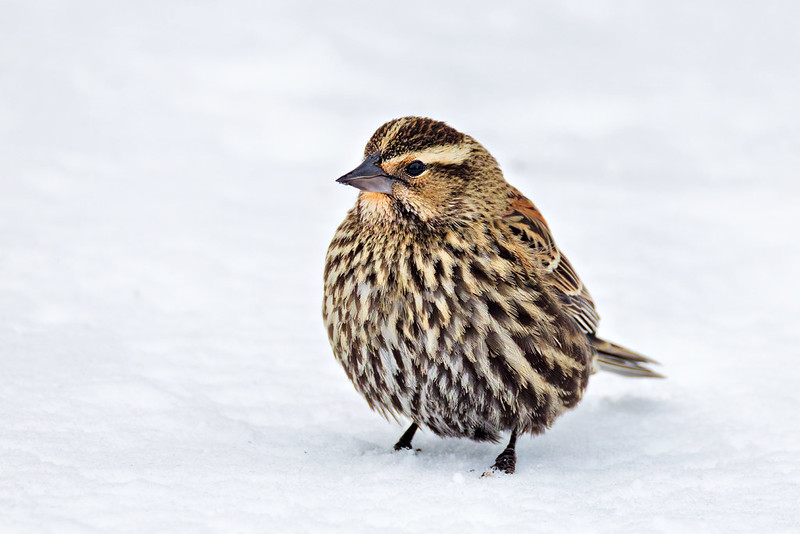
Female Red-winged Blackbird after snow in my Arkansas yard, with winter yard notes and Canon R5 Mark II settings from the deck rail.
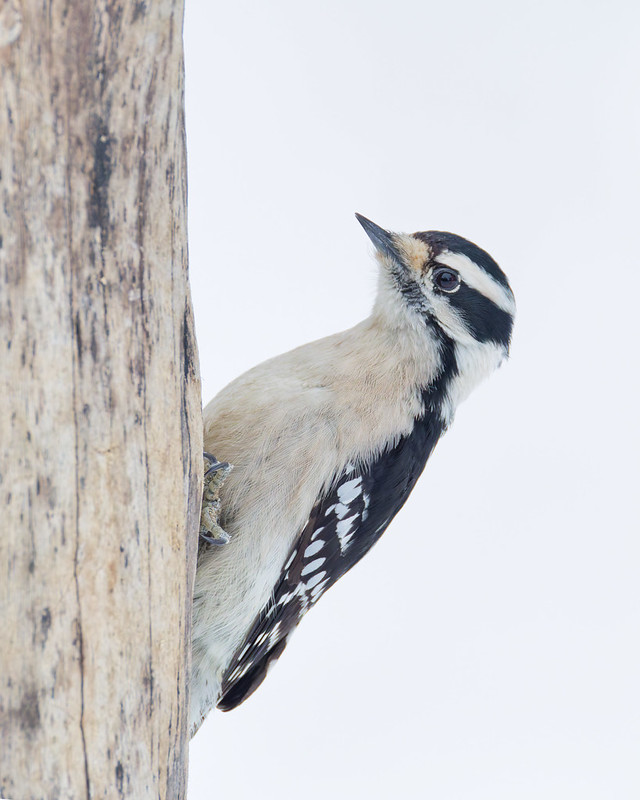
Downy Woodpecker snow photo from my Arkansas yard, plus wildlife notes, camera settings, and links to my backyard snow bird series.
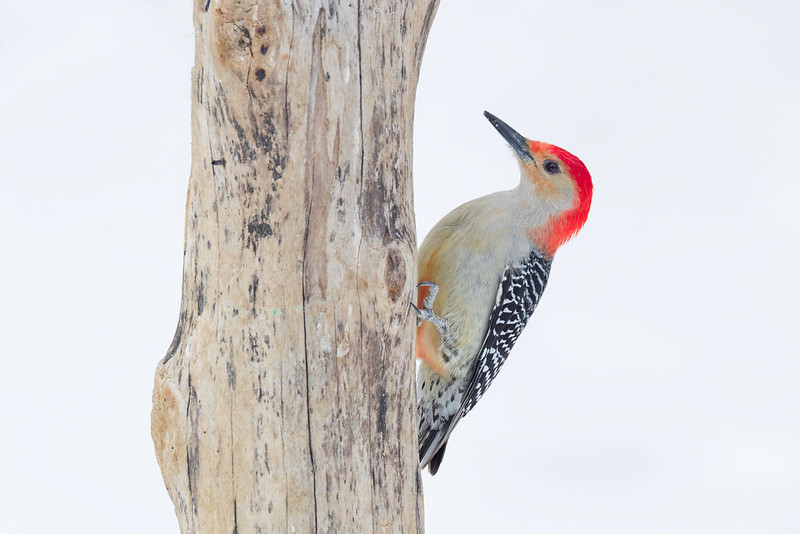
Red-bellied woodpecker clings to my weathered suet log after an Arkansas snowstorm, a bright flash of red against the white.
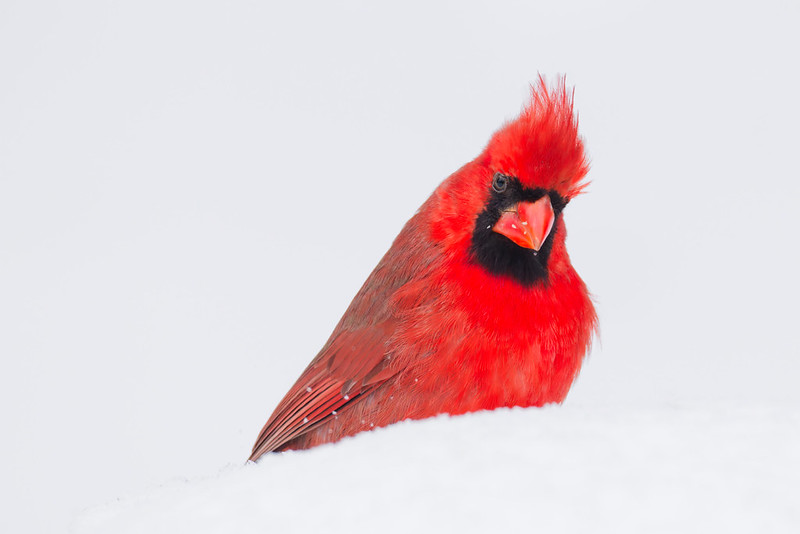
Male northern cardinal glowing red against fresh snow in my Arkansas yard. See the photos, settings, and beanbag setup from the deck rail.
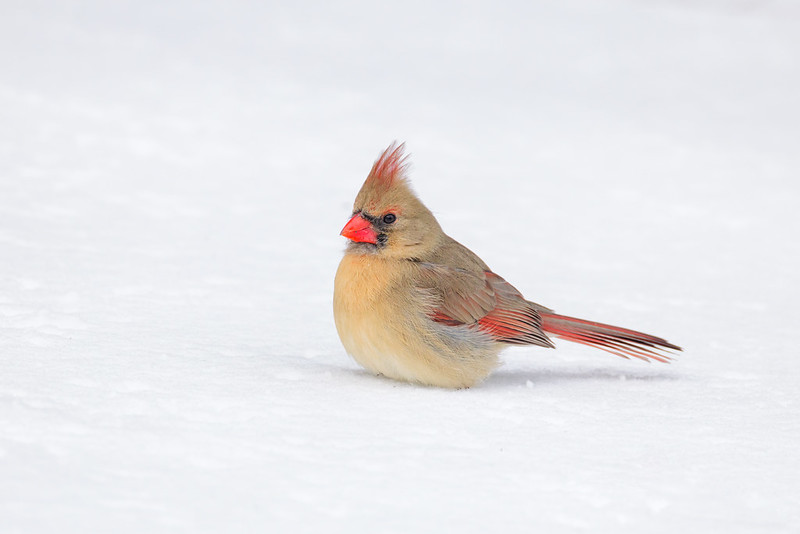
Female northern cardinal photos from my Arkansas yard after a fresh snow, plus the exact settings and beanbag setup. See the full set.