Black Vulture Nest Site in a Hollow Tree

I photographed a Black Vulture nest site at Sequoyah National Wildlife Refuge and watched a familiar pair inspect a hollow tree.
Bird photography can be challenging. You need the right gear. A good camera and lens are key. Settings matter too. Fast shutter speeds help freeze motion. Learn how to adjust ISO and aperture. Techniques are important. Think about composition. Get close-ups. Try aerial shots. Capture birds in their habitat. Patience is needed. Birds move quickly. They can be hard to find. Study bird behavior. Know where they live. Understand their habits. This will help you get better photos.
I photographed a Black Vulture nest site at Sequoyah National Wildlife Refuge and watched a familiar pair inspect a hollow tree.

A hovering Northern Harrier hunts over an Oklahoma field while I photograph its controlled flight from inside my pickup.

I was surprised to see the Carolina Chickadees investigating the same birdhouse that the Eastern Bluebirds were interested in.

Join me on a wildlife photography journey as I document Eastern Bluebirds checking out my birdhouse. Eastern Bluebirds are frequent visitors to my backyard…

A female Northern Harrier dives into brush at Sequoyah National Wildlife Refuge after flying low over an Oklahoma field.
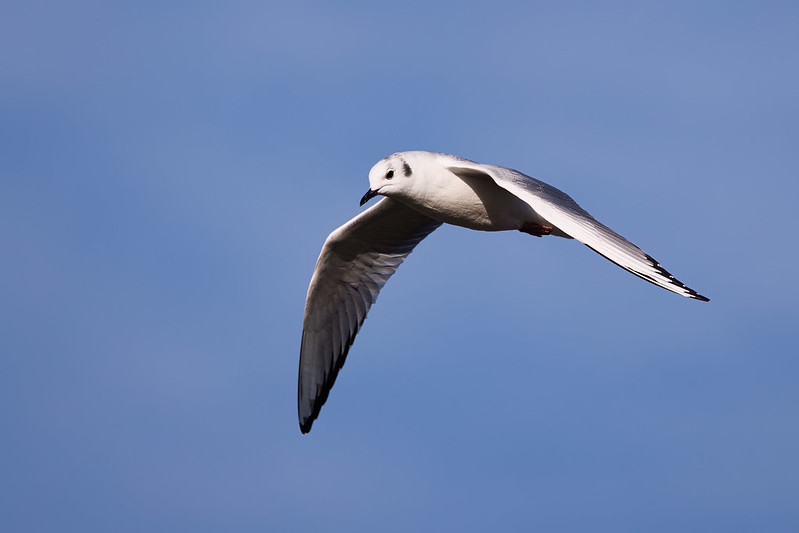
Bonaparte’s gull flight over Sandtown Trail at Sequoyah NWR, with camera settings and tips for crisp in-flight frames. See the photos.

I was lucky enough to capture a unique shot of a Bald Eagle that was perched on a different spot on the tree. The eagle was scratching an itch.

To photograph this male Dark-eyed Junco, I had to lean out of my pickup truck and brace my camera and lens on the door frame, as the Junco flitted about in…