Second Bluebird Brood Fledges From My Arkansas Birdhouse
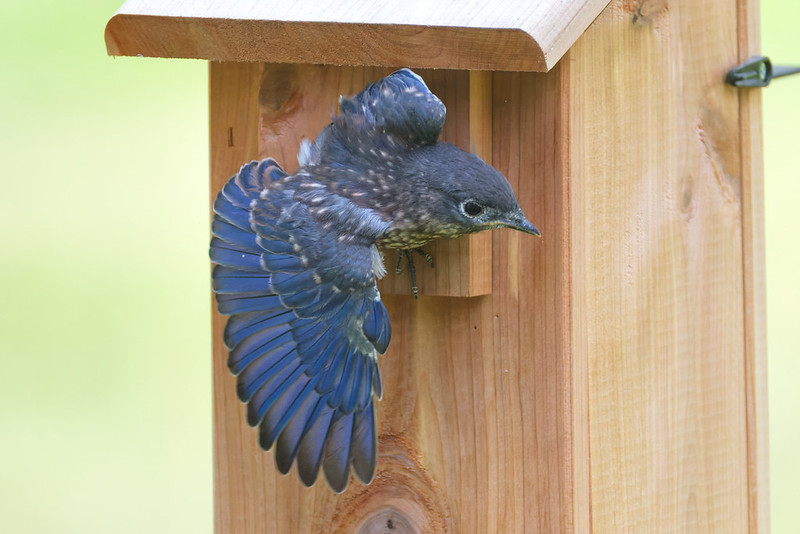
Second Bluebird Brood leaves my Arkansas birdhouse as I photograph both young birds taking their first flights within minutes.
Bird photography can be challenging. You need the right gear. A good camera and lens are key. Settings matter too. Fast shutter speeds help freeze motion. Learn how to adjust ISO and aperture. Techniques are important. Think about composition. Get close-ups. Try aerial shots. Capture birds in their habitat. Patience is needed. Birds move quickly. They can be hard to find. Study bird behavior. Know where they live. Understand their habits. This will help you get better photos.
Second Bluebird Brood leaves my Arkansas birdhouse as I photograph both young birds taking their first flights within minutes.
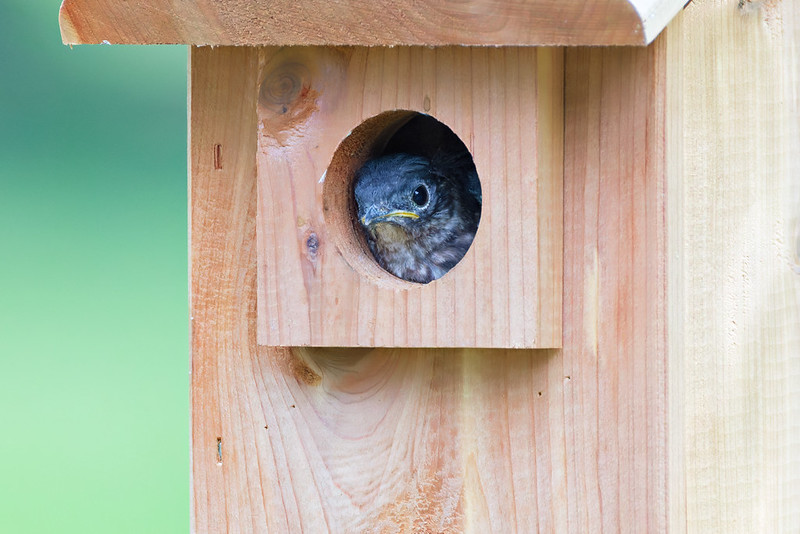
Young Eastern Bluebirds appear at my Arkansas birdhouse as I compare this brood’s slower feeding pattern with the first nest.
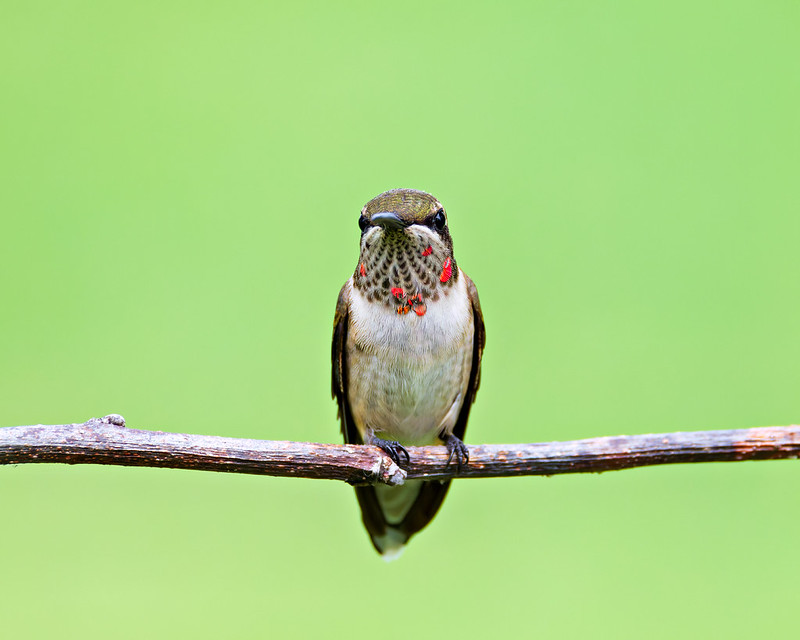
Male Ruby-throated Hummingbirds show changing throat patterns in July, from one red feather to a mature ruby gorget in Arkansas.
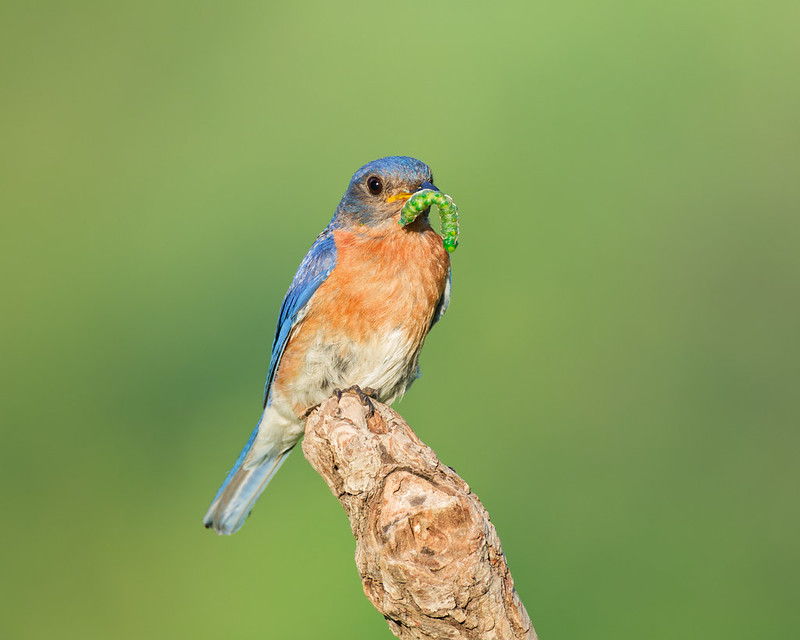
Eastern Bluebird With Caterpillar pauses in my Arkansas yard as both parents keep feeding their chicks during the extreme heat.