A recent NBC News article reported on a neuroscience study showing that experienced birdwatchers had denser brain tissue in areas tied to attention, perception, and memory. Researchers found that identifying birds engages multiple parts of the brain at once. Visual recognition, pattern detection, and recall all work together. Over time, this kind of mental activity may support cognitive function as we age.
You can read the full study summary here: ‘Birdbrain’ benefits: How being an expert birdwatcher may boost cognition
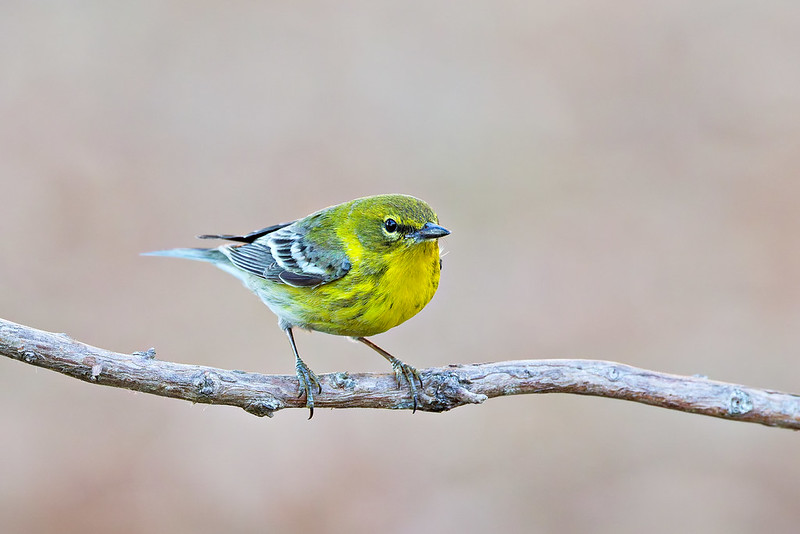
How Backyard Birding Supports Brain Health
This makes sense to me. Bird photography has always required focus and patience. Even in my own yard, I am constantly scanning movement, listening for calls, and recognizing shapes before I ever raise the camera. These small mental exercises happen naturally. They keep both my eyes and my mind active.
Backyard bird photography is one of the easiest ways to experience these benefits.
Here are three practical tips that work well:
- Photograph from a fixed location
Sit in the same chair, on your deck, or near a window. Birds become comfortable with your presence. This gives you more time to observe behavior and improves your reaction time. - Learn your regular visitors
The more familiar you become with common species, the faster you recognize unusual movement. This improves both your photography success and your mental recall. - Keep your camera ready
I keep my camera within reach during peak activity hours. Raising the camera quickly reinforces hand-eye coordination and attention.
You do not need to travel far to benefit from birding. Your own yard can provide both meaningful wildlife photography and mental stimulation. The longer you do it, the more you notice. And the more you notice, the more your brain stays engaged.