The Dangers of Fishing Line to Wildlife

A photographer’s perspective on the harm discarded and lost fishing line can cause birds and other animals, with a call to action to properly dispose of line.
Bird photography can be challenging. You need the right gear. A good camera and lens are key. Settings matter too. Fast shutter speeds help freeze motion. Learn how to adjust ISO and aperture. Techniques are important. Think about composition. Get close-ups. Try aerial shots. Capture birds in their habitat. Patience is needed. Birds move quickly. They can be hard to find. Study bird behavior. Know where they live. Understand their habits. This will help you get better photos.
A photographer’s perspective on the harm discarded and lost fishing line can cause birds and other animals, with a call to action to properly dispose of line.

Thrilled to spot Scissor-tailed Flycatchers at Sequoyah National Wildlife Refuge in Oklahoma during late October.

A wildlife photography blog post about spotting and photographing a Great Blue Heron at Torraine Lake in Fort Smith, Arkansas.
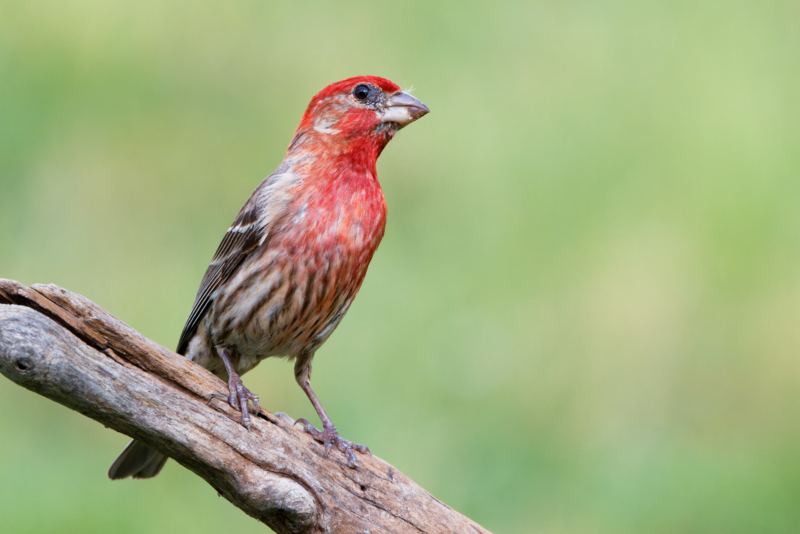
House Finch vs Purple Finch: Compare color, streaks, and facial markings with photos of these visitors to my Arkansas backyard feeders.