Wildlife photography telephoto lens techniques let you capture detail, behavior, and emotion while keeping a safe distance. Long lenses are essential tools, however they come with challenges like stability, depth of field, and framing. This guide explains how to use telephoto lenses more effectively so your images stay sharp, intentional, and impactful.
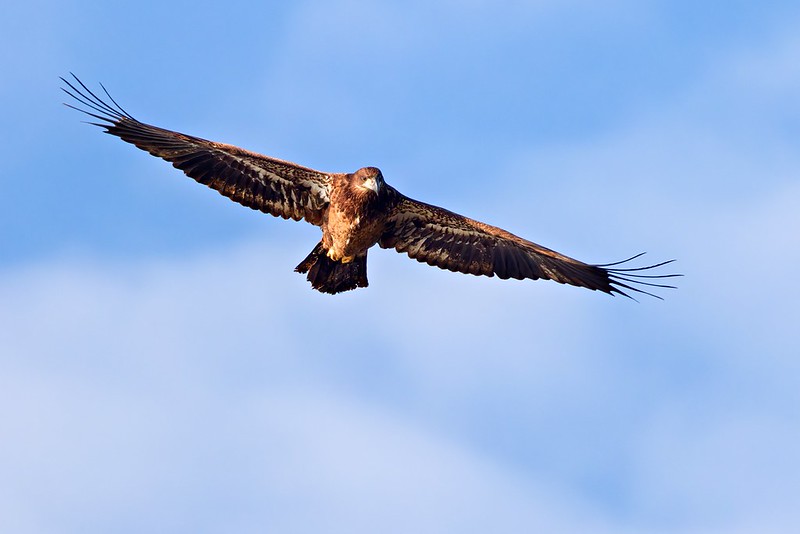
A telephoto lens does more than magnify the subject. It changes perspective, compresses backgrounds, and magnifies every mistake. Learning how to manage those effects separates average wildlife photos from strong ones.
Wildlife Photography Telephoto Lens Techniques for Sharp Results
Sharpness starts with stability. Long lenses amplify camera shake, so your technique matters as much as your settings. I follow a simple rule when shooting wildlife handheld: keep shutter speed at least double the focal length.
For example, with a 500mm lens, I aim for 1/1000 or faster. Modern mirrorless stabilization helps reduce camera shake, but it does not freeze animal movement. If the subject moves, stabilization alone will not save the shot. For a deeper look at timing, tracking, and reaction speed, I break this down further in my guide to photographing fast-moving wildlife.

Good hand placement also matters. Tuck your elbows in, support the lens barrel, and control breathing before pressing the shutter. These habits reduce blur more than any menu setting.
Wildlife Photography Telephoto Lens Techniques for Depth of Field Control
Long lenses create very shallow depth of field, especially at close distances. I explain this balance in more detail in my article on depth of field control in wildlife photography, where small adjustments can dramatically improve keeper rates. This makes backgrounds smooth, however it also means focus errors show quickly. Always prioritize the eye, even if other parts fall slightly soft.

Stopping down to f/5.6 or f/7.1 adds breathing room without killing background blur. For example, when photographing foxes at close range, f/6.3 keeps both eyes sharp while still separating the subject from grass.
In addition, increase the distance between subject and background when possible. That single move improves subject isolation more than opening the aperture further.
Framing and Composition With Long Lenses
Telephoto lenses narrow your field of view, which makes framing harder but more deliberate. You must think about composition before the animal enters the frame. Cropping later works, however strong framing in camera always looks cleaner.
Watch the edges closely. Branches, bright patches, and partial objects creep in fast with tight framing. I often leave a bit more space than needed so I can trim later without cutting off important elements. If you want to refine this approach, my post on natural framing in wildlife photography shows how to use surroundings to guide the viewer’s eye without clutter.

For example, with perched birds, I leave room in the direction they face. That space gives the image balance and keeps it from feeling cramped.
Wildlife Photography Telephoto Lens Techniques for Field Mobility
Big lenses slow you down. Planning matters more than chasing. Instead of walking constantly, I pick strong locations and let animals come to me. This reduces fatigue and improves shot consistency.

Using a monopod or gimbal head saves energy during long sessions, even with lighter mirrorless systems. However, I still practice handheld shooting because quick moments often happen before support is ready.
In addition, learn your minimum focus distance. Many missed shots happen because the animal moves too close and the lens cannot focus. Knowing that limit helps you react faster.
Common Mistakes to Avoid
One major mistake is relying on extreme focal lengths when shorter lenses would work better. If the animal fills the frame at 300mm, using 600mm only limits composition and increases shake.
Another mistake is shooting wide open all the time. Maximum aperture looks great, however it leaves no margin for error. Slightly stopping down improves keeper rates without hurting image quality.
Telephoto lenses reward patience and discipline. When you slow down, stabilize, and think through each frame, your success rate climbs fast.
Good information !