Immature Osprey Catches a Fish at Fort Supply Lake
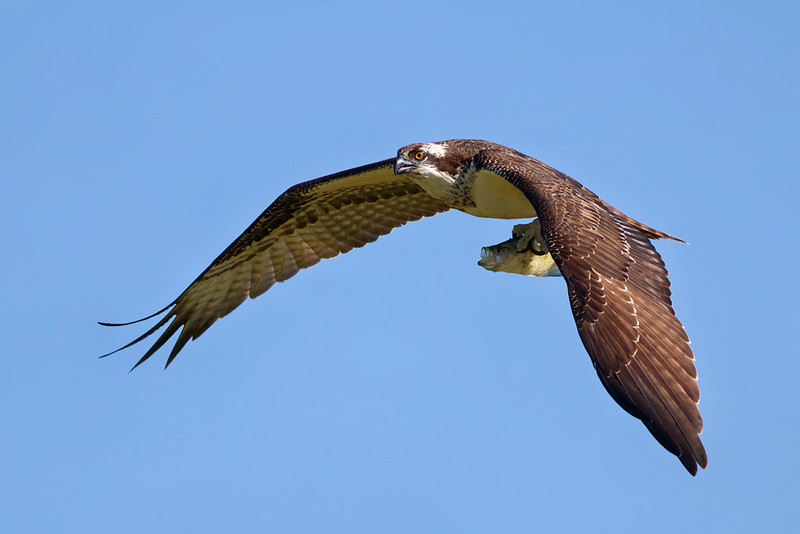
I photographed an immature osprey with fish at Fort Supply Lake in Oklahoma after spotting the young bird among vultures in a dead tree.
Bird photography can be challenging. You need the right gear. A good camera and lens are key. Settings matter too. Fast shutter speeds help freeze motion. Learn how to adjust ISO and aperture. Techniques are important. Think about composition. Get close-ups. Try aerial shots. Capture birds in their habitat. Patience is needed. Birds move quickly. They can be hard to find. Study bird behavior. Know where they live. Understand their habits. This will help you get better photos.
I photographed an immature osprey with fish at Fort Supply Lake in Oklahoma after spotting the young bird among vultures in a dead tree.

A heron watching a snake at Fort Supply, Oklahoma, gave me hope for a photo I have wanted for years, but it never made a strike.
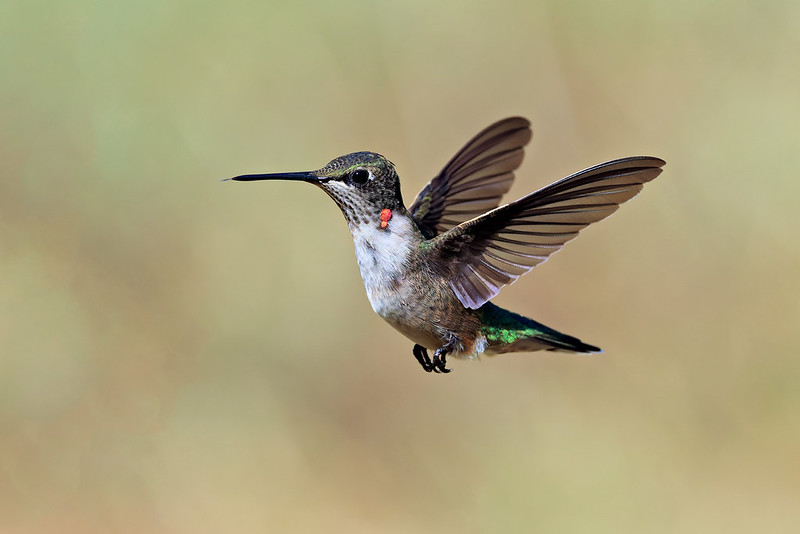
Arkansas hummingbird migration is underway as feeder visits slow in my yard during severe late-summer drought and extreme heat.
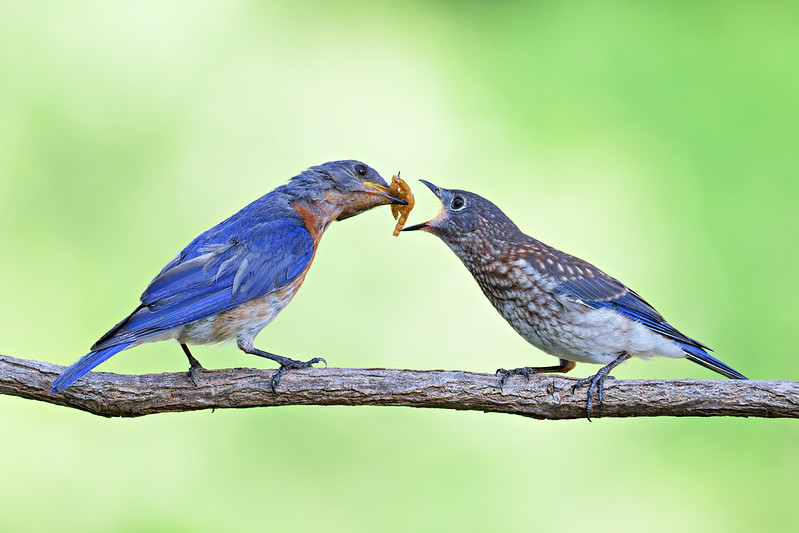
Juvenile Bluebird feeding continues in my Arkansas yard as an adult male brings a mealworm two weeks after the young bird fledged.
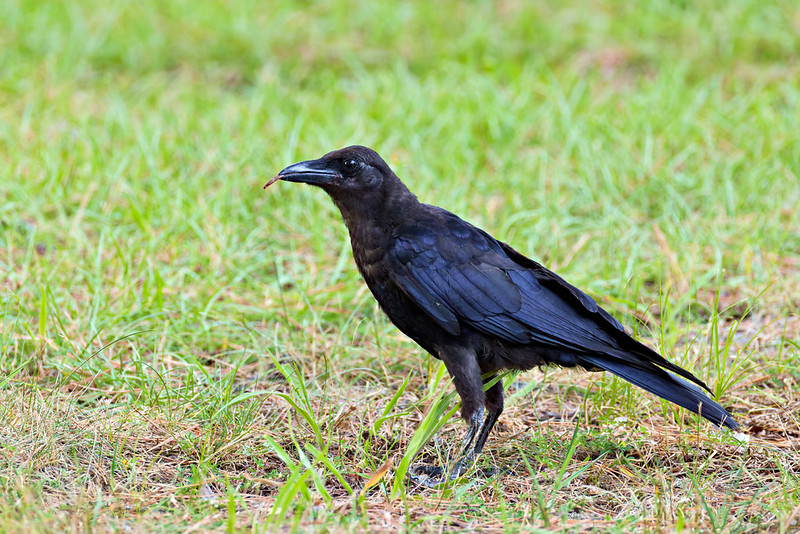
American Crow at Mount Nebo searches an Arkansas lawn for food and pauses with what appears to be a small caterpillar in its beak.
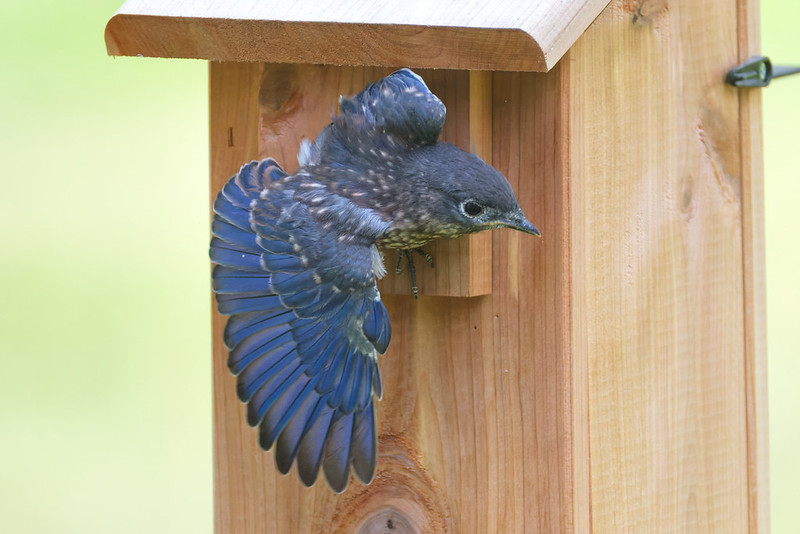
Second Bluebird Brood leaves my Arkansas birdhouse as I photograph both young birds taking their first flights within minutes.
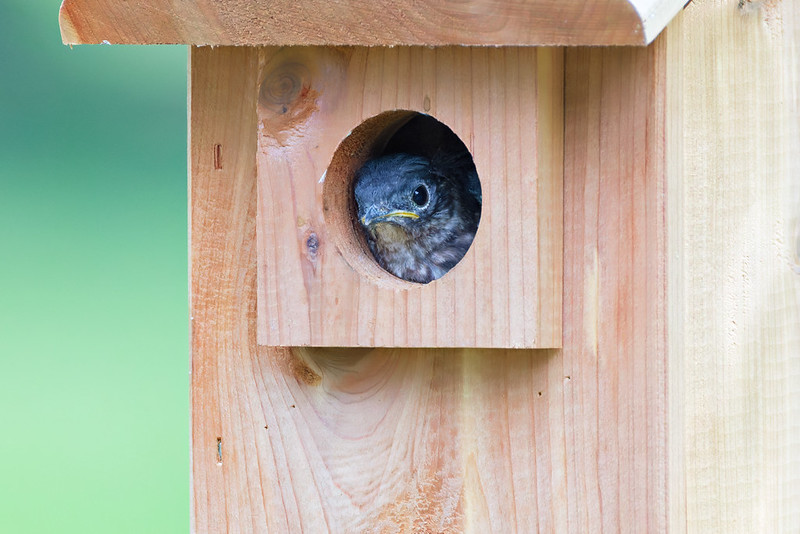
Young Eastern Bluebirds appear at my Arkansas birdhouse as I compare this brood’s slower feeding pattern with the first nest.
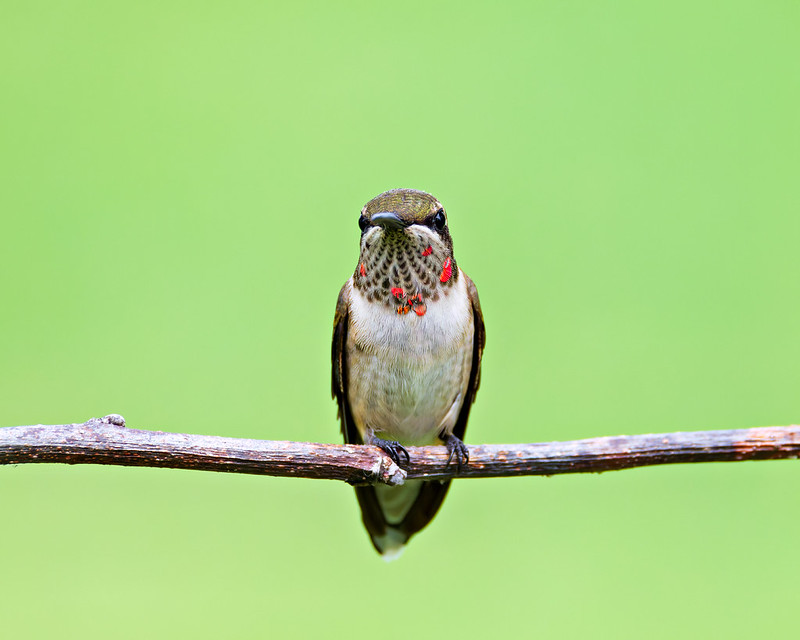
Male Ruby-throated Hummingbirds show changing throat patterns in July, from one red feather to a mature ruby gorget in Arkansas.