Great Blue Heron On A Cold January Day
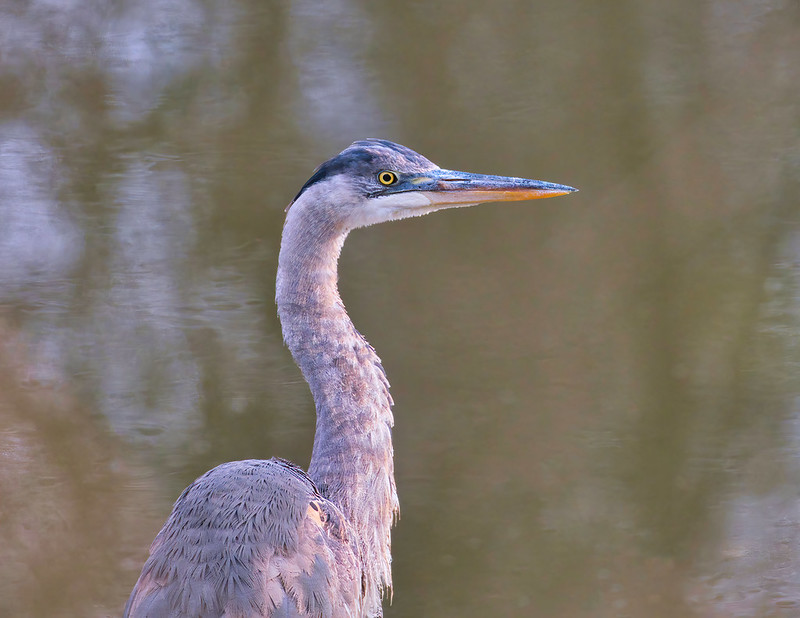
Photograph of a Great Blue Heron at Sequoyah National Wildlife Refuge in Oklahoma. Captured handheld with Fujifilm X-T3 and Canon 100-400mm lens.
Bird photography can be challenging. You need the right gear. A good camera and lens are key. Settings matter too. Fast shutter speeds help freeze motion. Learn how to adjust ISO and aperture. Techniques are important. Think about composition. Get close-ups. Try aerial shots. Capture birds in their habitat. Patience is needed. Birds move quickly. They can be hard to find. Study bird behavior. Know where they live. Understand their habits. This will help you get better photos.
Photograph of a Great Blue Heron at Sequoyah National Wildlife Refuge in Oklahoma. Captured handheld with Fujifilm X-T3 and Canon 100-400mm lens.
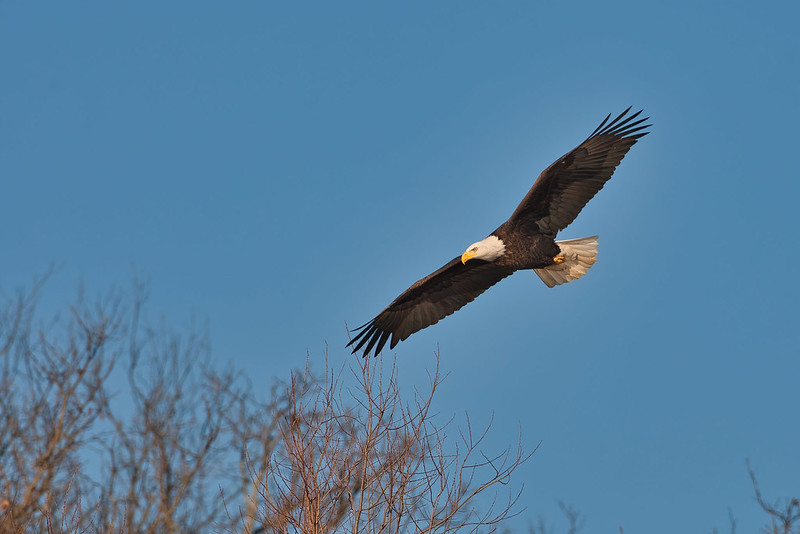
Bald Eagle soaring over treetops at City Lake in Charleston, Arkansas, captured with Canon gear. Details on technique and settings shared.
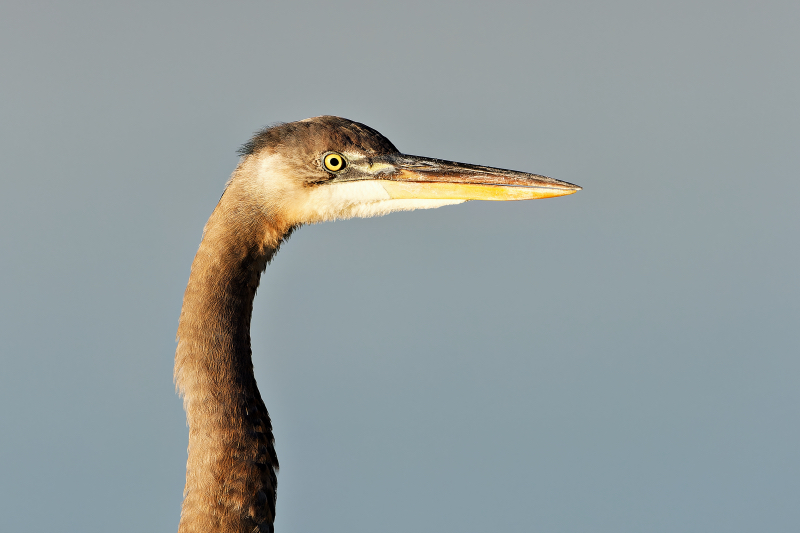
Photograph of a Great Blue Heron at Charleston Lake, Arkansas, capturing its peaceful pose and stunning details on a calm December morning.
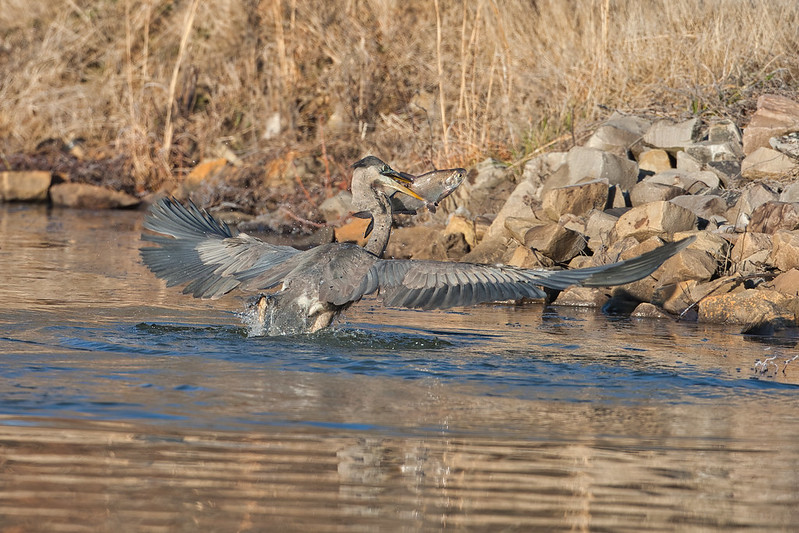
Great Blue Heron swallows a large Freshwater Drum at City Lake, Arkansas. See this impressive wildlife moment captured in detail.
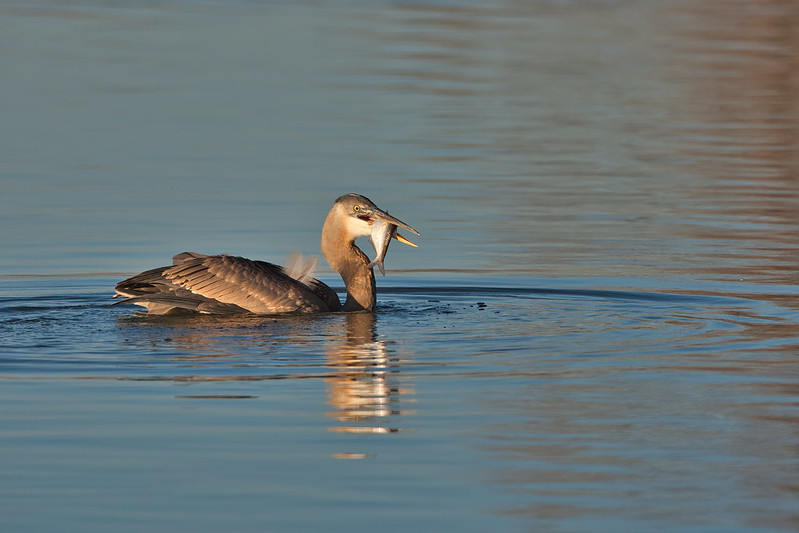
Witness a Great Blue Heron swimming with a Shad at City Lake. Learn photography tips and explore this unique wildlife moment.

Great Blue Heron in Flight photographed at Charleston City Lake, Arkansas, showing the power, grace, and timing behind a clean takeoff.
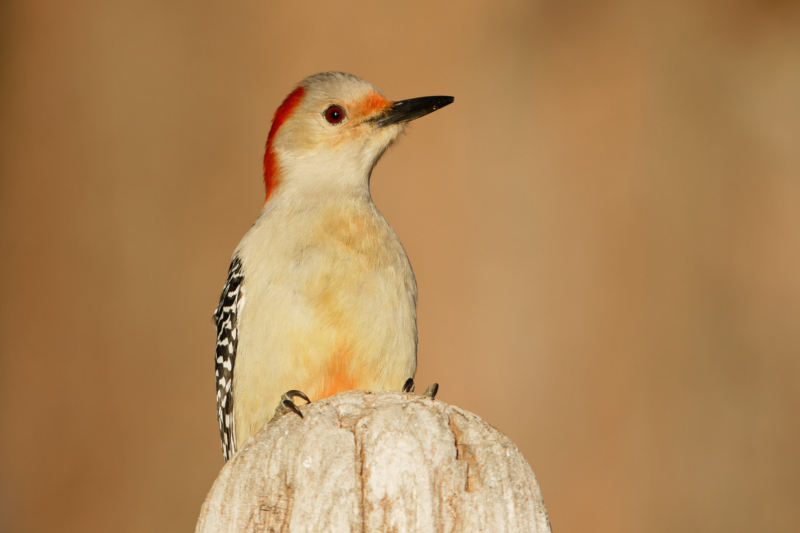
A vibrant Red-bellied Woodpecker visiting my backyard bird habitat in Arkansas. Learn more about this colorful woodpecker species.

I photographed an American Kestrel at Sequoyah National Wildlife Refuge, sharing habitat, hunting behavior, and how I captured the shot.