Heron Eating Well With An Injury
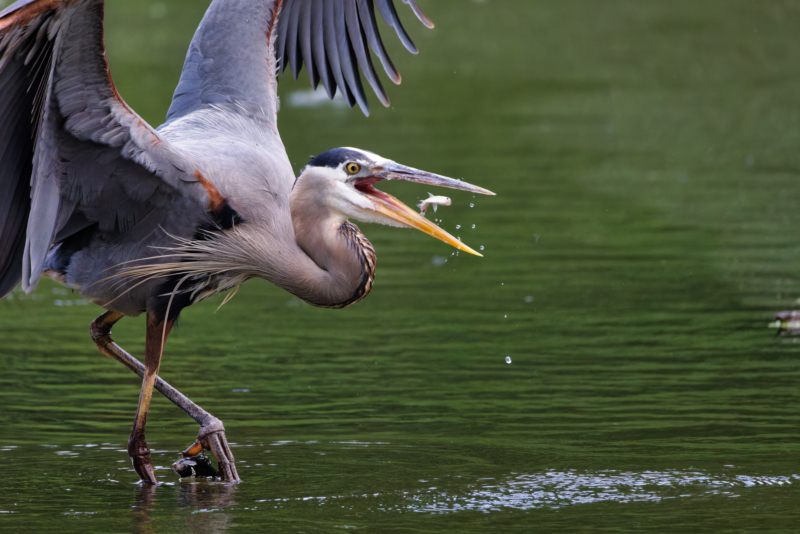
A photographer shares an update on an injured Great Blue Heron, noting its ability to adapt and survive despite having a fishing lure stuck in its foot.
Bird photography can be challenging. You need the right gear. A good camera and lens are key. Settings matter too. Fast shutter speeds help freeze motion. Learn how to adjust ISO and aperture. Techniques are important. Think about composition. Get close-ups. Try aerial shots. Capture birds in their habitat. Patience is needed. Birds move quickly. They can be hard to find. Study bird behavior. Know where they live. Understand their habits. This will help you get better photos.
A photographer shares an update on an injured Great Blue Heron, noting its ability to adapt and survive despite having a fishing lure stuck in its foot.
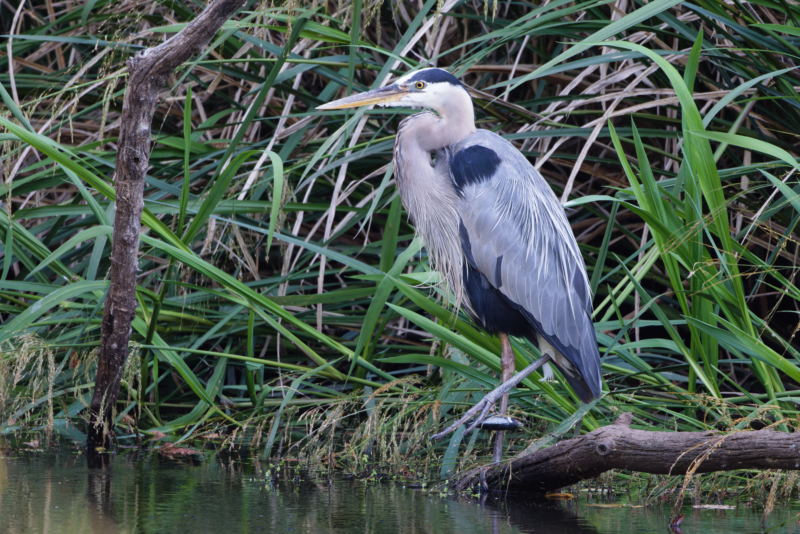
A wildlife photography shares the story of encountering an injured Great Blue Heron with a fishing lure stuck in its foot at a wildlife refuge.
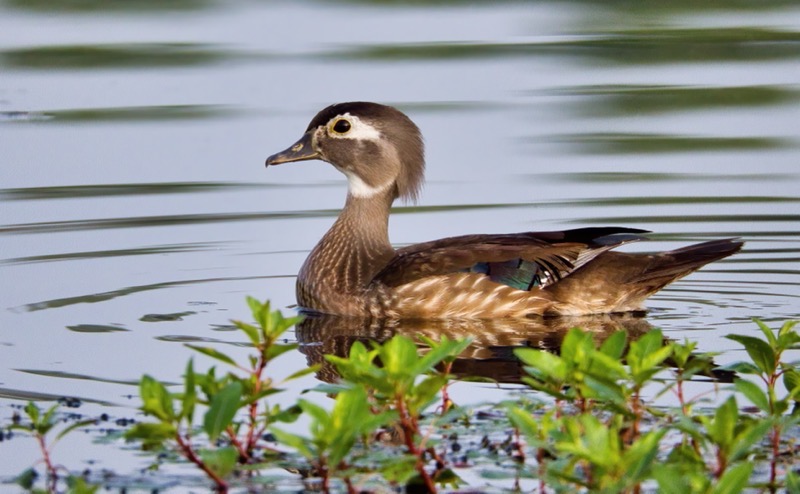
I photographed this female Wood Duck at the Sequoyah National Wildlife Refuge in Oklahoma.
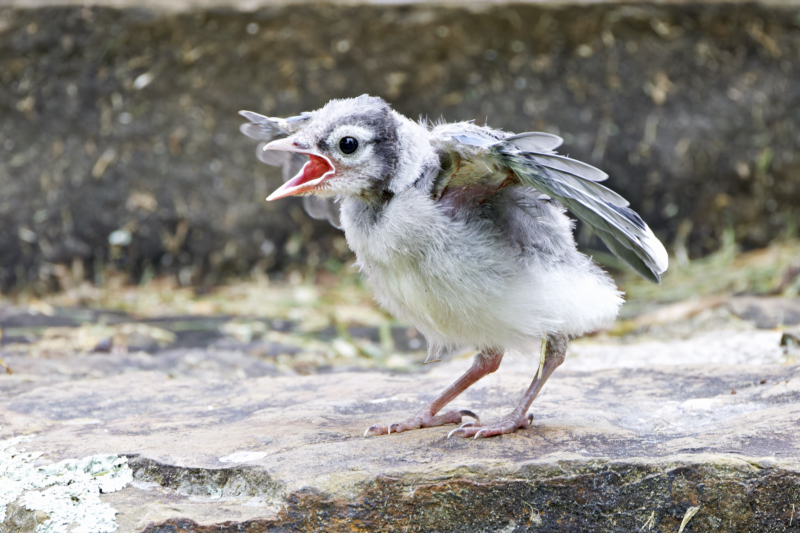
I took a photo of a hungry baby Blue Jay at the Fort Smith National Historic Site in Arkansas. Unfortunately, it started to rain, so I wasn’t able to take a picture of the bird being fed by its parents. Here are some interesting facts about baby Blue Jays: Not Blue: Baby Blue Jays aren’t … Read more

I spotted this Turkey Vulture eating a Catfish in a field at the Sequoyah National Wildlife Refuge in Oklahoma. How I Got The Shot: Turkey Vulture Eating Catfish I was turning around near the Horton Slough hiking trail parking area when I spotted this Turkey Vulture. I was able to position my pickup so that … Read more
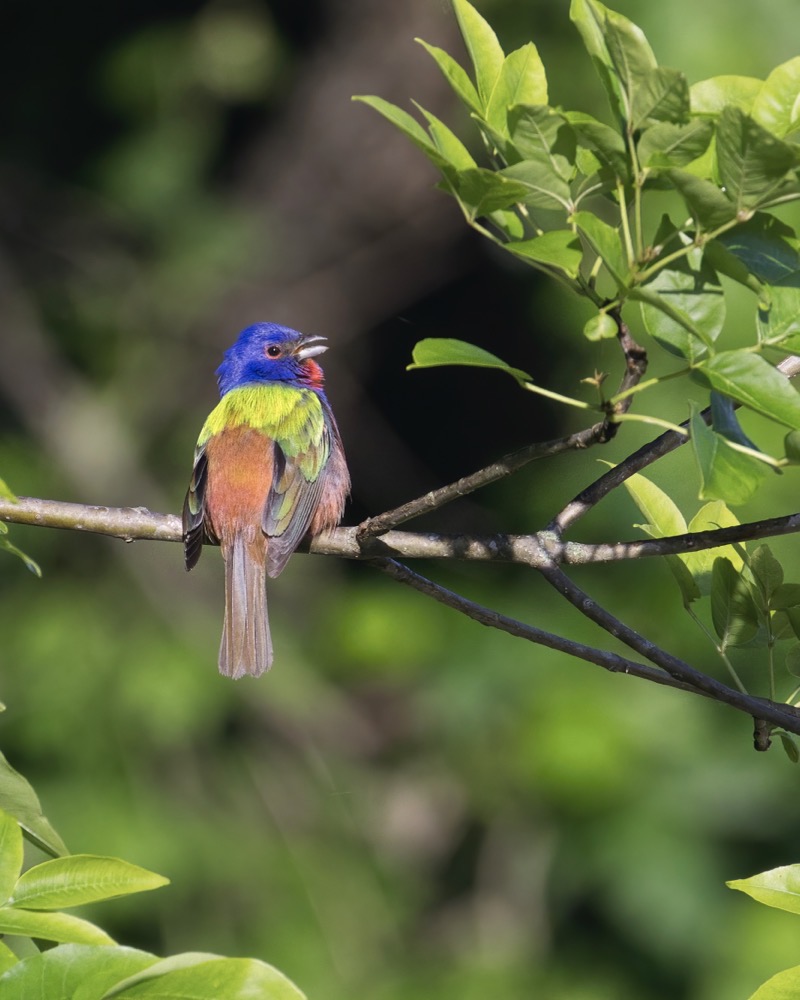
The Painted Buntings are numerous at the Sequoyah National Wildlife Refuge in Oklahoma. They are difficult for me to photograph because they like staying in the thick brush. How I Got The Shot: Painted Bunting This Painted Bunting was sitting in the middle of the road near the Dockery Slough. It flew up in a … Read more

I was surprised I got close to this Great Blue Heron for a close up portrait. They have been difficult to get close to even in my pickup. How I Got The Shot: Great Blue Heron Close Up Portrait This Great Blue Heron was near the bridge just before starting the auto tour road. This … Read more
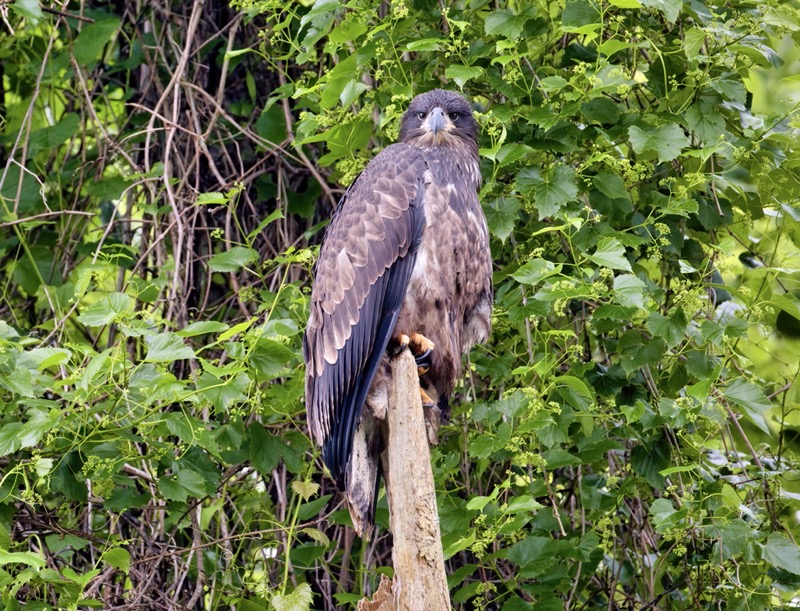
Young bald eagle close up from Sequoyah National Wildlife Refuge in Oklahoma, photographed from my pickup using it for cover and support.