American Crow at the Forest’s Edge in Arkansas

An American Crow in Arkansas pauses at the forest’s edge during molt, offering a close look at feather detail and cautious behavior.
Bird photography can be challenging. You need the right gear. A good camera and lens are key. Settings matter too. Fast shutter speeds help freeze motion. Learn how to adjust ISO and aperture. Techniques are important. Think about composition. Get close-ups. Try aerial shots. Capture birds in their habitat. Patience is needed. Birds move quickly. They can be hard to find. Study bird behavior. Know where they live. Understand their habits. This will help you get better photos.
An American Crow in Arkansas pauses at the forest’s edge during molt, offering a close look at feather detail and cautious behavior.

Wild turkey hens feed on young rye grass in an Arkansas field near the Ouachita National Forest, offering a close look at their habits.
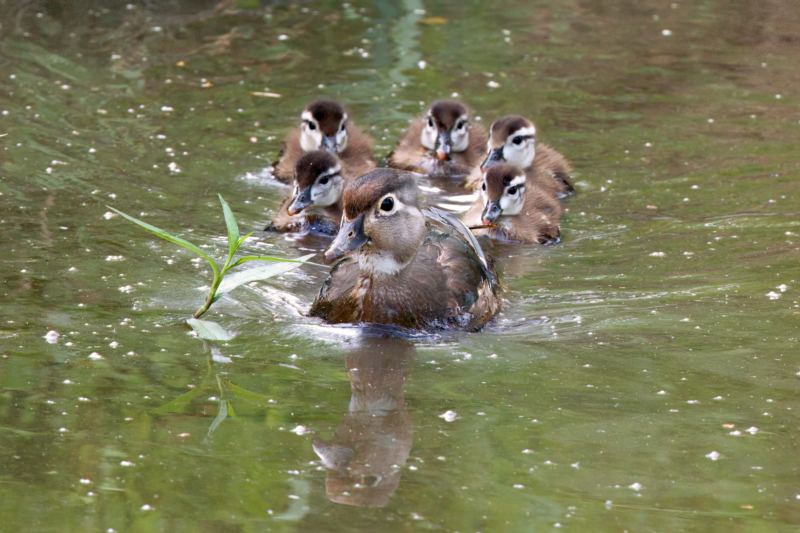
Wood Ducks at Sequoyah National Wildlife Refuge, including a rare look at ducklings and summer behavior in Oklahoma wetlands.
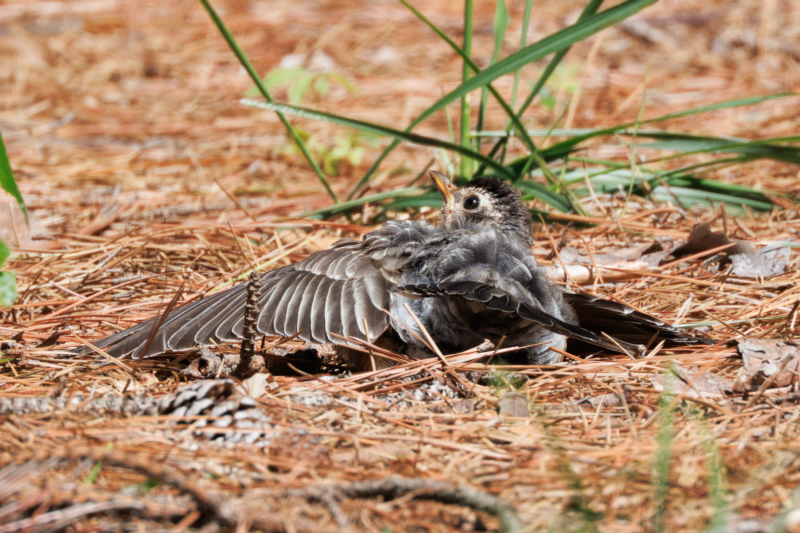
Steve Creek recounts seeing an American Robin sunbathing in his backyard and reflects on the tranquil nature of birds sunbathing.
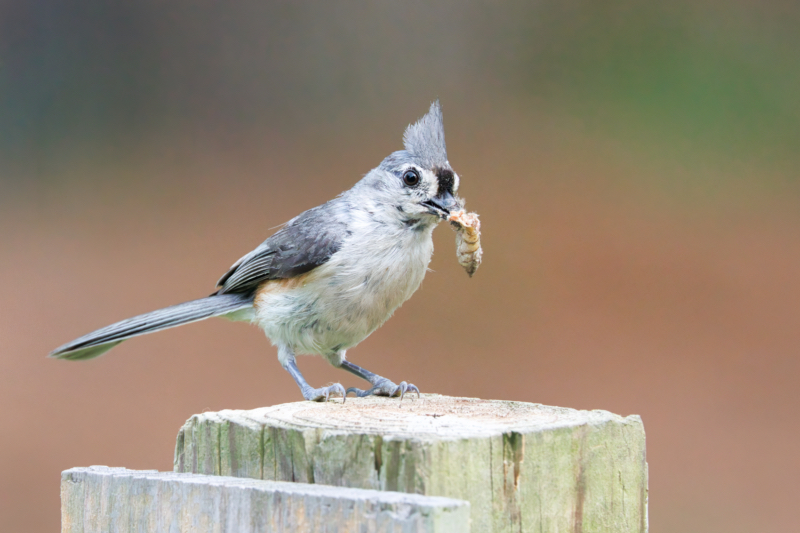
Watch a Tufted Titmouse visit a backyard suet feeder in Arkansas. See behavior, feeding habits, and close-up bird photography.

I photographed White-breasted Nuthatches in my Arkansas backyard as they climbed driftwood and visited my feeder setup.

A Yellow Warbler grabs a spider at Sequoyah Wildlife Refuge, a quick feeding moment that made this songbird encounter stand out.

I photographed a Green Heron grooming roadside at Sequoyah Refuge. These small herons hunt along water edges in late summer.