Downy Woodpecker’s Birdhouse Inspection

A wildlife photography blog post about photographing a Downy Woodpecker investigating a birdhouse in my front yard here in Arkansas.
Bird photography can be challenging. You need the right gear. A good camera and lens are key. Settings matter too. Fast shutter speeds help freeze motion. Learn how to adjust ISO and aperture. Techniques are important. Think about composition. Get close-ups. Try aerial shots. Capture birds in their habitat. Patience is needed. Birds move quickly. They can be hard to find. Study bird behavior. Know where they live. Understand their habits. This will help you get better photos.
A wildlife photography blog post about photographing a Downy Woodpecker investigating a birdhouse in my front yard here in Arkansas.

A wildlife photographer’s blog about the musical Northern Mockingbird, including details on its singing habits and images taken in the photographer’s backyard.
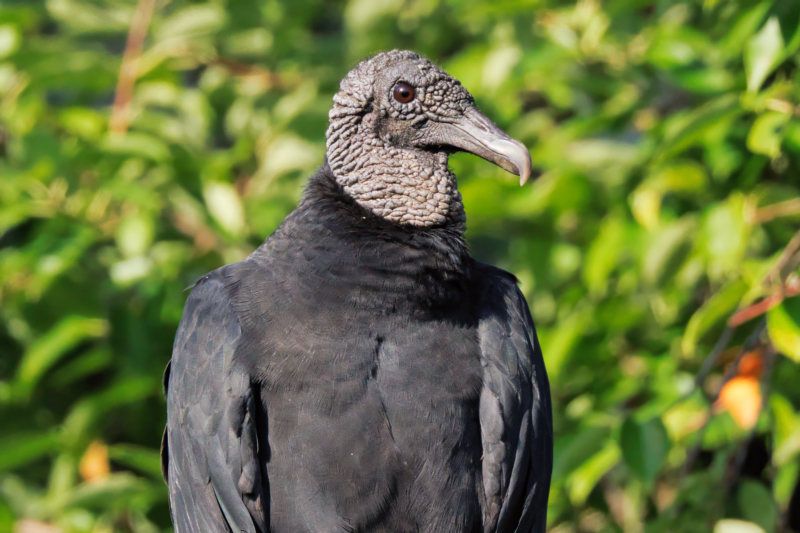
A wildlife photographer’s blog post about observing and photographing Black Vultures at Sequoyah National Wildlife Refuge in Oklahoma.
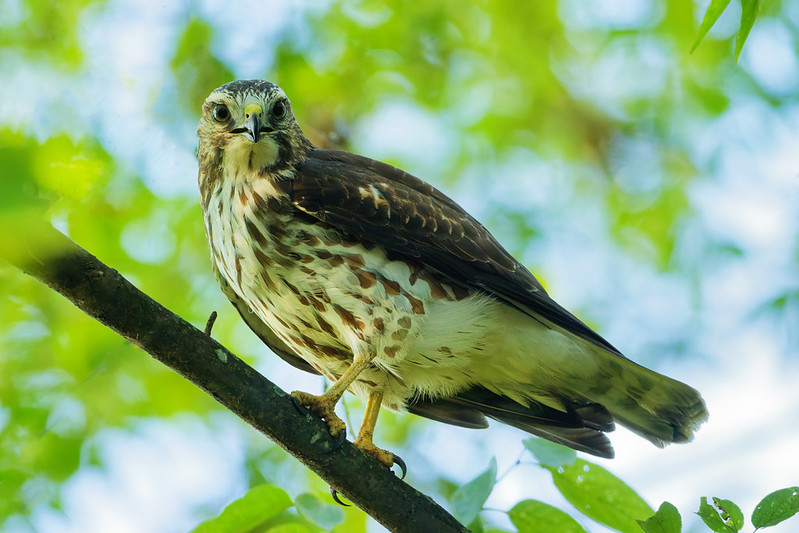
I photographed a Broad-winged Hawk at Sequoyah Refuge in Oklahoma. Read my brief field and photo notes from this wildlife encounter.

A Great Blue Heron attempts to catch insects at Sequoyah National Wildlife Refuge, showing unusual hunting behavior.
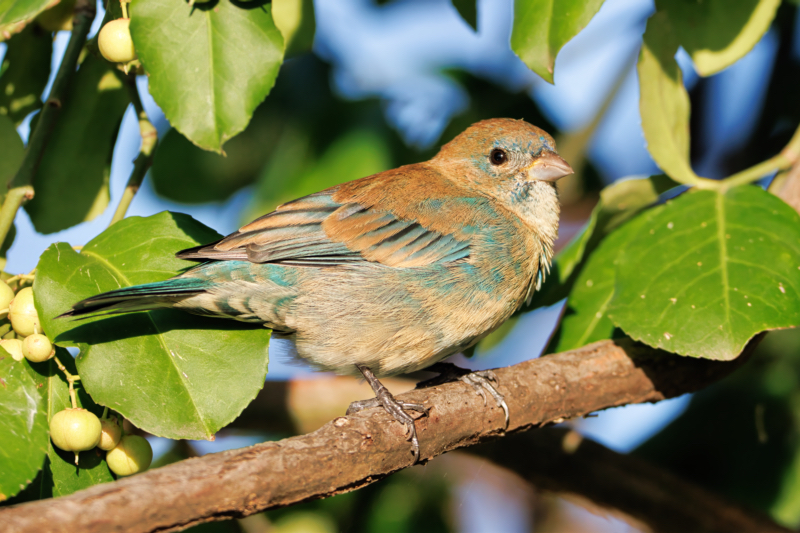
See how Indigo Bunting plumage changes from bright blue in summer to brown in winter across seasonal molts.

Downy Woodpeckers visit my Arkansas yard, offering close views of feeding behavior and backyard bird activity.
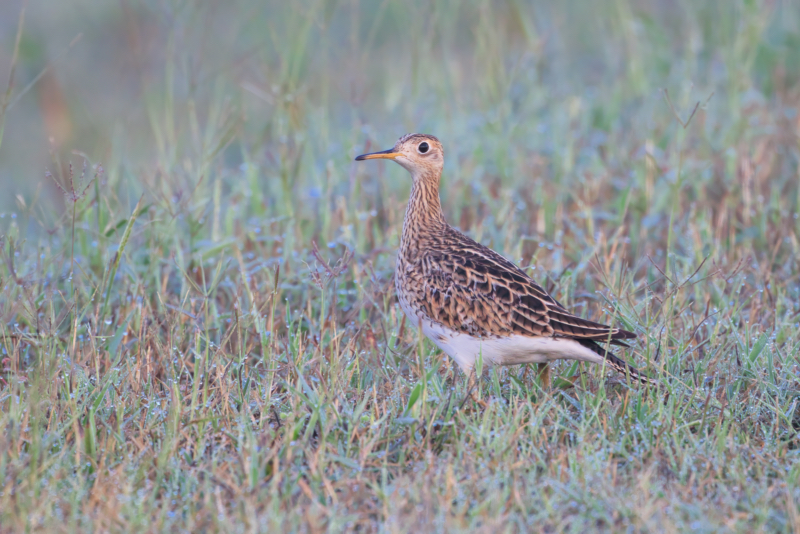
I share details and images from my second sighting of the elusive Upland Sandpiper at the Sequoyah National Wildlife Refuge in Oklahoma.