Eastern Bluebird Nesting Update: More Chicks Hatch in My Yard
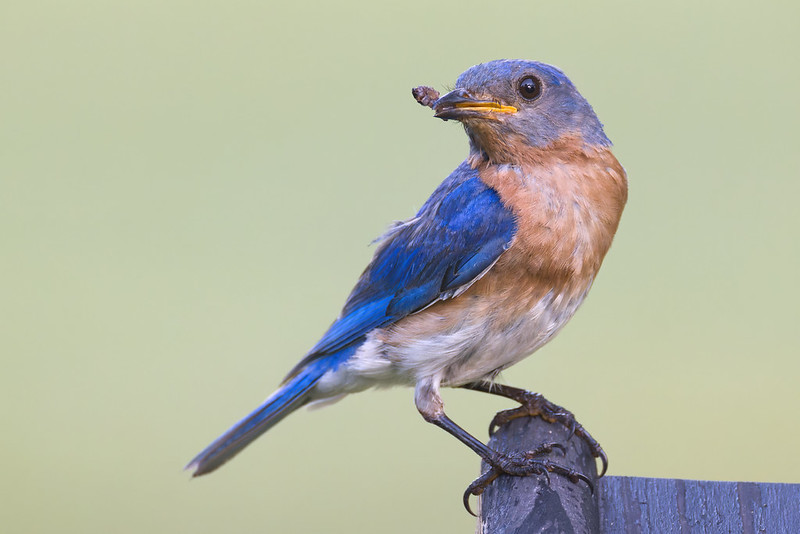
Eastern Bluebird chicks hatched today! Parents are feeding them while the second birdhouse remains quiet. Fingers crossed for more soon!
Bird photography can be challenging. You need the right gear. A good camera and lens are key. Settings matter too. Fast shutter speeds help freeze motion. Learn how to adjust ISO and aperture. Techniques are important. Think about composition. Get close-ups. Try aerial shots. Capture birds in their habitat. Patience is needed. Birds move quickly. They can be hard to find. Study bird behavior. Know where they live. Understand their habits. This will help you get better photos.
Eastern Bluebird chicks hatched today! Parents are feeding them while the second birdhouse remains quiet. Fingers crossed for more soon!
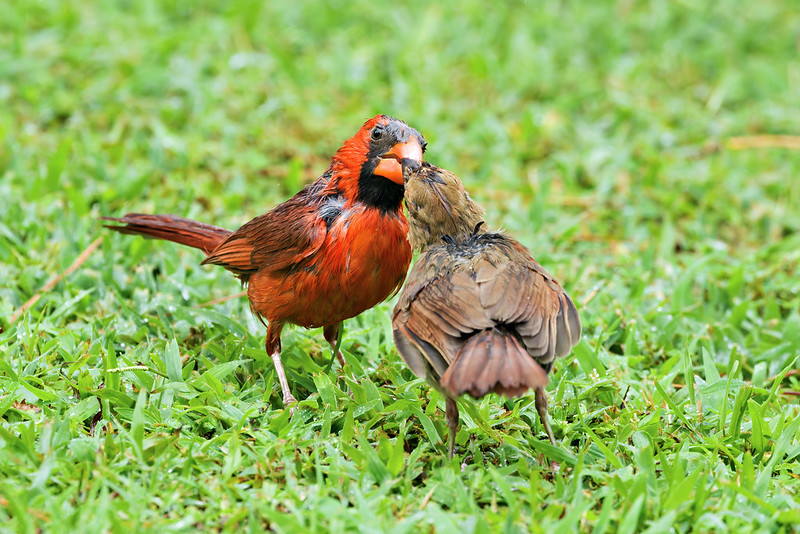
Northern Cardinal feeding juvenile after rain in Arkansas, followed by a sudden act of aggression from a female adult.
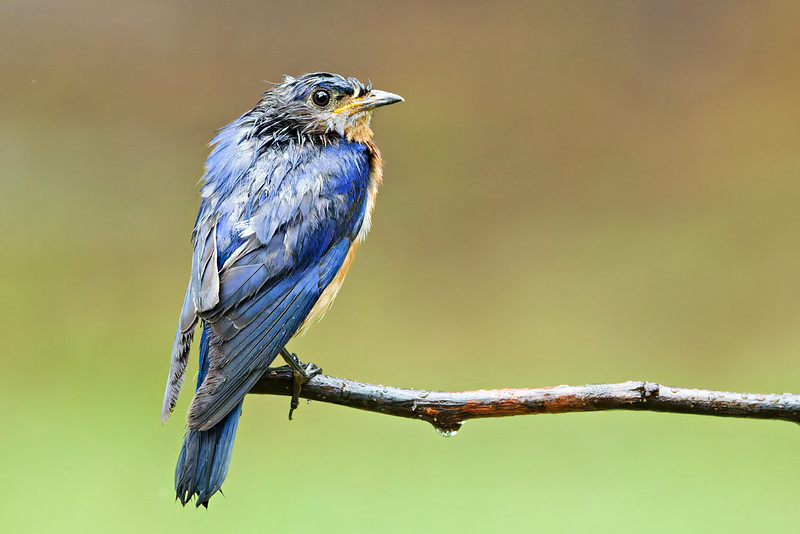
Male Eastern Bluebird in rain keeps watch by nest box, soaked but alert as he protects the nest with quiet determination.
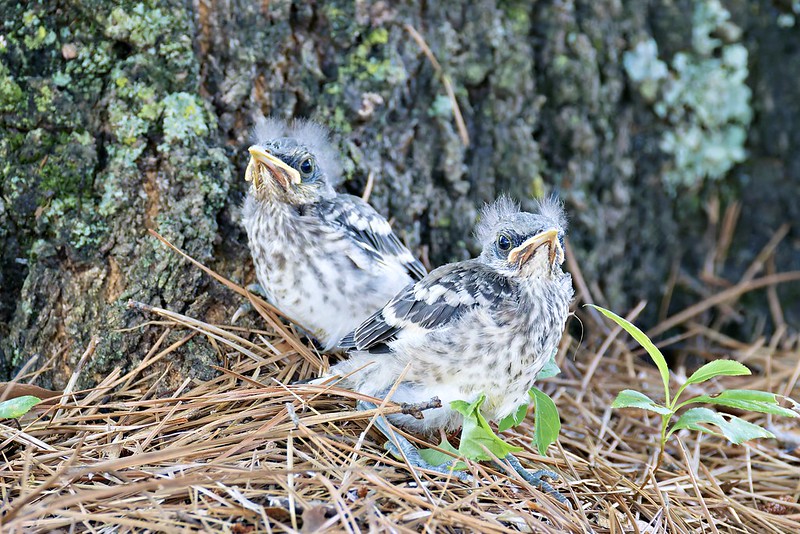
Spotted baby Northern Mockingbirds in my yard on July 4th. A rare and exciting encounter with fledglings up close.