Doris Campground Titmice and a Beak Full of Seeds
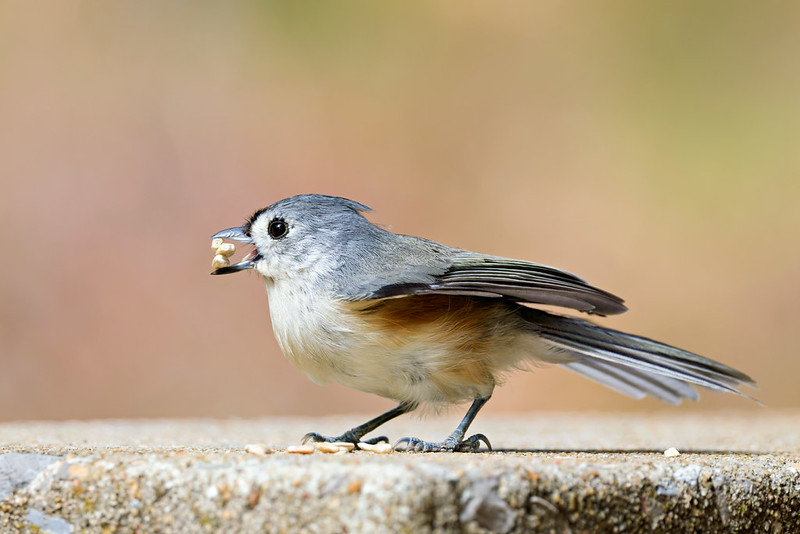
Doris Campground titmice landed on my cap, ate from my hand, and surprised me when one carried three sunflower kernels in its beak.
Bird photography can be challenging. You need the right gear. A good camera and lens are key. Settings matter too. Fast shutter speeds help freeze motion. Learn how to adjust ISO and aperture. Techniques are important. Think about composition. Get close-ups. Try aerial shots. Capture birds in their habitat. Patience is needed. Birds move quickly. They can be hard to find. Study bird behavior. Know where they live. Understand their habits. This will help you get better photos.
Doris Campground titmice landed on my cap, ate from my hand, and surprised me when one carried three sunflower kernels in its beak.
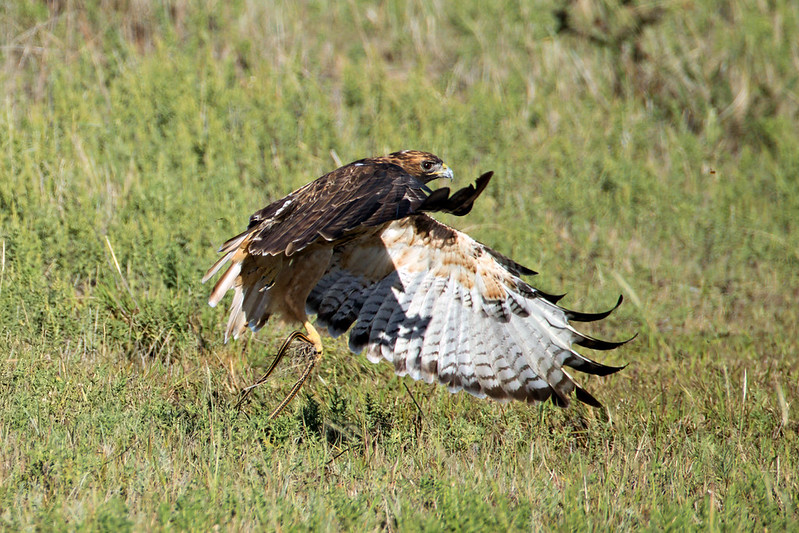
I photographed Black Mesa Red-tailed Hawks during my Oklahoma camping trip, from a rocky perch to a tough takeoff with a snake.
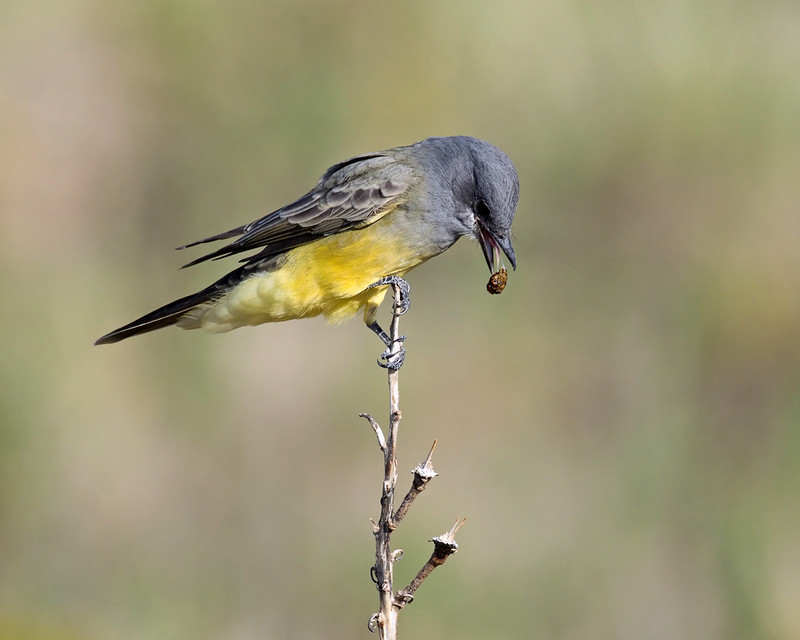
I photographed a Cassin’s Kingbird pellet sequence at Black Mesa State Park in Oklahoma and explain why birds regurgitate pellets.
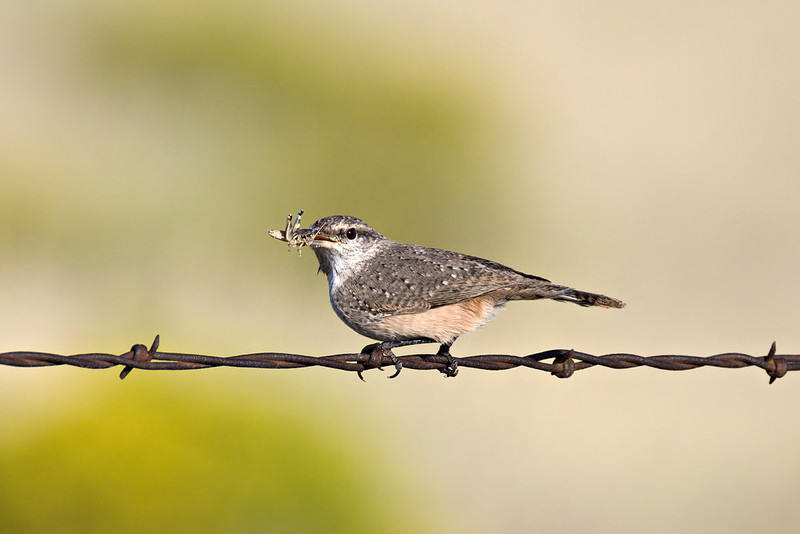
I photographed a Black Mesa Rock Wren holding a grasshopper near an Oklahoma county road. Learn about its habitat and feeding habits.