Wildlife photography changes with the seasons. Living in western Arkansas gives me access to a wide range of wildlife, and I often travel into Oklahoma to photograph animals in different habitats. Over time, I have learned that each season brings its own opportunities. Knowing what to expect helps me prepare and capture better images.
Spring Wildlife Photography: Breeding Season and New Life
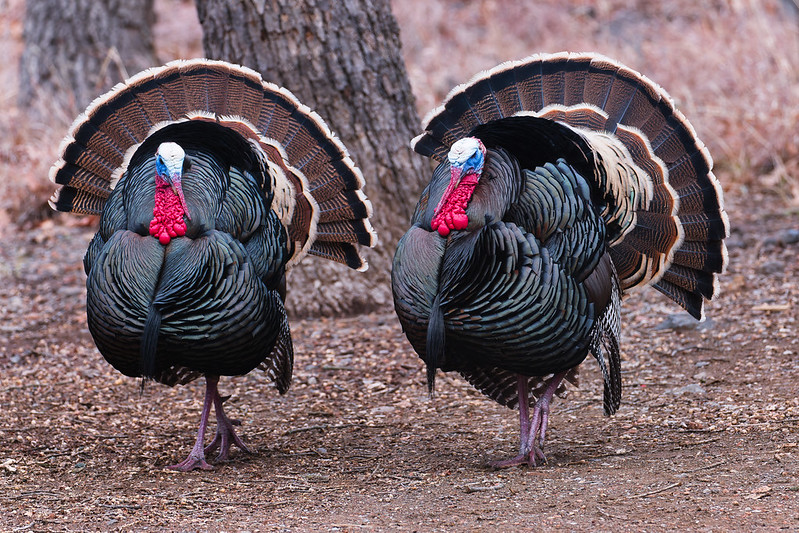
Spring is when wildlife becomes active again after winter. In Oklahoma, I have photographed Rio Grande Turkeys displaying during breeding season. Their strutting behavior makes spring one of the best times to photograph them.
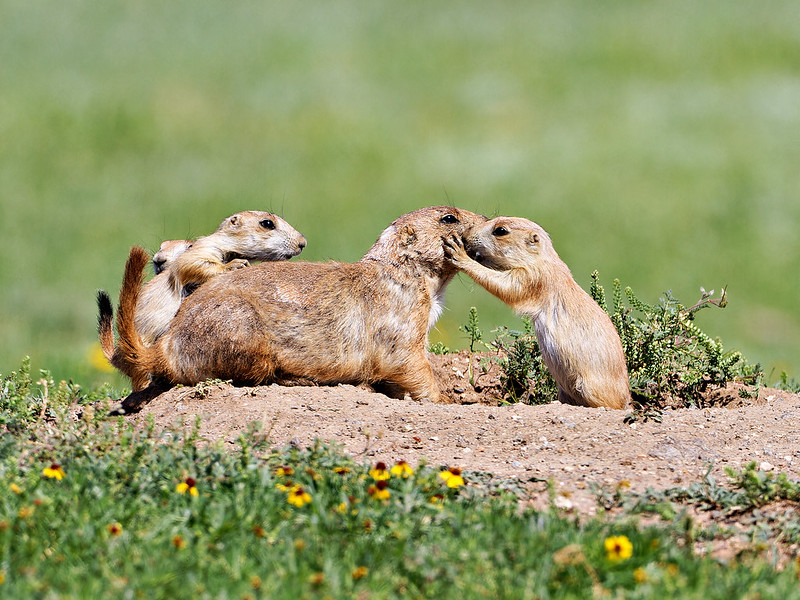
Prairie dogs also become more active in spring. Young prairie dogs begin emerging from their burrows, and social interactions increase. These moments provide excellent opportunities to capture behavior.
In Arkansas, migratory birds return, and the landscape turns green again. Early morning light works best during this season, and animals are usually most active shortly after sunrise.
Summer Wildlife Photography: Reptiles, Amphibians, and Insects
Summer brings heat and humidity, and wildlife activity shifts earlier and later in the day. I usually photograph during the early morning to avoid harsh light and high temperatures.
At Sequoyah National Wildlife Refuge in Oklahoma, I often find Green Tree Frogs during the summer. They stay close to vegetation near wet areas and often remain still long enough for photography. Their bright color blends perfectly with the surrounding plants.

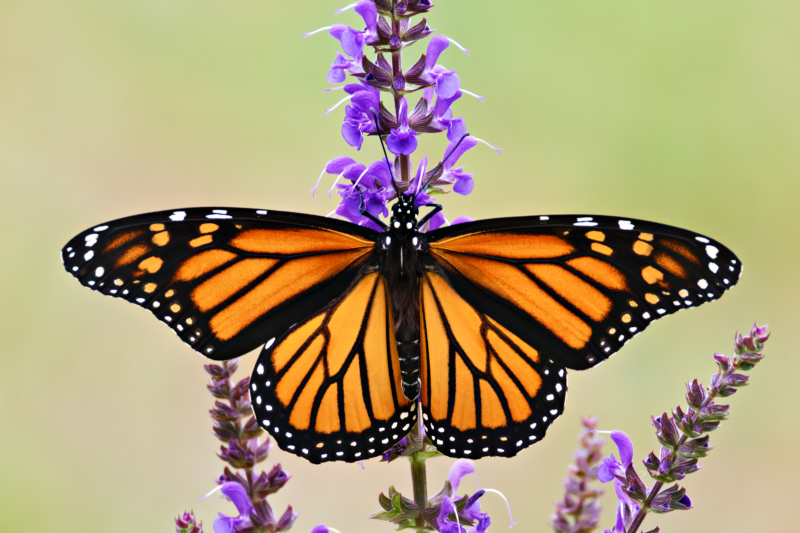
Summer is also a good time to photograph insects and other small wildlife. Fast shutter speeds help freeze movement, especially when subjects are active.
Because of the heat, I spend less time in the field during mid-day and focus on the cooler parts of the day when wildlife is more active.
Autumn Wildlife Photography: Migration and Changing Behavior
Fall brings cooler temperatures and increased wildlife activity.
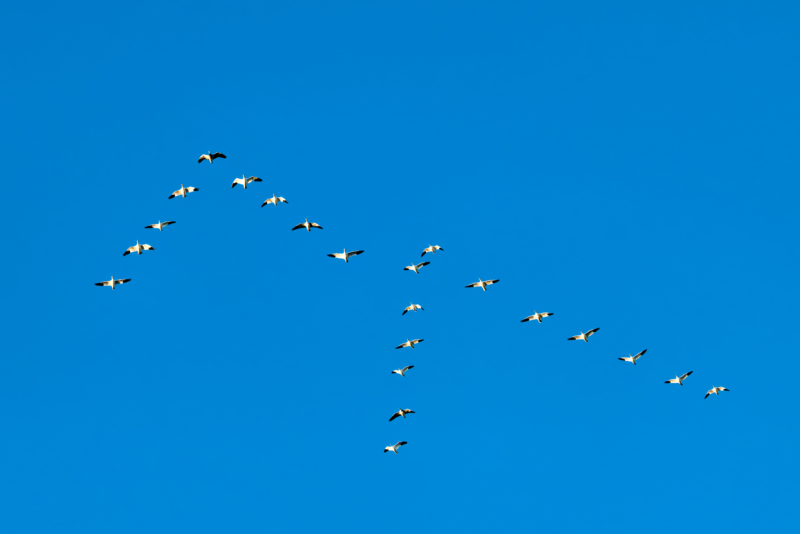
Migrating birds begin moving through the area. In Oklahoma, large flocks of Snow Geese arrive later in the season.
Elk and White-tailed Deer also become more active during the rut. Behavior changes during this time, and animals are easier to observe.
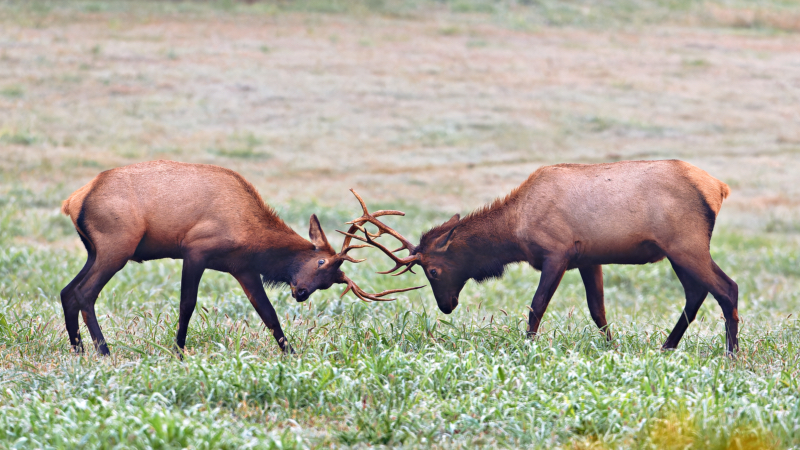
The changing leaves provide natural color that improves backgrounds and adds depth to photos.
Winter Wildlife Photography: Snow and Visibility
Winter creates some of the most dramatic conditions for wildlife photography.
In Arkansas, snow transforms common backyard birds into striking subjects. Northern Cardinals stand out against white snow.
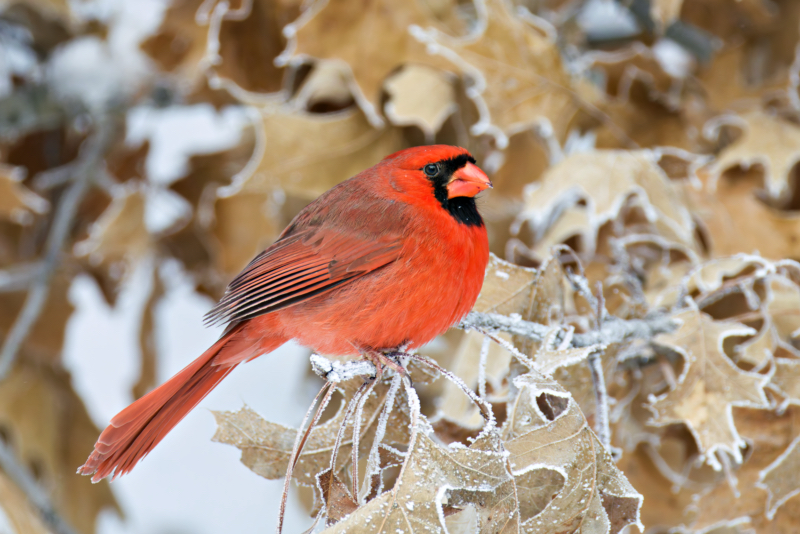
Snow also makes animals easier to see because vegetation is reduced.
I increase exposure compensation to keep snow bright and avoid dull gray tones.
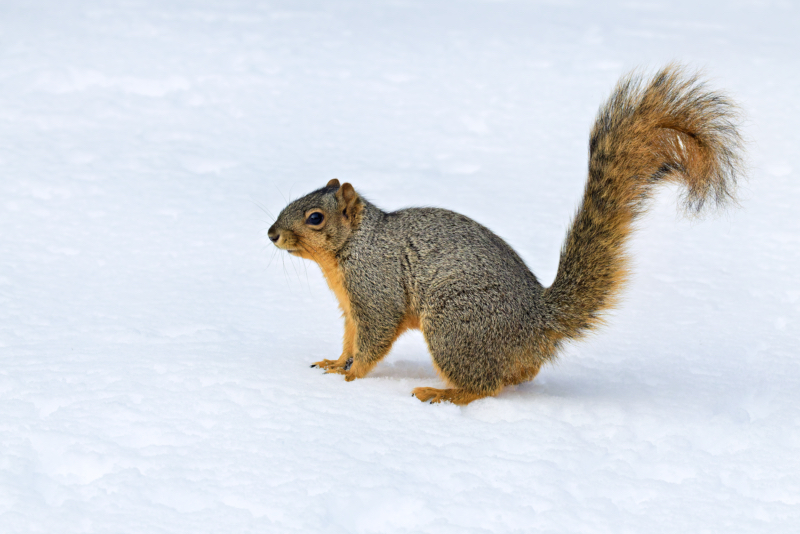
Even small animals, like squirrels, create strong images against winter backgrounds.
How I Adjust My Camera Settings Throughout the Year
My settings change depending on conditions.
Winter snow allows lower ISO because of the bright light.
Summer often requires faster shutter speeds to capture movement.
Spring and fall provide some of the best lighting conditions of the year.
I always shoot in RAW to preserve detail and color.
Most of my wildlife photography is done using my Canon RF 100-500mm and RF 200-800mm lenses, which allow me to photograph animals from a distance without disturbing them.
Why Seasonal Wildlife Photography Keeps Me Going Back
Each season offers something different.
Spring brings new life.
Summer brings variety.
Fall brings migration and preparation.
Winter brings survival.
Photographing wildlife in Arkansas and Oklahoma throughout the year has helped me learn animal behavior and improve my photography. Every season offers new opportunities.
Tomorrow’s topic: “High-Key and Low-Key Wildlife Photography Tips.” Stay tuned!