A loud boom across a quiet refuge can get your attention fast. At Sequoyah National Wildlife Refuge in Oklahoma, that sound may come from a propane cannon placed in a field.
These cannons are not there for show. They are part of the refuge’s effort to protect crops from wild hog damage.
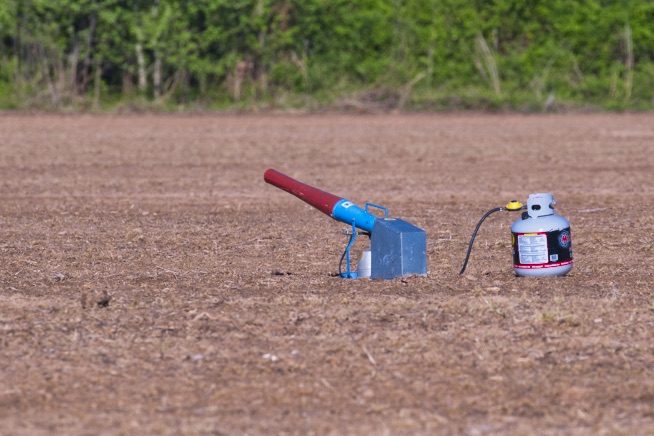
Propane Cannons at Sequoyah National Wildlife Refuge
A propane cannon is a sound device used to scare animals away from a specific area. It gives off loud, timed blasts that can sound like a gunshot or small explosion.
At the refuge, the main purpose is to deter wild hogs. These hogs can do a lot of damage in a short time. They root through soil, trample plants, and feed in crop fields.
The USDA APHIS page on feral swine management explains why these animals are such a serious problem.
That kind of damage matters at a place like Sequoyah. The refuge includes fields, wetlands, and other habitat that support many kinds of wildlife. Protecting those fields helps protect the larger refuge system.
The cannon in this photo was set in one of the refuge fields. That placement is the clue to its purpose. It is there to make the field less inviting to wild hogs, especially during important crop growth periods.
Why Sound Cannons Help Protect Refuge Crops
Wild hogs are invasive animals, and they are hard to manage. They move through fields and wet areas, often feeding at times when people may not see them.
A propane cannon works by using sound to interrupt that behavior. The sudden blast startles the hogs and encourages them to move away from the field.
This is a non-lethal tool. It does not remove hogs from the landscape, but it can reduce damage in a targeted area. That makes it useful around crops and sensitive refuge areas.
The sound can also affect other wildlife for a short time. Deer, coyotes, and other animals may become more alert or move away after hearing the blast.
That can make the refuge feel less quiet for visitors and photographers. Still, the goal is crop protection. The cannon helps managers defend resources that support the refuge as a whole.
Photographing Refuge Management in the Field
I photographed this propane cannon because it shows another side of wildlife refuge work. Not every refuge photo is a bird, deer, or wetland sunrise.
Some scenes show the tools used to keep the habitat working. This cannon is one of those tools.
For a subject like this, the setting matters. The field helps tell the story. Without that context, it would just look like a piece of equipment.
I wanted the photo to show where the cannon was placed and why it mattered. It helps explain the connection between wild hog control, crop protection, and refuge management.
The sound of a propane cannon may not be what most people expect at a wildlife refuge. But it is a reminder that conservation often takes practical work.
At Sequoyah National Wildlife Refuge, that work includes protecting crops from wild hogs. The cannon is loud, but its purpose is clear.