Every February 2, I end up watching a rodent “predict” the weather. I already know the forecast is shaky at best, but I still enjoy the whole thing. It’s one of those traditions that survives because it’s weird, simple, and it gives people something to talk about when winter feels like it’s dragging.
If the morning is sunny here in Lavaca, Arkansas, any groundhog out in the open is going to see a shadow. Folklore says that means six more weeks of winter. And honestly, that’s fine, because the truth is I’m not watching for accuracy.
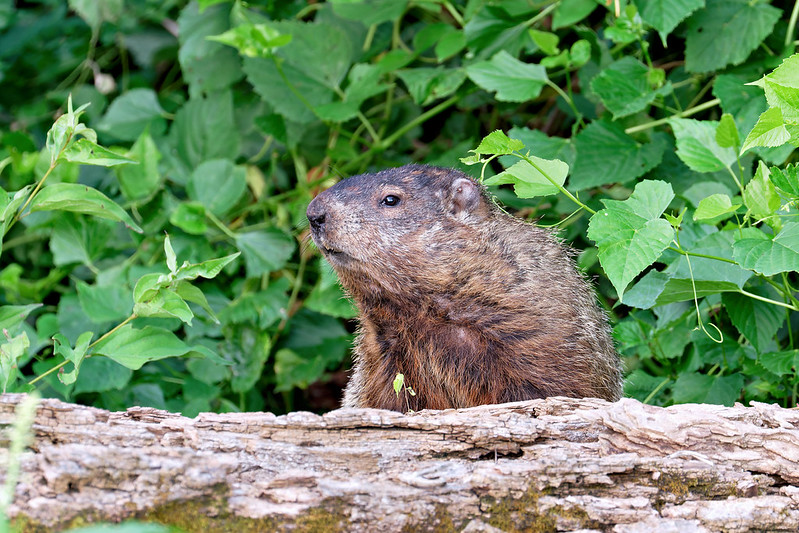
Groundhog predictions are not a serious forecasting tool
Depending on how you score the results, Punxsutawney Phil’s accuracy is often reported somewhere around the 35–40% range. That’s not “pretty good,” that’s “worse than guessing.” If a real meteorologist hit that rate over a long stretch, they would not keep the job.
But Groundhog Day isn’t trying to compete with radar, models, or a seven-day forecast. It’s a bit of theater that pretends to be science, and everyone involved knows it.
What a groundhog is actually doing in early February
A groundhog (also called a woodchuck) is not popping up in early February to judge cloud cover and make seasonal predictions. If anything, that timing has more to do with biology than weather.
Groundhogs are hibernators. Through winter, they slow way down, their body temperature drops, and their heart rate can sink to just a few beats per minute. When they start to reappear, it’s usually because their internal clock is shifting and breeding season is getting close, not because they have special insight into what the next month of weather will do.
And that “shadow” part? A shadow just means there’s sun.
Groundhog burrows are the real story
If you want something impressive, skip the prediction and look at what groundhogs build.
Groundhog burrows can be long and complex, with multiple entrances, side chambers, and escape routes. They can move a surprising amount of soil while digging, and they pick locations that help them survive and avoid trouble.
That’s the part I respect. The folklore is fun, but the animal itself is the real specialist. It’s built for digging, living underground, and riding out winter the hard way.
Why the Groundhog Day tradition works anyway
By early February, winter has usually worn out its welcome. The holidays are long gone, the days still feel short, and it can be hard to see the finish line. Groundhog Day lands right in that slump, and it gives people a shared moment to laugh at winter, complain about it, and start talking about spring.
That’s what I think we’re really doing. We’re not asking a groundhog to be right. We’re using a simple ritual to mark time.
It also gives people permission to be optimistic without promising anything. If the groundhog predicts early spring, we get a quick boost. If it predicts more winter, we shrug because that’s what we expected anyway.
What the “six more weeks” really means
The funny part is that “six more weeks” lines up with the calendar regardless. Early February to mid-March is roughly six weeks, and mid-March is when spring starts showing up on the calendar and on the landscape in a lot of places.
So even when the groundhog is “wrong,” the tradition still lands in the same spot: we are, in fact, moving toward spring.
The real forecast I trust in Arkansas
If I’m planning anything that depends on weather, I’m not leaning on folklore. Arkansas can swing fast in February. A bright, sunny day can feel like spring at noon and still bite at sunrise. Cold snaps, warm spells, rain, and the occasional snow or ice event can all show up in the same month.
That’s exactly why Groundhog Day stays harmless. It’s low-stakes. It doesn’t matter if it misses, because nobody should be using it to make real decisions.
If you want to read the story behind how Groundhog Day started and why the folklore stuck, I covered it here: Groundhog Day 2025: A Tradition Rooted in Folklore
Why I still like it
I like Groundhog Day because it’s a shared excuse to pause and notice the season. It’s a small marker in the middle of winter that reminds me we’re moving forward, even when it doesn’t feel like it.
And I like that it’s unapologetically silly. In a world where everything is optimized, analyzed, and argued over, here’s one tradition that basically says: “A groundhog saw a shadow, so we’re going to make a whole day out of it.”
I’m fine with that.
So I’ll watch it, I’ll laugh at the prediction, and then I’ll do what I always do. If I need the truth, I’ll check the actual forecast. The groundhog can go back to being a groundhog.
Punxsutawney Phil seems better than most of the meteorologists here, lol. The Seer of Seers!
My Apple Weather App has been terrible. I wished that would improve.
I really enjoyed this.. You are so right.. and most of the time, he sees his shadow… I know I look at spring coming by the calender, and knowing when the psinrg “lake people” start showing up..we are soo quiet in the winter..but then the brave weekenders start to venture down from the cities.. too cold to boat and swim, but the weekenders jump on side by sides and jackets and drive around, kids drivng golf carts with blankets on their laps..red faces.. and we continue to watch as weekends go by and warmth returns.. to me, after Memorial Day the days start to warm decent… Life goes on.. Groundhogs or weekenders at the lake..
Boating season returns!