My sixth day at the refuge started with a familiar and welcome routine. I sat at my campsite before sunrise with a hot cup of coffee, listening to the morning chorus. The intense sound of elk bugling echoed through the valleys, growing louder and more frequent as the light began to break.
Morning Elk Bugling and a Wildlife Mystery
As the sun cleared the horizon, I drove out to the west side of the refuge. This section is less crowded, and it consistently rewards me with great animal encounters. Right away, I spotted a cow elk standing beside a younger elk in the early light.

While taking photos of the pair, I noticed something completely unexpected. The cow elk appeared to spit out a large, hard object. Looking closely at my camera screen, it resembled a portion of a jaw bone with teeth still attached. I have never seen anything like this in the field, and it leaves me with a fascinating wildlife puzzle.
White-Tailed Deer Along the West Side Trails
Later that morning, the large mammals continued to show up. I crossed paths with several white-tailed deer feeding quietly in the brush. Two bucks and a doe gave me a wonderful opportunity to slow down and compose a few portraits.

The deer seemed content in the tall grass, pausing occasionally to watch me. Working in this part of the refuge allowed for clean backdrops without any traffic disruptions.


Exploring Wichita Mountains Wildlife Through Macro Photography
When the afternoon heat set in, the large mammals went to find shade. I decided to change my focus and look for smaller subjects. I laced up my boots and hit the trails to look for active insects.
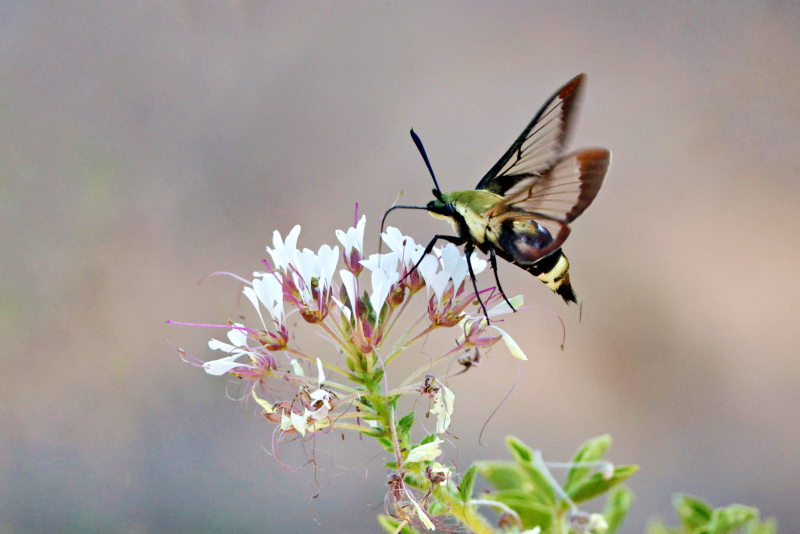
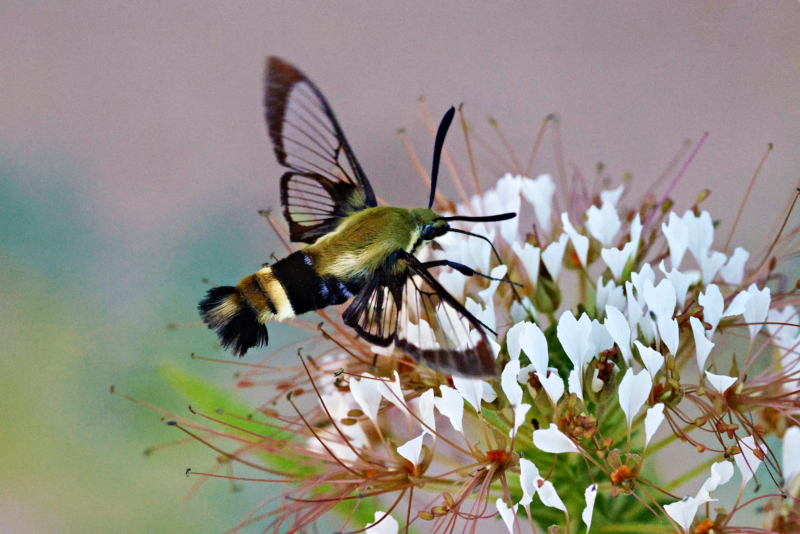
I usually cover about five miles a day on these hikes, carrying my camera gear along the rocky paths. On this walk, I found a gorgeous hummingbird moth nectaring on some Red-whiskered Clammyweed.
A colorful Gulf Fritillary butterfly also paused on a nearby wildflower, completely unbothered by my presence.

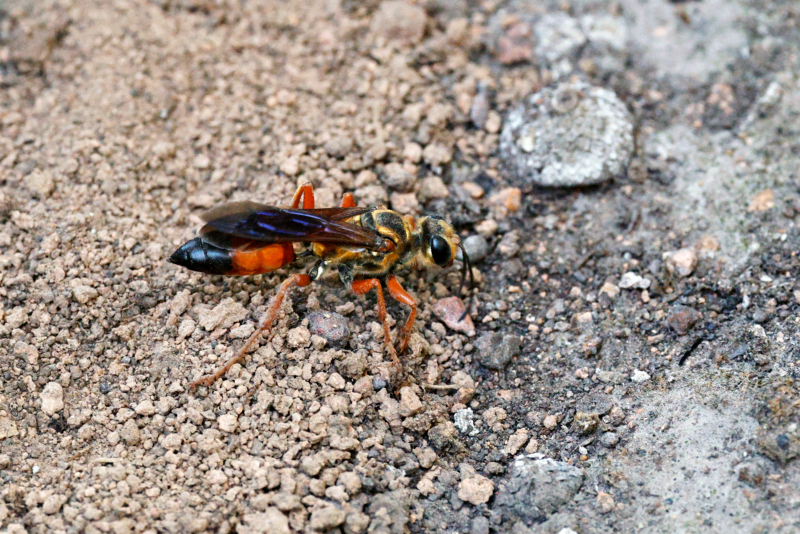
Down on the rocky ground, a Great Golden Digger Wasp and a tiny bee fly provided excellent macro opportunities.

This day had a little of everything. Bugling elk started the morning. White-tailed deer worked through the grass. Insects filled the warmer hours with color and small details.
The cow elk mystery will probably stay with me the longest. I still do not know exactly what I photographed, but that is part of what keeps wildlife watching interesting.
The refuge keeps reminding me to look wide, then look close. Day 6 was another good example of that.
You can follow the next part of the trip here: Days 7 and 8 at Wichita Mountains Wildlife Refuge.
Jim said he is seeing the same thing as you. Said maybe a wolf or coyote grabbed him and dislocated his jaw bone trying to take him down and it popped out. Very unusual for sure.
Hi, Steve. Nice photos. I thought you might be interested to know (if you don’t already) that the plant the Hummingbird Clearwing Moth is nectaring on is Red-whiskered Clammyweed. This plant has become my favorite for attracting all species of pollinators!
Terry
Thanks Terry, I did not know!