A Morning Full of Bugling Elk and Unusual Wildlife Moments at Wichita Mountains Wildlife Refuge in Oklahoma
Morning Elk and Deer Activity
Day 6 at Wichita Mountains Wildlife Refuge in Oklahoma started off just like the others. With a cup of coffee in hand, I sat at my campsite before sunrise, listening to the elk bugling in the distance. Each morning seemed to bring more elk into the chorus, their calls growing louder and more frequent. It’s an incredible way to start the day.
As the sun rose, I headed back to the west side of the refuge. This area has been my go-to spot, and for good reason—it’s less crowded, and the wildlife has been plentiful. It didn’t disappoint me this time either.

I spotted a cow elk with a younger elk by its side, and as I was photographing them, something really unusual happened. I’m not even sure what I witnessed, but it looked like the cow elk spit out a part of her jaw bone with a few teeth attached. I’ve never seen anything like it. After reviewing the photo, I’m still not sure what I saw, but it’s one of those wildlife mysteries that keeps you curious. If you have any ideas, feel free to drop a comment below!
Later in the morning, I came across several white-tailed deer. A couple of bucks and a doe gave me the perfect opportunity for some nice photos. It’s always a treat to capture them in their natural habitat.


Insects and Afternoon Hiking
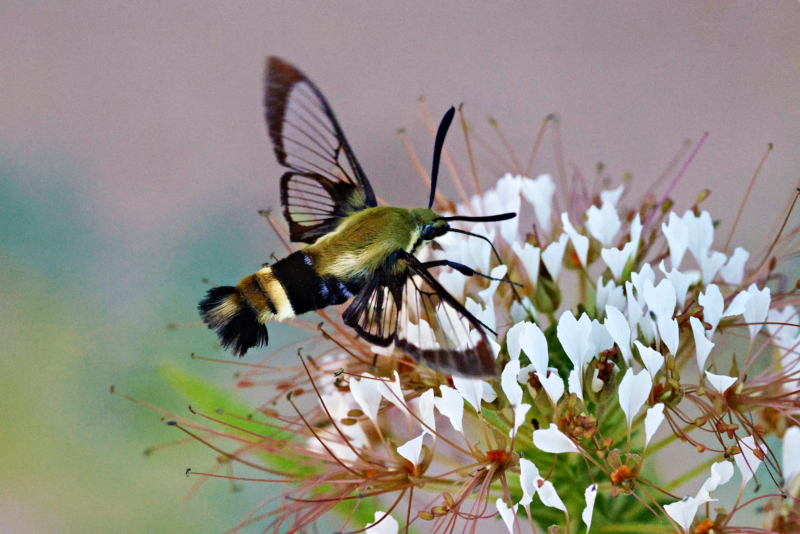
As the day warmed up, I switched things up a bit. I decided to focus on photographing some of the insects around the refuge. The diversity of insects here is incredible, and I’ve been really enjoying the macro photography opportunities. I’m still learning a lot about the different species, so if I mislabeled any in the photos, please let me know in the comments.
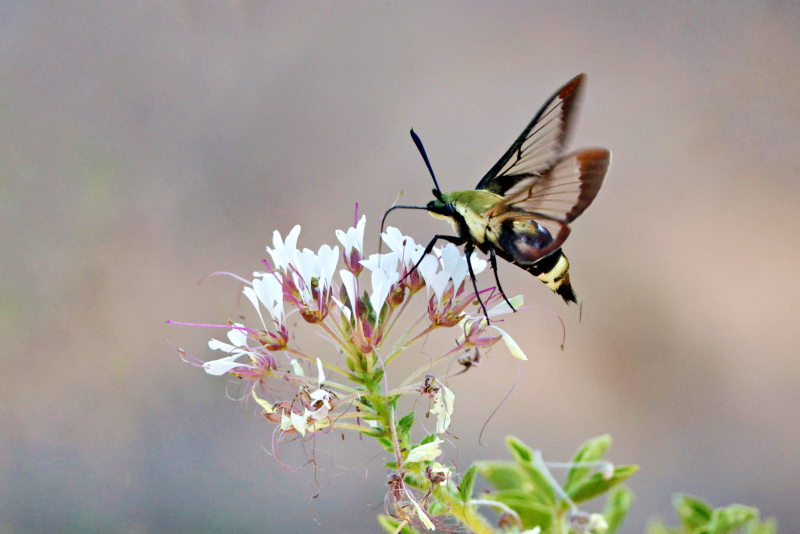

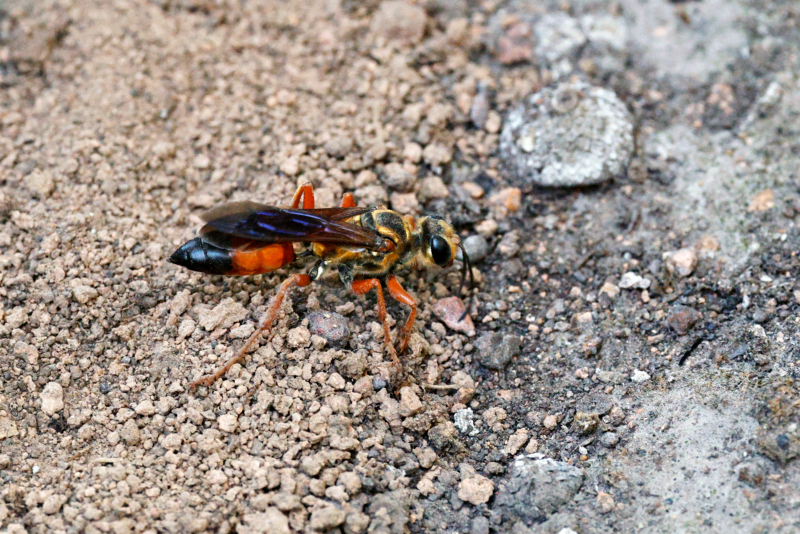

Part of the day was spent hiking a few of the trails. I usually cover about five miles each day, either in the heat of the afternoon or later in the evening when it cools off a bit. A camera is always along for the hike, which is how some of the macro insect photos came together. Hiking these trails gives me a chance to see the refuge from a different perspective and capture even more of its beauty.
Day 6 was another solid day at the refuge. You can follow the story into Days 7 and 8 at Wichita Mountains Wildlife Refuge, where I continued photographing elk, deer, and smaller wildlife.
Jim said he is seeing the same thing as you. Said maybe a wolf or coyote grabbed him and dislocated his jaw bone trying to take him down and it popped out. Very unusual for sure.
Hi, Steve. Nice photos. I thought you might be interested to know (if you don’t already) that the plant the Hummingbird Clearwing Moth is nectaring on is Red-whiskered Clammyweed. This plant has become my favorite for attracting all species of pollinators!
Terry
Thanks Terry, I did not know!