Red-bellied Woodpecker Fledgling Being Fed
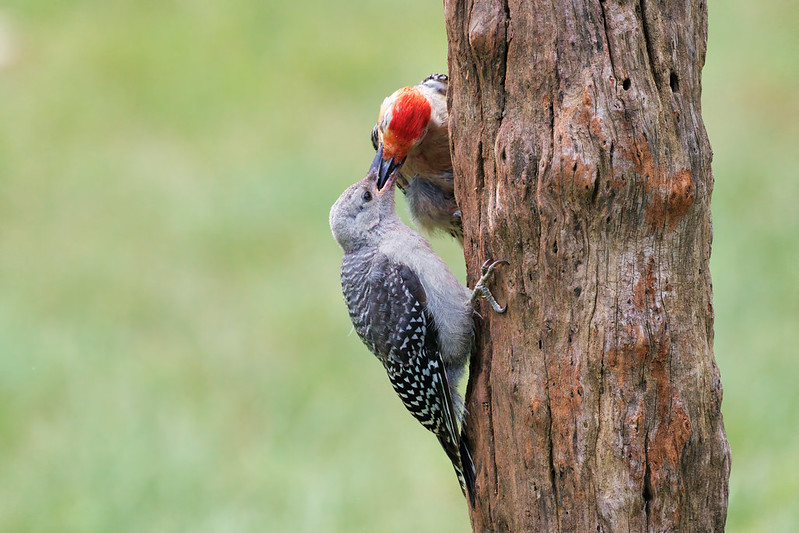
Red-bellied Woodpecker Fledgling being fed on a backyard perch in Lavaca, Arkansas, photographed from my deck in June.
Bird photography can be challenging. You need the right gear. A good camera and lens are key. Settings matter too. Fast shutter speeds help freeze motion. Learn how to adjust ISO and aperture. Techniques are important. Think about composition. Get close-ups. Try aerial shots. Capture birds in their habitat. Patience is needed. Birds move quickly. They can be hard to find. Study bird behavior. Know where they live. Understand their habits. This will help you get better photos.
Red-bellied Woodpecker Fledgling being fed on a backyard perch in Lavaca, Arkansas, photographed from my deck in June.

Discover the captivating encounter between an Indigo Bunting and the mesmerizing Strawberry Moon in this enchanting tale of nature’s beauty and celestial wonder

I photographed a lone gosling at Sequoyah National Wildlife Refuge and wondered what happened to its siblings. A closer look at survival.
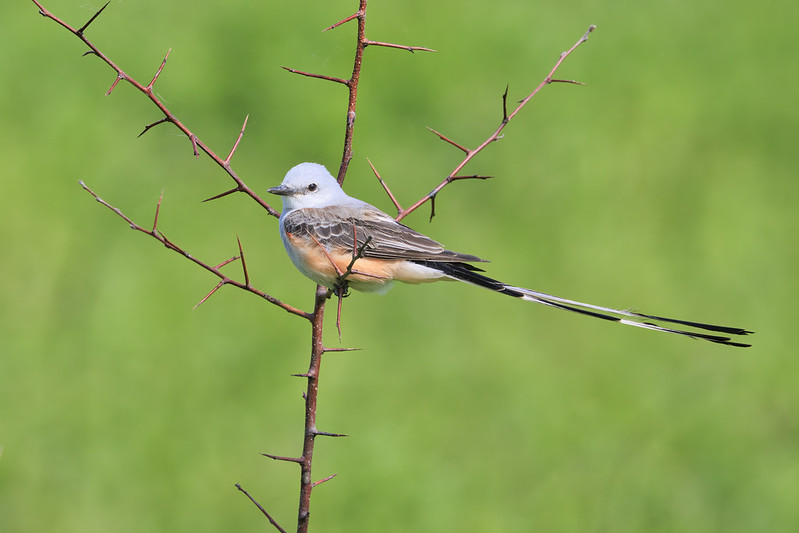
Photographing a Scissor-tailed Flycatcher on a thorny perch at Sequoyah National Wildlife Refuge during spring in Oklahoma.

See a female Dickcissel with nesting material at Sunnymead Park as she prepares for nesting, with photography details and bird behavior.

A barred owl encounter at Sequoyah National Wildlife Refuge led to an unforgettable early morning wildlife photo session.
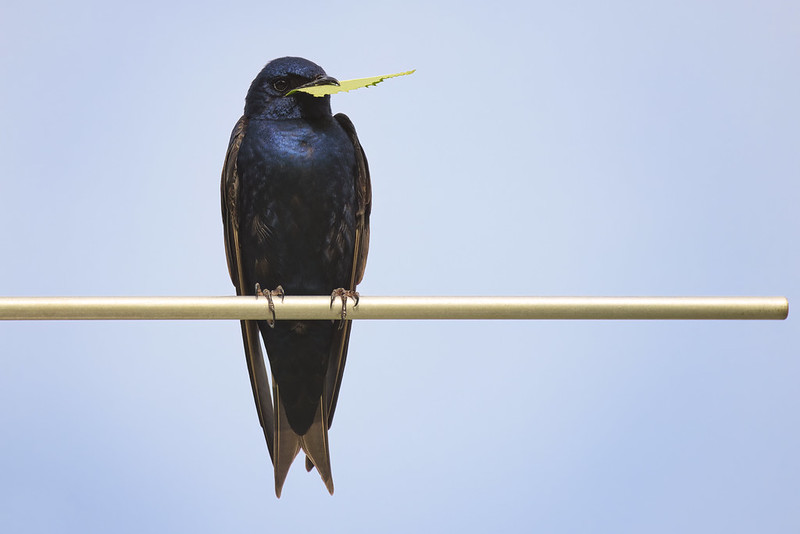
Discover why Purple Martins carrying leaves is a common sight—nest building, parasite control, or something else? Explore this behavior!

Prothonotary Warbler eating a dragonfly at Sequoyah NWR, photographed from my pickup as it stripped wings before feeding.