Eastern Bluebird Nest Boxes: Both Now in Use
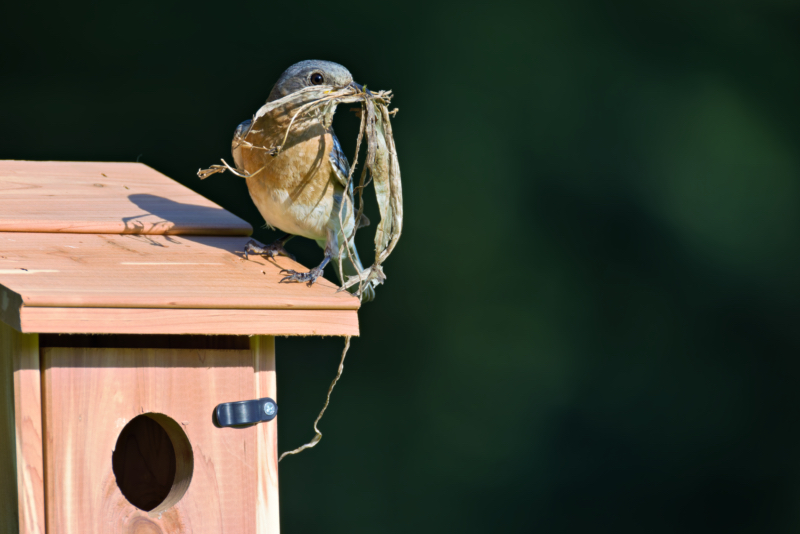
Both of my Eastern Bluebird nest boxes are now in use after relocation and replacement efforts in my two-acre yard.
Bird photography can be challenging. You need the right gear. A good camera and lens are key. Settings matter too. Fast shutter speeds help freeze motion. Learn how to adjust ISO and aperture. Techniques are important. Think about composition. Get close-ups. Try aerial shots. Capture birds in their habitat. Patience is needed. Birds move quickly. They can be hard to find. Study bird behavior. Know where they live. Understand their habits. This will help you get better photos.
Both of my Eastern Bluebird nest boxes are now in use after relocation and replacement efforts in my two-acre yard.
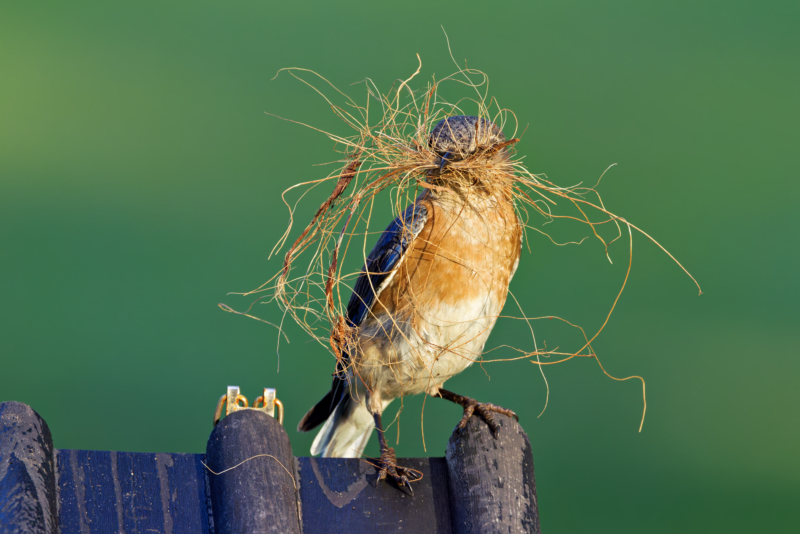
Eastern Bluebirds begin again after losing their chicks. A relocated birdhouse offers hope for a successful nest in my yard.
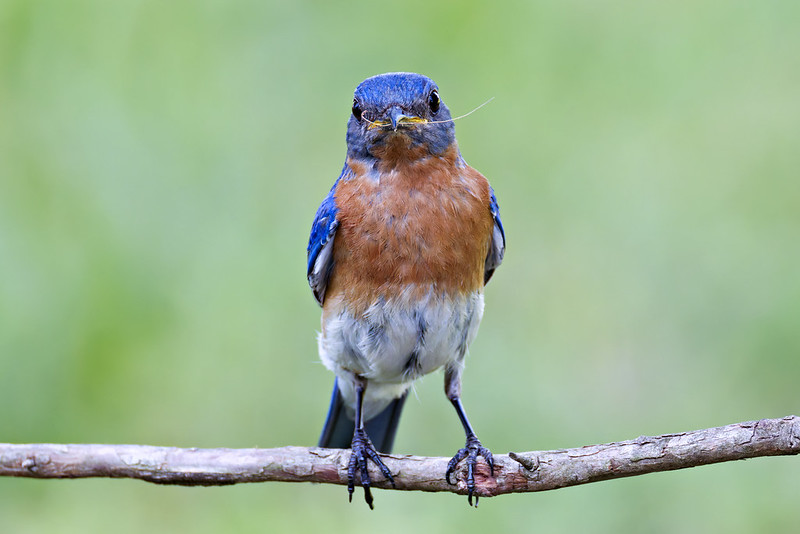
Eastern Bluebird chicks vanished overnight from my backyard birdhouse. The male’s strange behavior revealed the mystery.
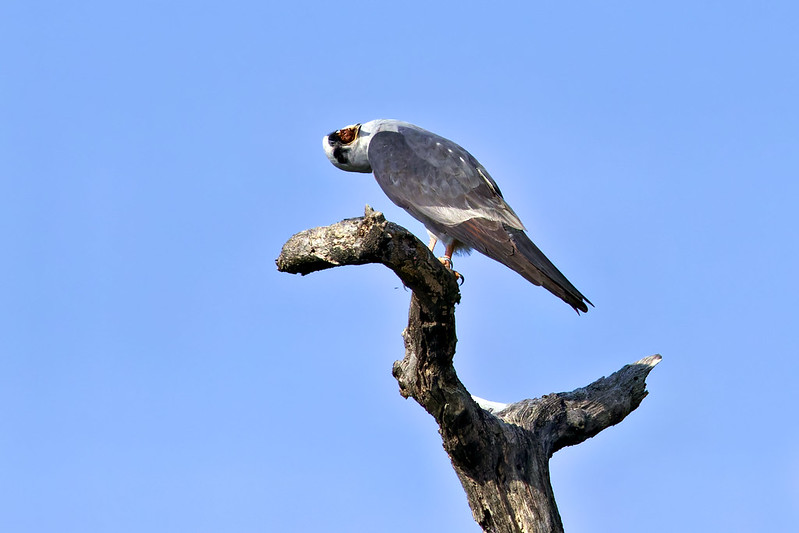
Mississippi Kite regurgitating pellet shows how this raptor expels indigestible insect parts while perched in an Oklahoma refuge.