Tufted Titmouse Mid-molt: Still Full of Personality

Tufted Titmouse molting in late summer is natural. These scruffy birds still show bold personality even mid-molt.
Bird photography can be challenging. You need the right gear. A good camera and lens are key. Settings matter too. Fast shutter speeds help freeze motion. Learn how to adjust ISO and aperture. Techniques are important. Think about composition. Get close-ups. Try aerial shots. Capture birds in their habitat. Patience is needed. Birds move quickly. They can be hard to find. Study bird behavior. Know where they live. Understand their habits. This will help you get better photos.
Tufted Titmouse molting in late summer is natural. These scruffy birds still show bold personality even mid-molt.
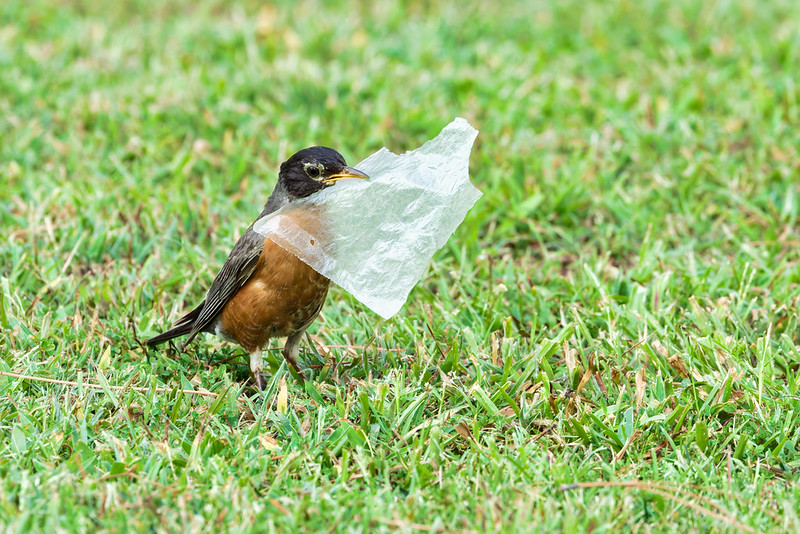
American Robin nesting habits adapt to human environments, sometimes using plastic waste. Learn how to keep their homes safe.
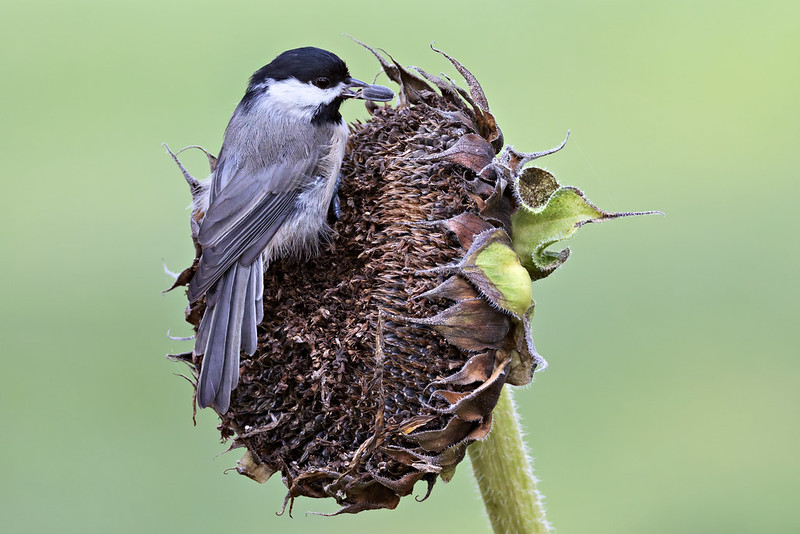
A Carolina Chickadee feeds on a sunflower it may have helped plant, showing nature’s beautiful full-circle design.
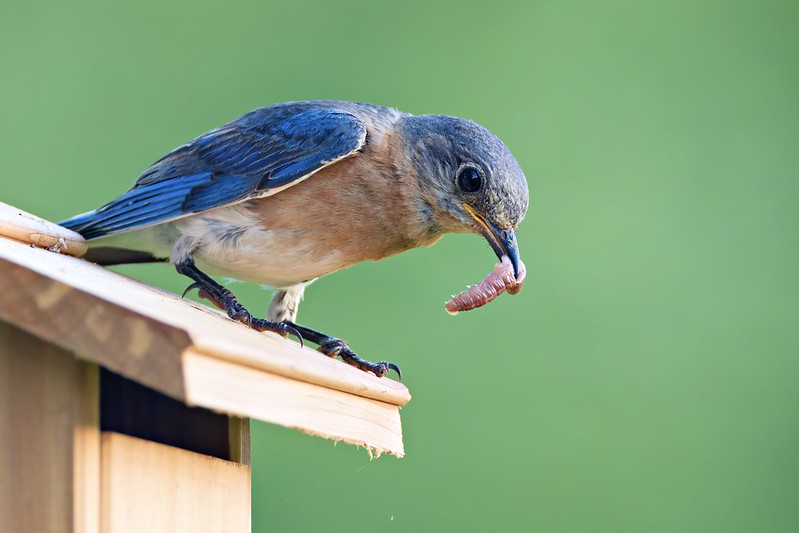
Eastern Bluebird second pair of chicks fledged in early August, marking the end of nesting season in my backyard.