The Bird Respiratory System: Why Birds Breathe So Differently

Bird respiratory system explained in plain language, from one-way airflow to air sacs, and why that efficiency can make birds vulnerable.
Bird photography can be challenging. You need the right gear. A good camera and lens are key. Settings matter too. Fast shutter speeds help freeze motion. Learn how to adjust ISO and aperture. Techniques are important. Think about composition. Get close-ups. Try aerial shots. Capture birds in their habitat. Patience is needed. Birds move quickly. They can be hard to find. Study bird behavior. Know where they live. Understand their habits. This will help you get better photos.
Bird respiratory system explained in plain language, from one-way airflow to air sacs, and why that efficiency can make birds vulnerable.
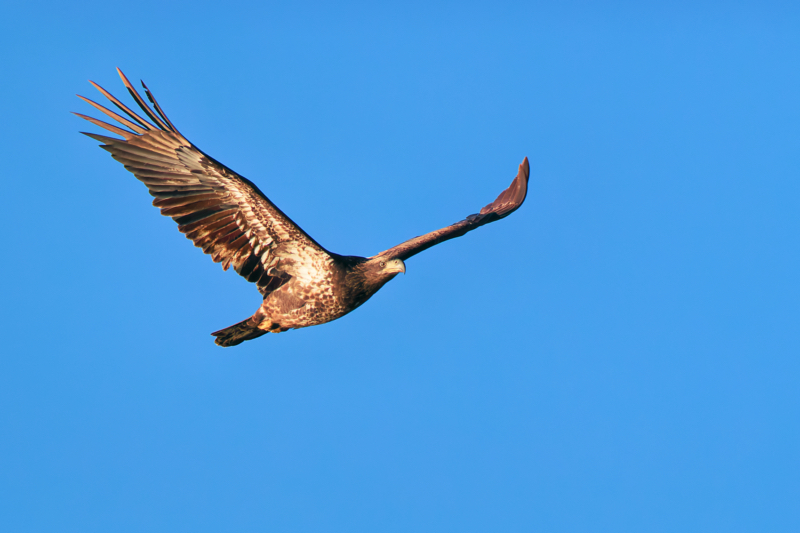
A cold morning with Charleston City Lake birds, including bald eagles, cormorants, and a great blue heron in Arkansas.
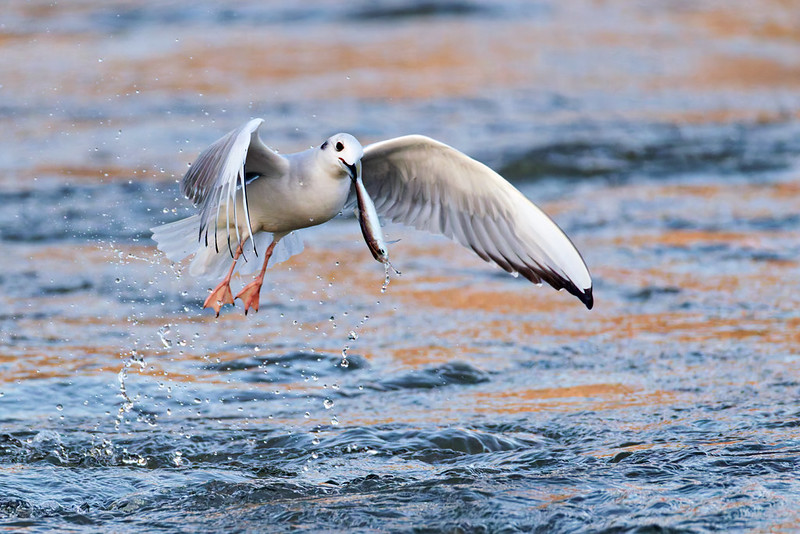
A close look at Bonaparte’s Gull feeding behavior as a gull drops a fish, dives straight down, and retrieves it below Kerr Dam.
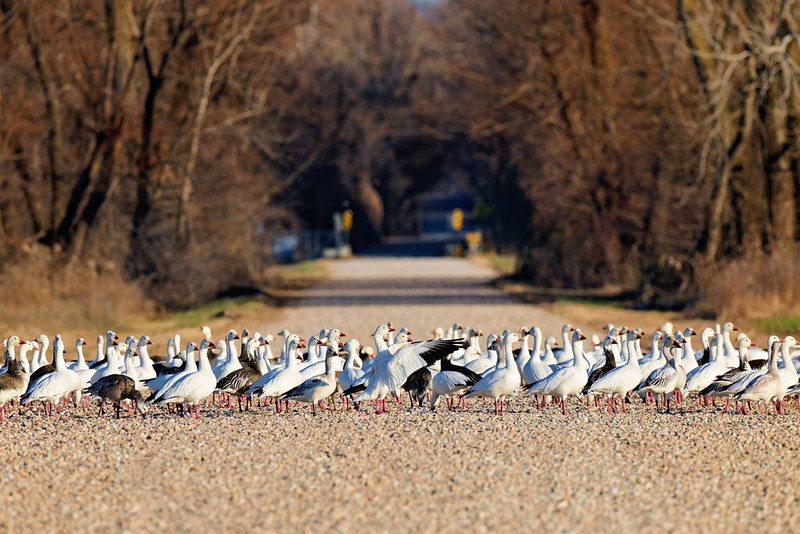
A Christmas snow goose parade filled the refuge road at Sequoyah NWR and gave me a quiet winter wildlife photography moment.
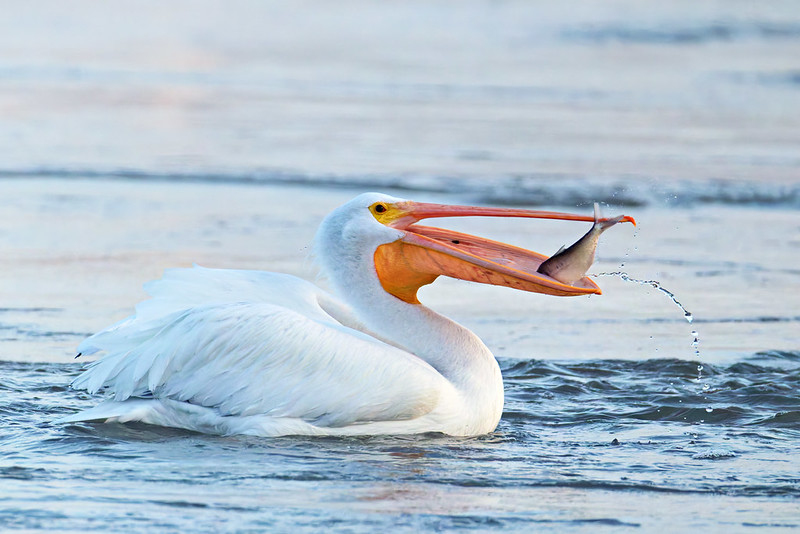
I photographed a pelican handling fish at Kerr Lock and Dam, using its gular pouch to control and reposition the catch.
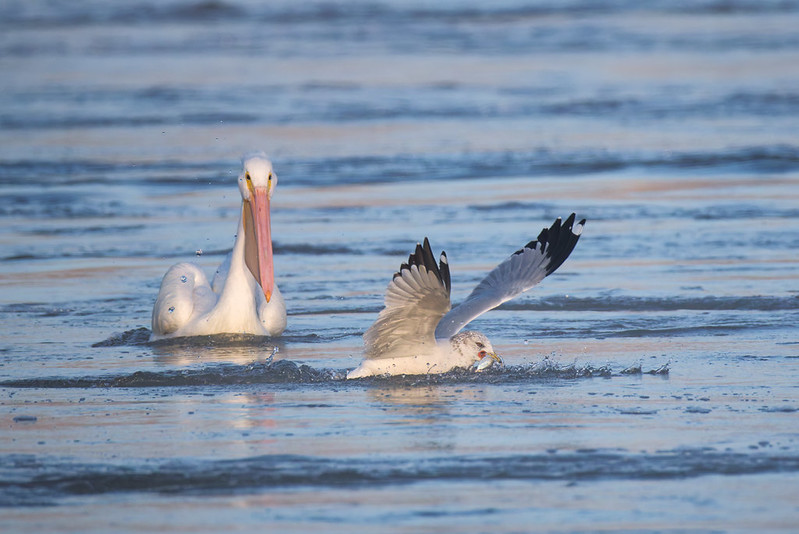
I photographed a Ring-billed Gull snatching a fish right in front of an American White Pelican at Kerr Dam. Read my Wildlife Notes.
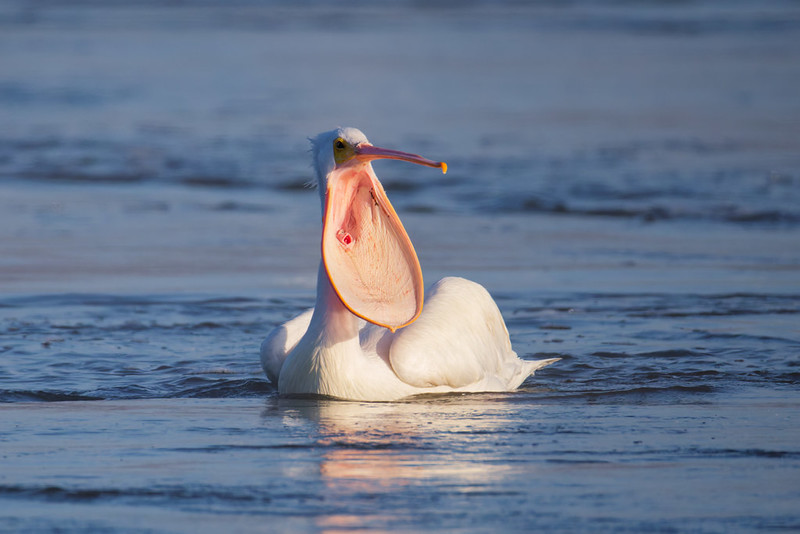
An American White Pelican stretches its gular pouch on the Arkansas River in Oklahoma, giving a rare look inside this feeding adaptation.
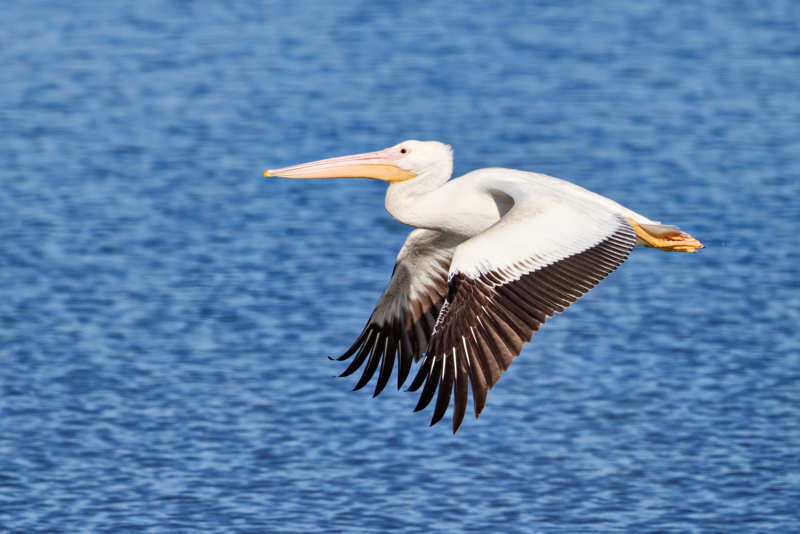
Pelican gular stretch caught in slow motion at Kerr Dam on the Arkansas River. What it is, why it happens, and what to watch for.