The scorching summer sun beats down hard on the Arkansas River Valley. It is not just humans who feel the heavy heat, our backyard birds suffer too. As a wildlife photographer, I always look for simple ways to support the local wildlife right outside my door.
Helping Birds Survive the Hot Summer Months
During July and August, natural water sources quickly dry up around Lavaca. Soaring temperatures and dry spells make it very difficult for birds to find reliable hydration. By offering a clean water supply, you can help alleviate their daily struggles.
Water plays a critical role in a bird’s survival during these sweltering months. It regulates their body temperature, helps them digest dry seeds, and keeps their feathers clean. Providing a safe haven allows them to drink and bathe safely. You can read more about this in my detailed guide, Birds and Water: Why Your Birdbath is Essential (with Tips!).

Choosing and Placing a Backyard Water Source
You do not need a complex setup to make a big difference. Shallow containers or basic concrete birdbaths work perfectly for birds of all sizes. I prefer containers with gently sloping edges, which give smaller songbirds a safe place to stand.
Location matters just as much as the container itself. Place your water source near trees or large shrubs. This position offers quick shade and gives birds a place to hide from stalking predators. I like to keep water at different heights, using both ground dishes and elevated baths to attract different species.
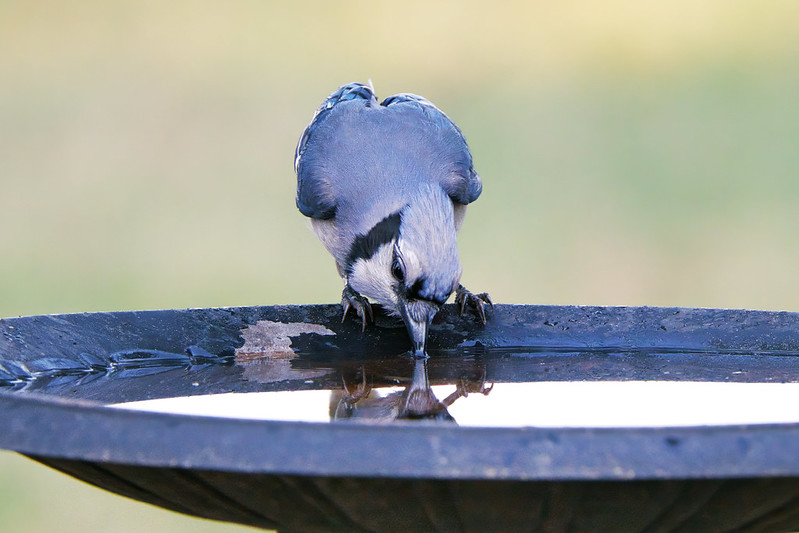
Simple Steps for a Safe Avian Oasis
You can enhance your water station by adding a few natural elements. I place flat stones and small tree branches inside the water. These items create stable perches so birds can land comfortably without slipping into deeper areas.
Safety should always be your top priority. Keep your water station away from large glass windows to prevent accidental bird collisions. Dump the water out and scrub the basin every few days to prevent bacteria growth and stop mosquitoes from breeding, following the clean water practices outlined in the National Audubon Society’s guide on Why You Should Keep Your Birdbath Clean.