Pelican Landing Gracefully
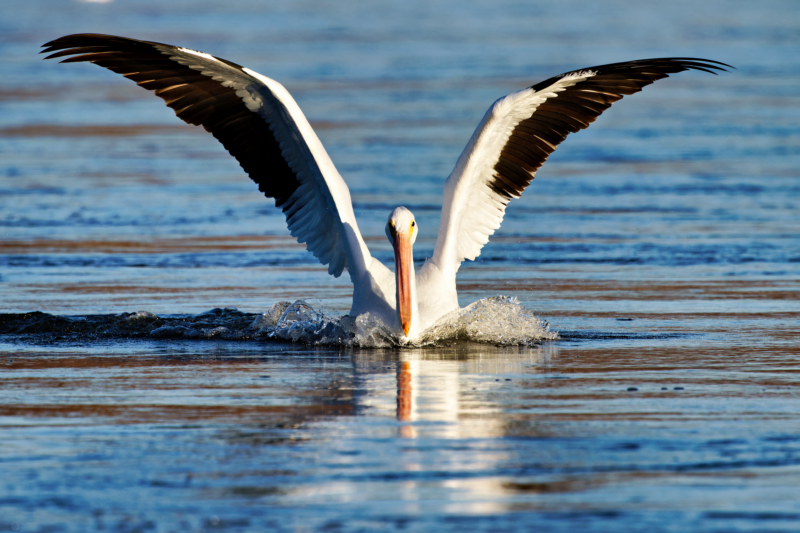
Watching American White Pelicans land gracefully on the water as I sat near the Robert S. Kerr Lock and Dam. Photo and description of their unique landing.
Bird photography can be challenging. You need the right gear. A good camera and lens are key. Settings matter too. Fast shutter speeds help freeze motion. Learn how to adjust ISO and aperture. Techniques are important. Think about composition. Get close-ups. Try aerial shots. Capture birds in their habitat. Patience is needed. Birds move quickly. They can be hard to find. Study bird behavior. Know where they live. Understand their habits. This will help you get better photos.
Watching American White Pelicans land gracefully on the water as I sat near the Robert S. Kerr Lock and Dam. Photo and description of their unique landing.
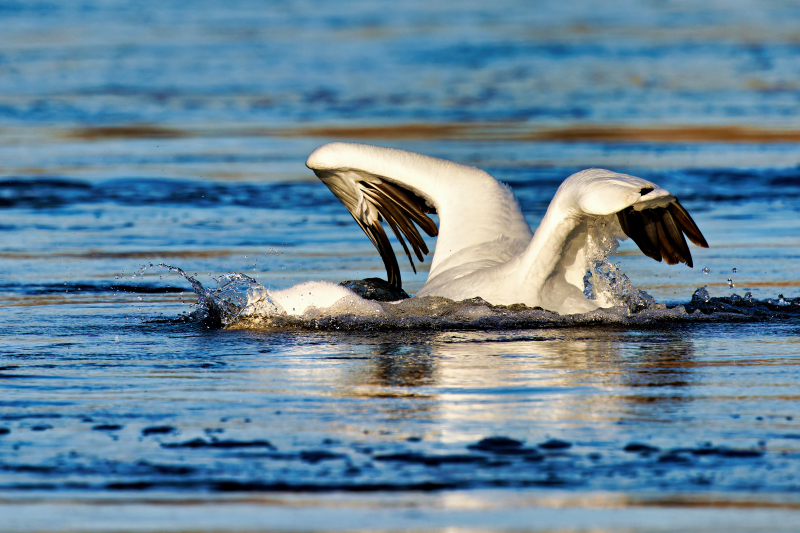
A blog post describing how American White Pelicans catch fish differently below Kerr Dam in Oklahoma compared to a small lake.
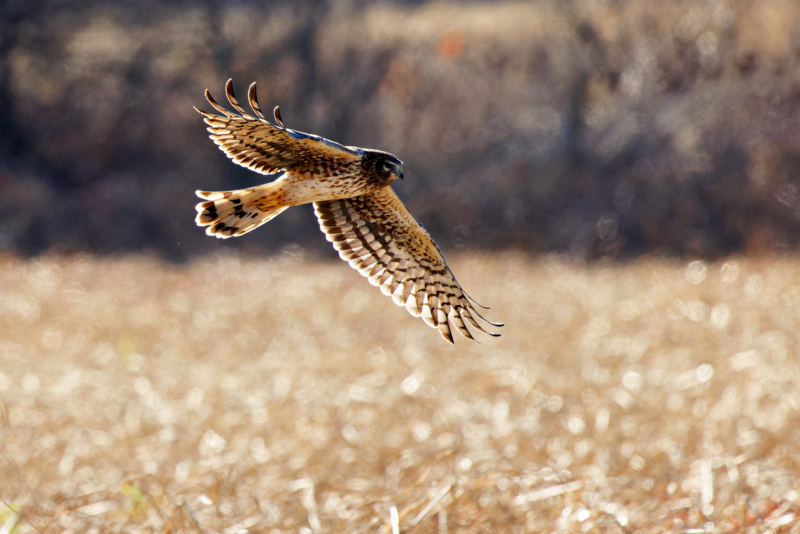
Photographing a female Northern Harrier while walking along the Arkansas River below the Robert S. Kerr Lock and Dam in Oklahoma.

First-hand account and photo of a Northern Harrier preying on a Snow Goose in the wetlands of an Oklahoma wildlife refuge.

I documented sighting a Savannah Sparrow in a large field near the auto tour road at Sequoyah National Wildlife Refuge in Oklahoma.

White-crowned Sparrow in the morning light at Sequoyah NWR as I describe its winter habitat and how I photographed it in a thicket.

See pictures and learn interesting facts about the Swamp Sparrow, a medium-sized songbird found in wetlands across North America.

Learn the real differences between Western and Eastern Meadowlarks, including song, markings, range, and identification tips.