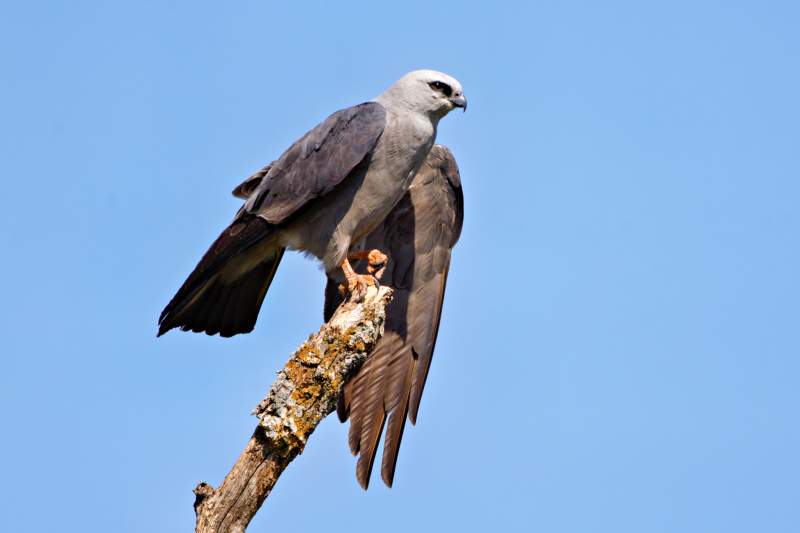
I saw Mississippi Kites all over the Wichita Mountains Wildlife Refuge on this trip. They were hard to miss once I started looking up, and they quickly became one of my favorite sightings of the visit.
Wildlife Notes
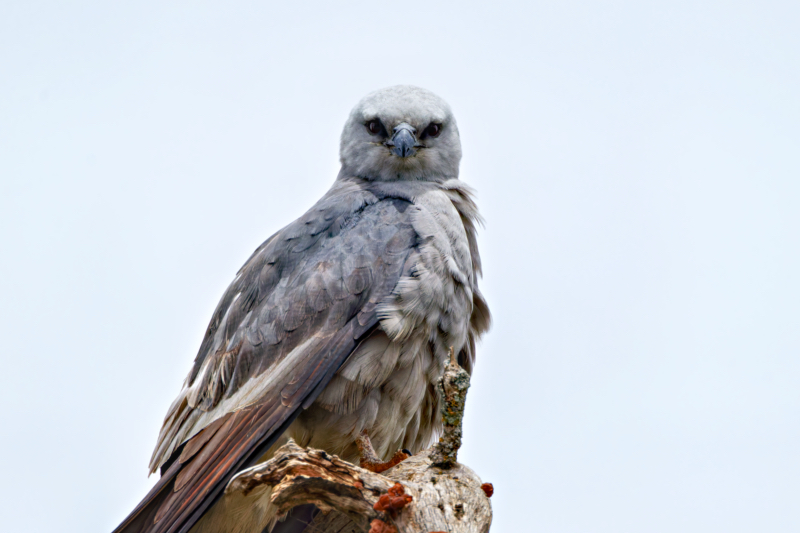
This was my first time photographing a Mississippi Kite, at least as far as I can recall. What stood out right away was the bird’s sleek look, its pale gray tones, and those striking red eyes. I also kept hearing their high, thin calls overhead, which made them easier to notice as they moved across the refuge.
The number of kites surprised me. They seemed to be everywhere I looked. After I got home, I read more about them and learned that Mississippi Kites have increased in parts of the southern Great Plains over the past several decades. That helped explain why they felt so common during this visit.
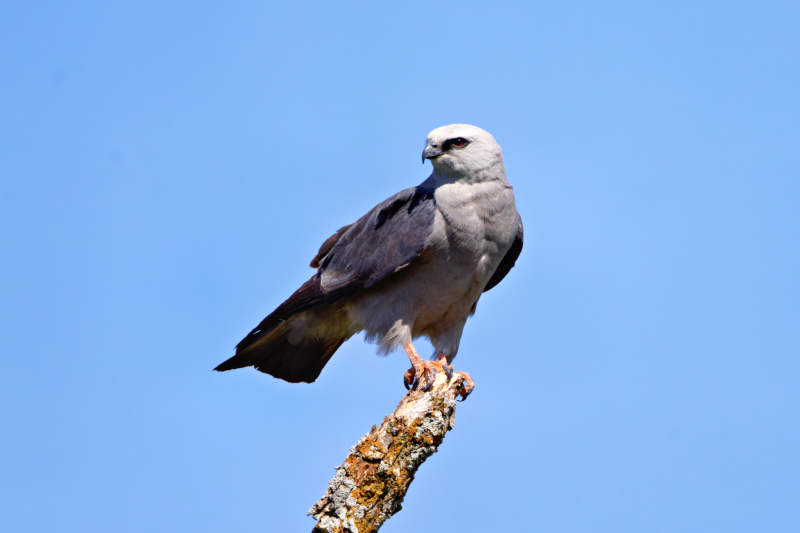
Another detail that caught my attention was their nesting behavior. During breeding season, Mississippi Kites can be very defensive near the nest. That is worth remembering if you are walking under trees in summer. Giving them plenty of space is the smart choice. The original post also notes reports of birds swooping at people who get too close to active nests.
They are also known for catching insects on the wing. Grasshoppers, cicadas, and beetles are all part of that general feeding pattern. Oklahoma is part of their summer range, but they do not stay year-round. They move south for winter and return in spring.
Photography Notes
Mississippi Kites gave me a good mix of chances, perched at times, then gone again in a hurry. For this first photo, I stayed in the truck and used the window as a steady shooting position. That let me work at a long focal length without moving around too much and risking spooking the bird.
Camera settings for Photo 1:
- Camera: Canon EOS R7
- Lens: Canon RF 800mm F11 IS STM
- Focal length: 800mm
- Aperture: f/11
- Shutter speed: 1/1250 second
- ISO: 800
- Exposure compensation: +2/3
- Support: Beanbag on truck window
The 800mm reach worked well for a small raptor that kept its distance. The beanbag helped keep the setup steady, and the shutter speed was fast enough to hold detail when the bird shifted or turned. This kind of window-supported setup is simple, but it can work very well when birds are relaxed and the truck acts like a blind.
Closing
Mississippi Kites ended up being one of the highlights of my visit to the Wichita Mountains Wildlife Refuge. They were beautiful to watch, easy to hear once I tuned in to them, and full of energy in the summer sky. It was a memorable encounter, and one I would be glad to repeat.
ANOTHER interesting post. They are a beautiful looking bird. Thanks for the share. Wyoming people don’t get to see these lovely birds in our fields, which may be a good thing!