Birds bring immense joy to our backyards and gardens with their vibrant colors and cheerful songs. Beyond their beauty, these feathered neighbors play a vital role in our local ecosystem by pollinating plants and controlling insect populations. We can easily support these valuable visitors by providing them with a reliable source of fresh, clean water.

Backyard Birds and Water Require Constant Attention
Different bird species have unique hydration needs based on their size, diet, and activity level. For instance, robins and cardinals require more water than smaller finches or chickadees. Birds that primary consume insects get a portion of their moisture from their prey, while seed-eating birds rely heavily on external water sources. During hot or dry weather, their need for water increases dramatically as they burn energy and try to stay cool.
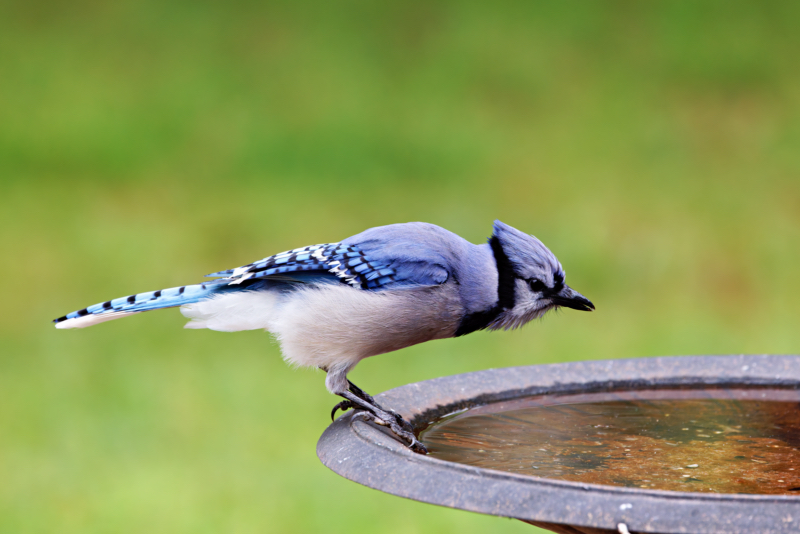
A dependable water supply will quickly transform your yard into a bustling wildlife hub. You will notice that offering water attracts a wider variety of species than seed feeders alone. Many insect-eating birds that ignore traditional feeders will readily visit a shallow pool. Watching how different species interact with the water provides great insight into their daily routines.

Why Clean Water Matters for Avian Health
Water serves two vital purposes for wild birds, which are drinking and bathing. Drinking helps birds regulate their internal body temperature, aids their digestion, and keeps them energized for flight. Clean water ensures they can replace lost fluids without risking exposure to dangerous bacteria or stagnant contaminants.

Bathing is just as critical because it keeps feathers in peak condition for flight and insulation. Mud, dust, and parasites can easily damage delicate feathers, making it harder for birds to fly or stay warm. A quick splash in the pool helps remove this debris so they can preen effectively. For a deeper look at helping your backyard visitors during the toughest months, read my guide on Helping Birds Survive the Hot Summer.

Simple Maintenance Tips for an Avian Oasis
Maintaining a birdbath does not require a lot of time, but consistency is key. You should change the water frequently, especially when the weather turns warm or when many birds visit. Dump out the old water to prevent mosquitoes from breeding and to stop bacteria from spreading. Scrub the surface regularly to remove leaves, droppings, and algae. For more details on protecting local wildlife, check out these helpful birdbath tips to help wild birds.
Choosing the right depth and location will make a massive difference for your backyard guests. A shallow basin that slopes to a maximum depth of three inches is ideal for most songbirds. Place the bath in a shaded area near protective trees or shrubs. This positioning keeps the water cool and gives the birds a quick escape route if predators appear.
Really appreciate this article. Want to provide for the birds without the raccoons spoiling it. Love both of em though